
 rotate(10)'/%3E%3Cpath d='M.038.113v.15l.15.088.15-.088v-.15L.188.025l-.15.088Z' stroke='%23c44900' stroke-width='.0375' transform='rotate(10)'/%3E%3C/svg%3E)
Nancy Aldape Garcia
Received a Doctor of Pharmacy degree from the University of Houston College of Pharmacy
“One of my favorite things about the BMED program was how friendly and accessible the professors were. They continuously checked on the students and encouraged them to further their education. The program coordinators provided guidance, support, and networking opportunities for students. They definitely went out of their way to help their students succeed. The courses I took through the BMED program helped me tremendously as I transitioned to graduate school. The BMED coursework included biochemistry, genetics, neuroscience, immunology, cell and molecular biology, which were all topics covered during my first year of pharmacy school. The BMED courses served as an introduction and overall helped me develop a strong foundation. Additionally, the BMED program instilled in me an interest in research and public health. These are areas that I hope to further explore as I move forward in my career.”
Aaron Carrillo
Currently pursuing a Medical degree at the University of Texas Rio Grande Valley School of Medicine
“The aspect of the BMED program I liked the most was its structure. All courses are designed to be fast paced and exciting. Each module is interesting and filled with important skills we will use in our career. There is a major focus on Team-Based Learning and the application of knowledge to real world scenarios, which fully engages students. Additionally, the rigor of the program contributes to learning material long after you have taken a course. This comes in handy while studying for the Medical College Admission Test or other entrance exams. These attributes line up with the goal of the Department of Biomedical Sciences to prepare students for the next step in their academic/professional career.
“I owe much of my student and personal development to the BMED program and its faculty. Firstly, I have had the honor of mentoring under multiple BMED faculty and taking classes with some of the smartest individuals I have met. Course sizes are relatively small and filled with driven, career-oriented students. Academic research is incorporated into the curriculum, an experience that improves critical thinking and presentation skills. Additionally, the Department of Biomedical Sciences sponsors free professional diagnostic exams and practice exam packages, a resource critical in succeeding on standardized entrance exams. The BMED program gave me these tools I needed to succeed in my undergraduate career and get accepted into medical school. I appreciate all that the BMED department has done to help students like me reach their career goals.”
Natalia Davila
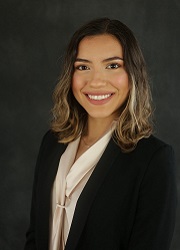
Currently pursuing a Medical degree at the University of Texas Medical Branch School of Medicine
“I started college as a Biology major because of my true passion for the sciences. However, with the large classes it was hard for me to incorporate myself into UTRGV and find mentors or friendships. As a first-generation college student and first in the family to pursue a career in STEM and as a doctor, I entered college with countless doubts and uncertainties of the steps I should take towards my goal. When I decided to switch to BMED, because of the attractive curriculum, my whole experience of college changed. The BMED program has allowed for my academic success by providing me with opportunities such as research, professional development events, accessible professors, mentorship, shadowing/volunteering which have all allowed me to achieve my goal of pursuing a career as a medical doctor.
Yet, my favorite part has been becoming part of the BMED family. As a BMED student the faculty have made me feel genuinely cared for and have believed in my success since day one, even at times where I struggled to believe in it myself. Many faculties served as role models for me and played an essential role in my undergraduate success, such as Dr. Upal Roy who believed in my potential to be a student researcher and provided me with countless project to develop my research skills, Dr. Sue Anne Chew who has always pushed me since the first BFRI class to the many professional opportunities outside of UTRGV and become a competitive applicant, Dr. Hugo Rodriguez who provided me every opportunity needed for medical school, clarified any doubt I had and was of support when I doubted myself, Dr. Maria Castaneda who has always motivated me, supported, cared for me and became an inspiration as a Latina Medical Doctor, and many more faculty.
Further, through BMED I also gained an incomparable student support system. Through my first introductory classes I met one of my best friends that has stuck with me and supported me throughout my career. Being part of the BMED scholars also allowed me to form close relationships with my peers in which we have all helped build each other up. I owe my undergraduate success to the BMED faculty and my peers who have been a support system and been a motivation to me. They are the ones who have given me the tools and confidence to pursue the career of my dreams.”
Miriam de Leon
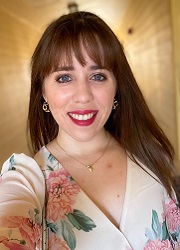
Received a Master’s in Physician Assistant Studies degree from the University of Texas Rio Grande Valley
“What I loved most about the BMED program is the confidence, excitement, and passion one can appreciate both visually and emotionally from all of the faculty members. It is amazing how they devote the same love and support to each individual student no matter the career path each chooses. I have yet to hear about any other program that has the same goals and structure as BMED since I graduated in 2016. BMED created the foundation for my Masters education. It seemed confusing and overwhelming at first, but little did I know their educational approach and learning techniques would pay off significantly. I felt confident and ready to tackle the fast-paced and rigorous training of PA school. BMED's emphasis on professional development and the skills acquired during my time in the program is what has shaped me to be the individual I am today.”
May-Hui Ding
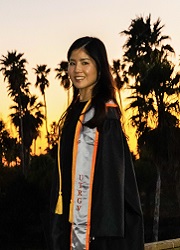
Currently pursuing a Medical degree at Texas Tech University Health Sciences Center Paul L. Foster School of Medicine
“Due to the small size of the BMED program, I was able to gain a personable experience that was both an invaluable launching pad to achieving my academic and career goals as well as a memorable college experience. I am thankful that BMED provided me activities including clinical shadowing, volunteering, and lab research, which not only helped me in exploring what I wanted to do in the future but also were activities that made me a desirable candidate in gaining admission to graduate and professional schools. In addition, the small, close-knit atmosphere of BMED gave me plenty of opportunity to get to know both my classmates and faculty alike on a deep level, making BMED feel like a family.”
Hector Filizola
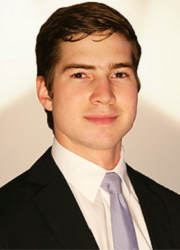
Currently pursuing a Medical degree at UT Southwestern Medical School
“I view the Biomedical Sciences (BMED) program at UTRGV as a family that supported me and provided me with the tools I needed to achieve my professional goals. I am a rising 4th-year medical student that is succeeding at UT Southwestern medical center, and I would not have been here without the support of BMED. The education was incredibly relevant to preparing me to succeed in medical school. The faculty works closely with students to work with their needs and interests to put them in the best position to succeed moving forward. Surrounding myself and working alongside a group of motivated individuals with similar interests and ambitions helped me through adversity and made my time here enjoyable. Looking back, I would not have had it any other way.”
Dr. Rolando Hernandez Trapero
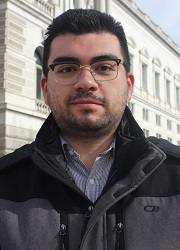
Received a Ph.D. in Biomedical Informatics from the University of Utah
“I liked that the program gave me a solid foundation for further studies and exposure to both research and health professions. Both of these things helped me narrow down my interests and choose the current career path I am on. Also, the BMED faculty taught me in an engaging way and helped us understand challenging concepts. Lastly, BMED professors and staff were eager to help any students who sought more experience and helped us think about our future careers. Exposure to the research setting and profession through BMED helped me realize the real-world application of what I was taught in the classroom. It also showed me what kind of research I was best suited for and what I was most interested in.”
Emily Jordan
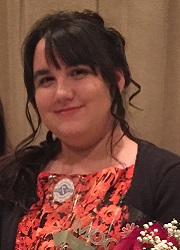
Currently a UTRGV BS in Biomedical Science (BMED) student
“Something that I really appreciated about the BMED program is honestly the smaller cohort size. Also, the specialization of the program means that you’re surrounded by peers who share your goals and work ethic. Since BMED has more stringent acceptance parameters we have smaller classes. This means that I really got the chance to get to know my professors and peers. When I came to UTRGV I knew that the BMED program would be the best choice to help me achieve my future goals. As someone who would colloquially be considered a ‘premed,’ BMED offered not only courses that are helping me prepare for medical school but also associated extracurriculars and programs to help with the process of getting into medical school. The courses present and test content in valuable ways like case studies or team problem solving exercises. There are practice graduate exams built in to help gauge and prepare me for my MCAT. Associated clubs like Tutor for All (T4A), Live to Serve (L2S), and Biomedical Student Association (BSA) also helped me acquire the service recommendations and soft skills required for graduate school.”
David Moreno
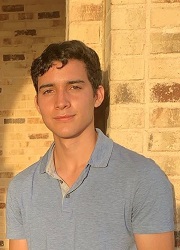
Currently a UTRGV BS in Biomedical Science (BMED) student
“I have really liked how personal the BMED program has been. I have gotten to know my professors at a much more personal level than I would have ever thought possible before I was a BMED student. In comparison to my time as a Biology major, I went from becoming just another student in a class to being known as me by my professor and peers. This allowed me to develop meaningful relationships with my professors and friends that helped me get into the internships I have and develop into the person I am today. The BMED program has, and will continue to, help me as I move toward my career goal by not only helping me be a competitive applicant, but helping me explore different avenues of possibilities I had not considered previously. For instance, the program greatly encourages students to partake in research, something I did not really consider before, and clinical experiences, and by doing so we enhance our CVs and gain experience that can maybe show us what career we want to pursue!”
Samaris Ortega
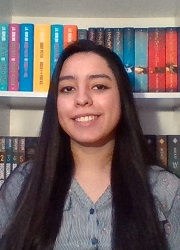
Currently pursuing a Master’s in Physician Assistant Studies degree at the University of Texas Rio Grande Valley
“One of the main things that I like about the BMED program is how students are treated as individuals rather than just a number. Other majors know the number of students they have, but do not often know them on a personal level. In BMED, the faculty and staff are interested in knowing who you are; they want to know your name, your academic goals, and your career goals. It is clear that they really care about their students and want them to succeed. The BMED program has helped me get into a Physician Assistant program because of all the support, resources, and opportunities that they offer. I was able to get shadowing opportunities, standardized exam practice, and great letters of recommendation from faculty and staff that knew me personally. Additionally, I was able to learn a lot about the human body in the BMED program, so I will enter PA school confident that I have a strong foundation in human health.”
Roman Sanchez Martinez
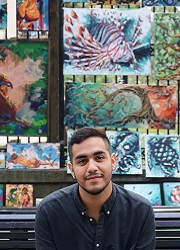
Currently pursuing a MS in Biochemistry and Molecular Biology degree at the University of Texas Rio Grande Valley
“Aside from the challenging and fruitful environment, the BMED program gave me confidence in pursuing the career of my dreams. The faculty and staff made sure you felt comfortable and were there every step of the way in all aspects of the program. Throughout my entire BMED journey I was never left alone and that is something I appreciate to this day. The small classes allowed us to have better interactive lectures which made it easier for learning and exploring new topics in medicine. Overall, I am extremely grateful to be given the opportunity to be part of such a remarkable program that has helped me become the student, professional, and person I am today.
Currently I am pursuing a Masters in Biochemistry and Molecular Biology at UTRGV with the hopes of later applying for an MD/PhD program to become the physician-researcher I’ve always dreamt of becoming. The BMED program has provided me with extensive knowledge that I apply in my current field and knowing that what I learned in textbooks and materials seen in BMED courses has continued to help me in graduate school is valuable. Through experiential learning opportunities within the BMED program I learned a lot of skills that are so useful and that have gotten me one step closer to my future career. Learning how to study was always very hard for me, but the professors made sure to guide you on how to apply what you learned in class to exams or other important tasks, and that is something that helped me build confidence in my studies.”
Dr. Ramiro Tovar
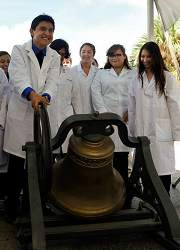
Received a Medical degree from the University of Texas Rio Grande Valley School of Medicine
“My name is Ramiro Tovar III. I graduated as part of the first BMED cohort and eventually became part of the first class of the UTRGV School of Medicine, from which I graduated in 2020 with my medical degree. I am currently a resident doctor at the DHR family medicine program. Classes were organized based on the UTSAHSC medical school model which made the transition to medical school much more tolerable. Expectations placed upon us were high. It was not enough to merely scrape by, but we were pushed to reach the limits of our own potential which is crucial for anyone who seeks to thrive in a competitive environment like the medical field. Something I truly enjoyed and valued about the BMED program was how focused on applicable medical aspects our classes were. We had experience in basic sciences but were cognizant of how useful it was to us in our future careers for real life applications. The professors were experts in their fields and made sure we learned the basic material we had to cover but went even further to make sure we developed crucial critical thinking and reasoning skills.”
Daniela Vidal
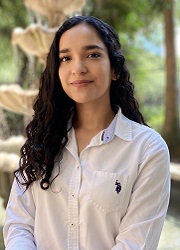
Currently pursuing a Ph.D. in Molecular Microbiology and Microbial Pathogenesis degree at Washington University in St. Louis
“What I liked the most about the BMED Program was the support and close relationships I developed with my professors and peers. Joining a small and unique program such as BMED where your professors become your mentors is an extremely helpful experience as an undergraduate student. Additionally, in the BMED program there are a wide range of opportunities that are available to students inside and outside the classroom. Whether you are looking to get exposure to basic science research projects, shadowing opportunities in the medical field, or participate in community service activities, as long as you ask advice from your professors, they will help you get whatever experience you are trying to obtain. Lastly, the BMED curriculum is designed to give the student exposure to diverse fields in science and medicine, which to me helped me get a clearer picture about what it is that I would like to pursue after graduating. I say that I would not be where I am today without the support and guidance I received from my mentors while I was a BMED student.”
Paola Vidal
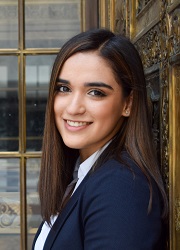
Currently pursuing a Master’s in Public Health degree at the University of Texas Health Science Center Brownsville
“The sense of community was one of the things that I liked the most about the BMED program. I was able to find very good mentors and counselors that helped and guided me through my undergraduate career. This program provided me with the information and tools that I will be using in my future career, but most importantly, it facilitated opportunities such as research experience, internships, volunteer opportunities and professional exam practices that would have been difficult to find by myself.”
Celeste Martinez
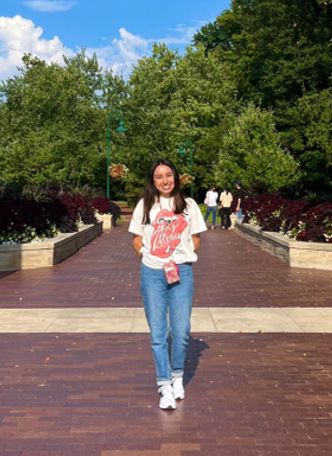
B2BMED C2 Trainee: Celeste Martinez
Program: IU-MSI STEM Initiative, Indiana University Bloomington
Research Project: Sex Differences in Plasma Levels of Endocannabinoids and Related Lipids Before and After mTBI Testimony
“This summer I had the opportunity to do research at Indiana University under the guidance of Dr. Heather Bradshaw and laboratory members. My project focused on examining potential lipid biomarkers present in the blood of rats with mild traumatic brain injury (mTBI) using lipidomic mass spectrometry to determine if there is an overlap with the lipids regulated in the CNS. Each day brought forth new challenges, which greatly helped me expand my analytical and problem-solving skills. Additionally, I enjoyed asking questions about the research to my mentor or lab members because it often sparked engaging discussions that provided more valuable insight about my project. Networking and meeting new people with similar goals and passions inspired me, helped create a sense of community, and presented the chance to make new friends. I am very thankful for this summer internship since it deepened my passion for research and provided the opportunity to develop new laboratory techniques and a new research perspective.”
Natasha Garcia-Rodriguez
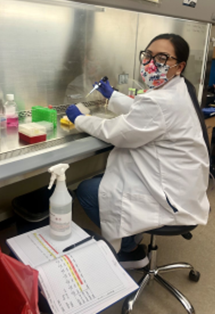
B2BMED C1 Trainee: Natasha Garcia-Rodriguez
Program: The University of Texas System Louis Stokes Alliance for Minority Participation (LSAMP), UTRGV Campus
Research Project: The Combination of Temozolomide and Minocycline for the Treatment of Glioblastoma
“This past summer I was able to intern in Dr. Chew’s lab. I learned so much this summer, and I am very thankful to Marco Arriaga and Dr. Chew for allowing me to learn from them. I was able to contribute to a manuscript, specifically working on the introduction about alginate scaffold for the delivery of drugs in the treatment of glioblastoma. I was able to contribute to a few projects, specifically a combination study which used a chemotherapy drug, temozolomide, and an antibiotic, minocycline, to treat glioblastoma. In addition, I was also able to learn more about the conjugation of microparticles with antibodies to better treat gliomas. I am truly grateful for all I have learned, and for the valuable skills that will benefit me in my future endeavors as a scientist and researcher.”
Karina Cantu
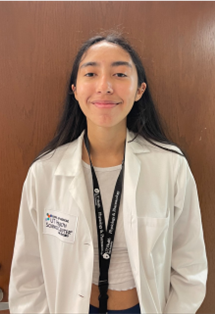
B2BMED C1 Trainee: Karina Cantu
Program: Summer Physiology Undergraduate Researcher (SPUR) program, UT Health San Antonio
Research Project: Understanding A-Synucleinopathies Using a Drosophila Model System
“My project is focused on understanding a-synucleinopathies using a drosophila model system. Synucleinopathies are a group of neurodegenerative disorders that have a common pathologic lesion called a-Synuclein that forms in aggregates in patients’ brains. a-Synuclein is a neuronal protein that is abundant in the brain but is seen more in patients with neurodegenerative diseases. Very little research has been done on a-Synuclein, so our focus is trying to understand this pathologic lesion and find future therapeutic agents for a-synucleinopathies. For this we are using Drosophila melanogaster, commonly known as a fruit fly, as a model system.”
Megan Zamora
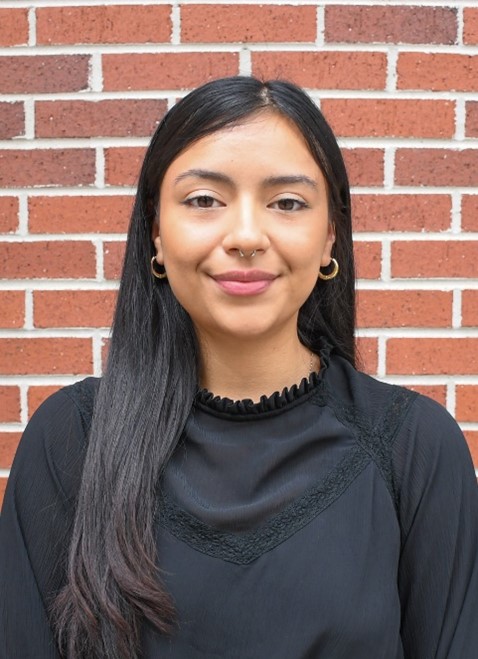
B2BMED C1 Trainee: Megan Zamora
Program: MUSC 2022 Summer Undergraduate Research Program, Medical University of South Carolina
Research Project: Adoptive Transfer Effects on Cardiac Fibrosis
“Cardiovascular Disease is the most common cause of death in the United States. Ischemic injury stimulates an immune response creating a fibrotic scar which is often non-contractile and alters cardiac function. CD8 T cells have most recently been identified as adverse regulators of the post myocardial infarction (MI) wound healing process. A better understanding of the post MI events is needed to better aid and regulate the healing process after cardiac injury in order to limit progression to heart failure. In this study, we aimed to dissect the temporal effects of CD8+ T cells on left ventricular (LV) remodeling. MI was induced on C57BL/6J wild type (WT;4.6±0.1 months of age; n≥3/sex/post MI day) or CD8atm1mak (CD8-/-4.9±0.1 months of age; n≥3/sex/post MI day) mice by permanent ligation of the left anterior descending coronary artery. A subset of CD8-/- mice received either vehicle or naïve splenic CD8+ T-cells by tail vein 4 hours after MI. In conclusion, our data indicates that CD8+ T-cells are regulating cardiac healing by altering the scar biomechanics. This leads to an increase in LV dilation and worse cardiac function.”
Viviana Villalobos
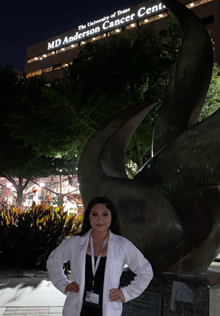
B2BMED C1 Trainee: Viviana Villalobos
Program: UTRGV Summer Undergraduate Cancer Research Internship, MD Anderson Cancer Center
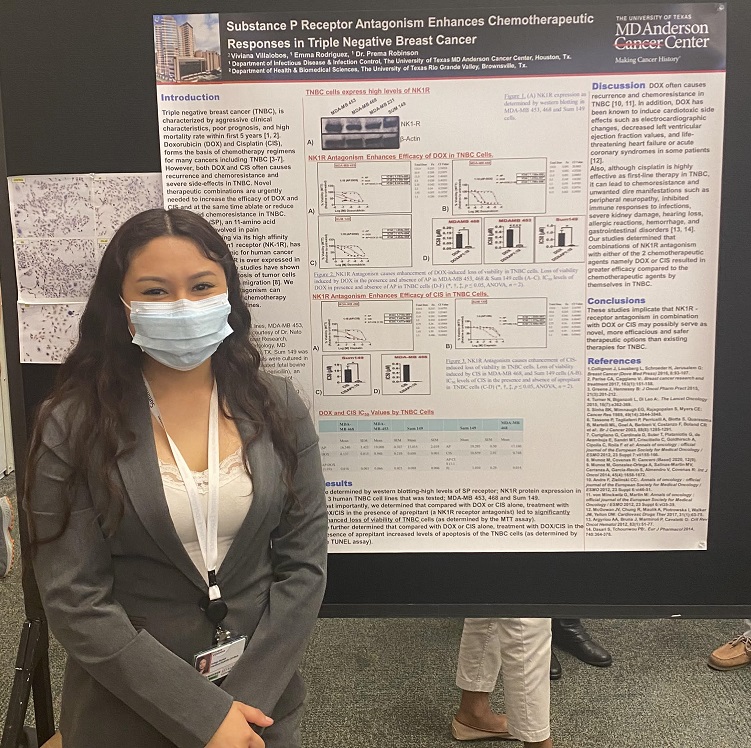
Research Project: Substance P Receptor Antagonism Enhances Chemotherapeutic Responses in Triple Negative Breast Cancer
“Being a part of the most prestigious cancer center in the nation has been the epitome of my research career. MD Anderson is everything an esteemed institute should be, and my PI is the perfect representation of their merit. Being directed by the leadership of Dr. Prema Robinson has given me insight on the true meaning and responsibility of being a renowned researcher in the field. She has an aptitude for research that is captivated and reflected in those who have the opportunity to work beside her. It was through her mentorship that I was able to reignite the flame of passion that I had for research. Dr. David J. Tweardy has a prestigious team that is devoted to eradicating cancer through the development of new and innovative ideas. Having been given the opportunity to be a part of this team and embody their goals has been the most memorable experience I have had in my undergraduate career.”
Daniela Aileen
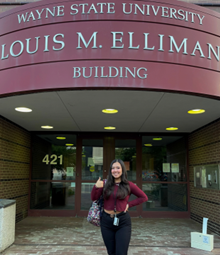
B2BMED C1 Trainee: Daniela Aileen
Program: Summer Undergraduate Research Program (SURP), Wayne State University School of Medicine Center for Molecular Medicine & Genetics
Research Project: Effects of Baclofen and CGP-35348 on Central GABA Pain Receptors and Characterization of Anxiety-Like Behaviors in Mouse Model of Multiple Sclerosis
“Over the summer, I got the opportunity to intern in Dr. Alexander Gow’s Lab in the Center for Molecular Medicine and Genetics at Wayne State University School of Medicine in Detroit, Michigan. One area of Dr. Gow’s Research Laboratory focuses on dysfunctional myelin in the central nervous system which is caused by an absence of the oligodendrocyte-specific protein (OSP), Claudin 11. Using a mouse model that lacks the expression of the Claudin 11 gene and pain medications that are known to target GABA pain receptors in the CNS, I will be conducting behavioral studies to analyze pain threshold and anxiety-like behaviors. The data collected from this study will contribute to further understanding abnormal behavior and neurodegenerative diseases.”
Elias Martinez
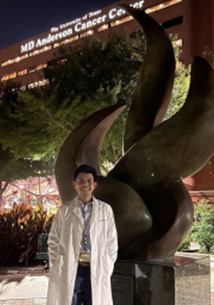
B2BMED C1 Trainee: Elias Martinez
Program: UTRGV Summer Undergraduate Cancer Research Internship, MD Anderson Cancer Center
Research Project: Generating Artificial Antigen Presenting Cells for Adaptive T-Cell Therapy
“The MD Anderson summer research program has deeply marked my academic and career path as it has given me an invaluable and incredible experience. During my time at the MD Anderson summer research program, I learned more than I could imagine. This knowledge and the skills acquired are things that complemented and enhanced my education received at The University of Texas Rio Grande Valley and the B2BMED program. This research internship has introduced me to an environment that is both exciting and challenging, and one that will undeniably broaden my future opportunities in the field of research. Being able to work under Dr. Kumar and his team has been one of the greatest opportunities of my life. His lab specializes in lymphoma and myeloma, and being able to contribute to such important health issues that affect millions of people has given me the confidence and skills necessary to pursue a career in research. Coming into a new city and a new lab can be a fearful situation, but having lab-mates and amazing professors that are passionate about their research will help any student that is interested in a research career. I am grateful because I got to be part of this program and for the wonderful people that I met.”
Student Awards and Recognition
- B2BMED Cohort 1 scholar Karina Cantu received a $5,000 research stipend to conduct research in the data science field with Purdue University through the National Data Mine Network program funded by the National Science Foundation.
- B2BMED Cohort 1 scholar Natasha Garcia-Rodriguez received the 2022 Marion B. Sewer Distinguished Scholarship for Undergraduates ($2,000) from the American Society for Biochemistry and Molecular Biology (ASBMB).
- Natasha Garcia-Rodriguez also received a Presentation Award ($350) for her poster presentation titled Effects of Salvia Hispanica on Bone Metabolic Pathways in Mouse Osteoblastic Cells – a miRNA Analysis at the 2021 Great Minds in STEM (GMiS) annual conference on October 25, 2021.
2023 Engaged Scholar Symposium (ES2) Awards
- Distinguished Scholars Award
Category: Life & Health Science Oral Presentations
Student: Megan Zamora
Title: Acute Salivary Hormonal Responses to Resistance Training Exercises with and Without Blood Flow Restriction - Distinguished Sustainability Scholar
Category: Health Sciences
Student: Rama Shaath
Title: Influence of Constraint-Induced Movement Therapy on Corticospinal Tract and White Matter Integrity in Subjects with Chronic Stroke Rising - Rising Scholars Award
Category: Life & Health Science Poster Presentations
Student: Rama Shaath
Title: Influence of Constraint-Induced Movement Therapy on Corticospinal Tract and White Matter Integrity in Subjects with Chronic Stroke
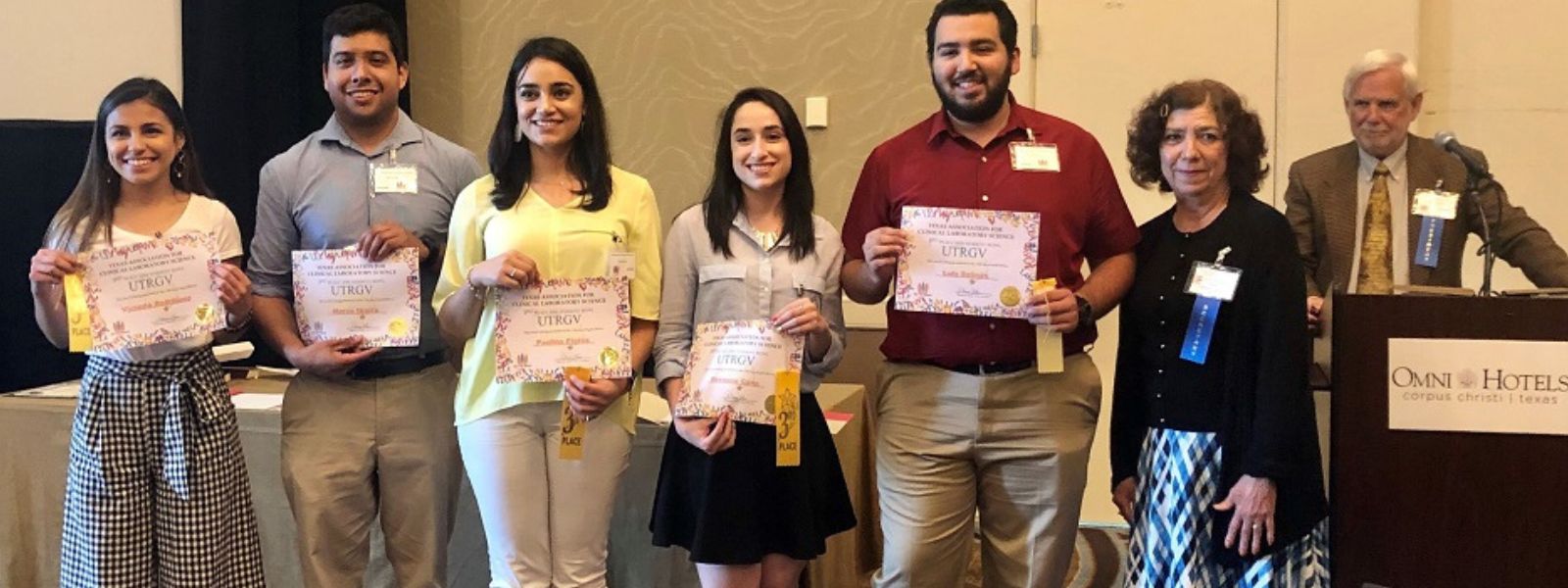
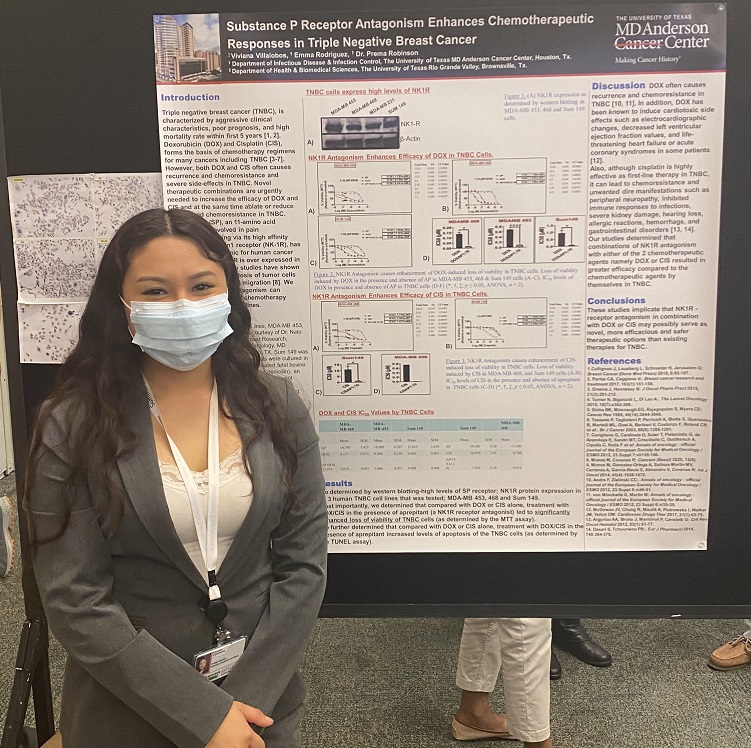
Congratulations to B2BMED Cohort 1 scholar Viviana Villalobos on placing first at the UT MD Anderson Summer Undergraduate Research Program Poster Competition for her presentation titled Substance P Receptor Antagonism Enhances Chemotherapeutic Responses in Triple Negative Breast Cancer.
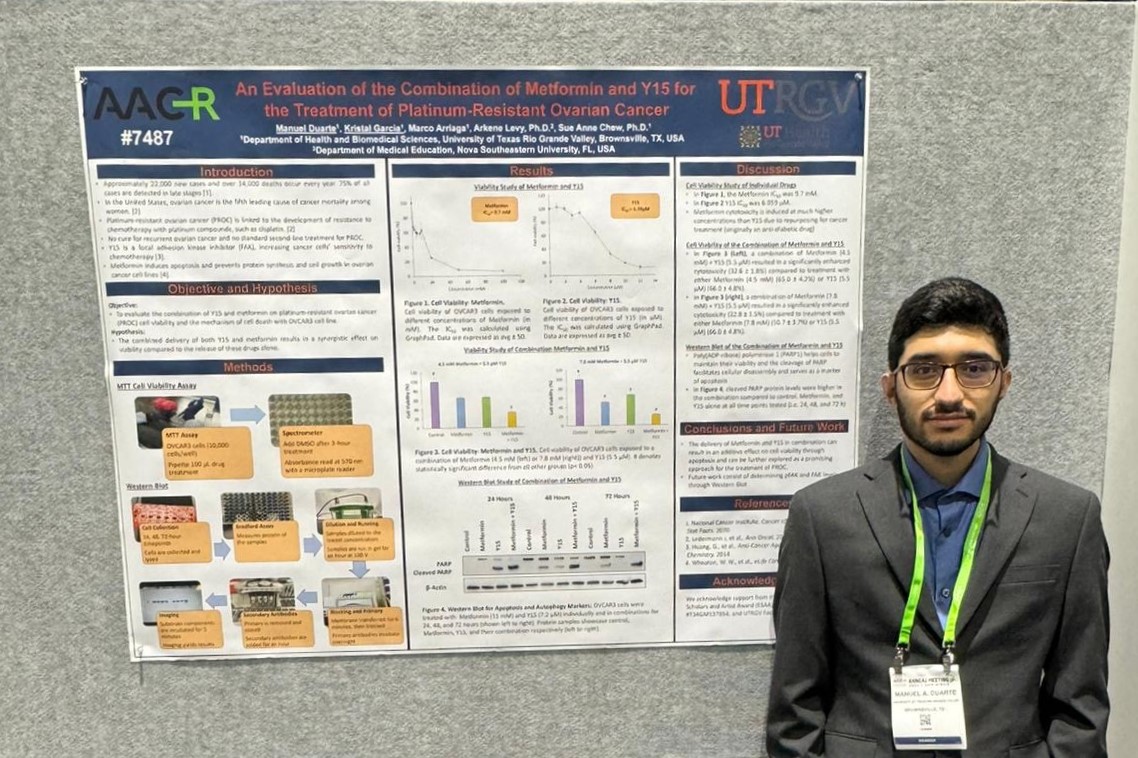
Congratulations to B2BMED Cohort 3 scholar Manuel Duarte on placing second in the Undergraduate Poster Presentation Competition for his presentation titled An Evaluation of the Combination of Metformin and Y15 for the Treatment of Platinum-Resistant Ovarian Cancer at the UTRGV College of Health Professions Health Forward Conference.
Congratulations to B2BMED scholars:
- Natasha Garcia-Rodriguez (Cohort 1)
- Viviana Villalobos (Cohort 1)
for receiving the SACNAS travel award to the 2022 NDiSTEM Conference in San Juan, Puerto Rico.
Congratulations to B2BMED scholars:
- Natasha Garcia-Rodriguez
- Viviana Villalobos
- Megan Zamora
- Larissa Barroso (Cohort 2)
- Angelica Reyes (Cohort 2)
- Stella Rios (Cohort 2)
- Rama Shaath (Cohort 2)
for receiving the Engaged Scholar Award for their continued research.
Student Highlights
Melanie Mendoza
Congratulations to Biomedical student Melanie Mendoza!
Ms. Mendoza completed GET PHIT’s online Summer 2022 Bootcamp and was awarded a Certificate of Excellence for her final project work by the UT Health Houston GET PHIT faculty.
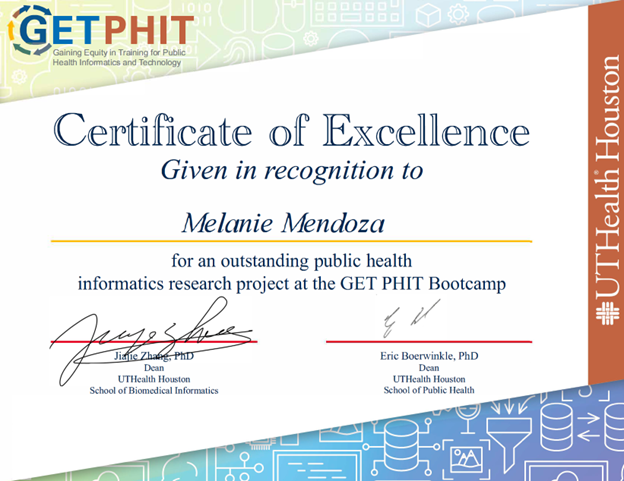
Ms. Mendoza’s project was completed in collaboration with Ms. Andrea Salcedo from the University of Texas at El Paso. Using a Texas Department of State Health Services dataset, they explored whether uninsured hospitalized Hispanic female patients with a primary diagnosis of diabetes experienced longer hospital stays compared to insured patients.
The project was ranked first based on the quality of the presenters’ knowledge, research question, methods, results, discussion, and overall presentation.
The 8-week GET PHIT Online Bootcamp includes:
- 4 weeks of lectures and activities on public health informatics, data standards, analytics, epidemiology, surveillance, and equity in data use
- 4 weeks of a group research project under faculty mentorship
We are very proud of Melanie’s achievement.
Karina Cantu
Congratulations to BMED student Karina Cantu for receiving a $5,000 research stipend to conduct research in data science with Purdue University through the National Data Mine Network program, funded by the National Science Foundation.
Viviana Villalobos
Congratulations to BMED student Viviana Villalobos on placing first at the UT MD Anderson Summer Undergraduate Research Program Poster Competition for her presentation titled “Substance P Receptor Antagonism Enhances Chemotherapeutic Responses in Triple Negative Breast Cancer.”
Eloy Lozoya: Journey to Medical School
“The reason I got into medicine was because I feel that it is a profession I can wake up to every day and know that I'm going to effect change, every single day.”
Eloy Lozoya, from Brownsville, graduated with a bachelor’s degree in biomedical sciences and is part of the Joint Admission Medical Program (JAMP), a partnership between nine UT System medical schools that supports a transition from undergraduate study to medical school.
He will attend the UT Health McGovern School of Medicine in Houston.
May 11, 2022 — By Victoria Brito Morales
For Brownsville native Eloy Lozoya, simple curiosity led him to a path he never imagined. Now, he has completed his undergraduate degree and is preparing for the next step in his medical career.