
 rotate(10)'/%3E%3Cpath d='M.038.113v.15l.15.088.15-.088v-.15L.188.025l-.15.088Z' stroke='%23c44900' stroke-width='.0375' transform='rotate(10)'/%3E%3C/svg%3E)
Enjoy finding answers to questions?
Ever wonder what it is like to be a scientist?
Enjoy discovering new things?
Interested in the opportunity to contribute to scientific knowledge?
If you answered “Yes,” BFRI might be right for you!
What is BFRI?
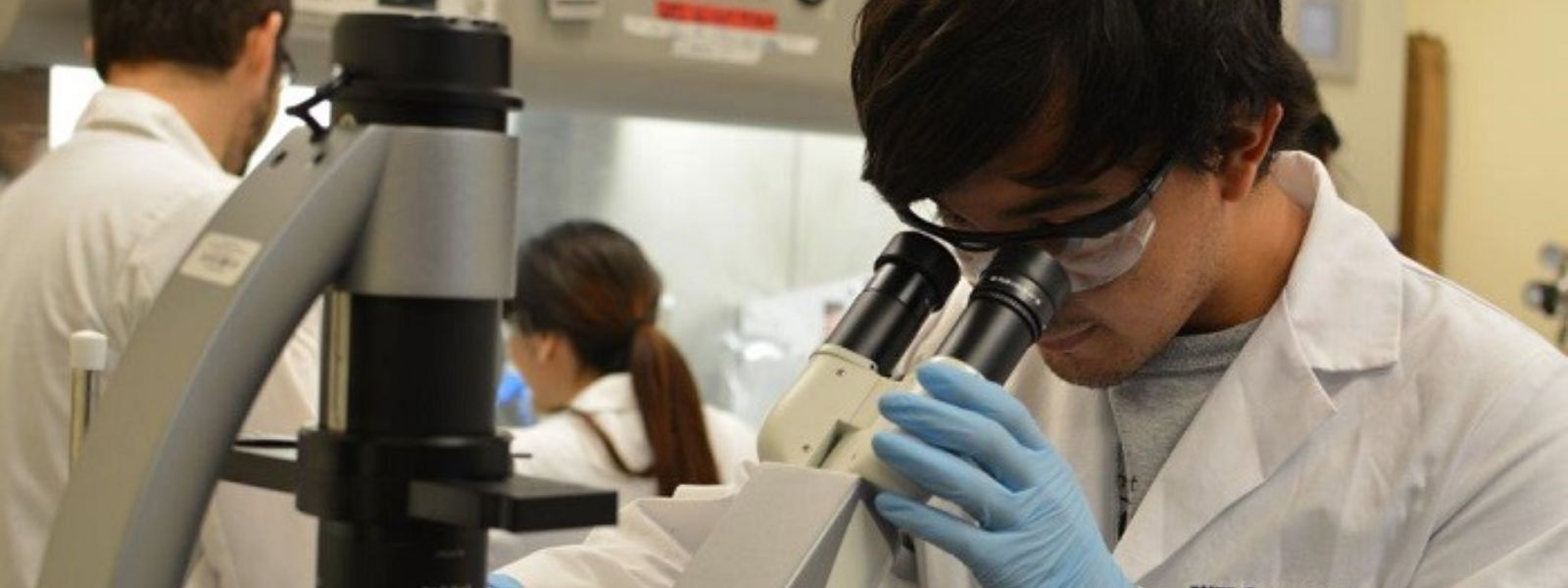
Biomedical Freshman Research Initiative (BFRI) is an undergraduate research initiative program that is opened to students in the Biomedical Science (BMED) Bachelor’s program. By taking the BFRI track, you will have the opportunity to be exposed to and engage in research beginning as a first-year BMED student. You will have the opportunity to:
- learn through inquiry-based learning
- learn how to design and execute a research project
- obtain laboratory technique training
- work on a scientific research project
- while getting credit for BMED courses
Why Join BFRI?
- Develop critical thinking skills
- Develop better study habits including team-work
- Obtain hands on application based training: increases knowledge and passion for learning
- Serves as preparation for future research opportunity in a research lab
- May co-author scientific publications
- Better preparation for medical or graduate school and a career as a physician, scientist or physician-scientist
- Strengthen chances of getting accepted to medical or graduate schools
- Become aware of alternative careers
- Have the opportunity to determine if a career in research is suitable for you
Course Progression
- Freshman Fall: Research Methods
BMED Course Credit: Independent Research I (BMED 3121)
Credit Hours: 1 - Freshman Spring: Research Techniques
BMED Course Credit: Independent Research II (BMED 3122)
Credit Hours: 1 - Sophomore Fall: Research Experience I
BMED Course Credit: Experiential Learning I (BMED 3223)
Credit Hours: 1 - Sophomore Spring: Research Experience II
BMED Course Credit: Experiential Learning II (BMED 3224)
Credit Hours: 1
Students are sorted into research streams for Research Experience courses in their second year.
Research Methods
BFRI begins in the first semester of your freshman year, during the Freshman Fall semester, when you will take a Research Methods course. This course consists of classroom lectures and activities designed to teach the scientific process and different aspects of research, such as:
- Scientific literature review
- Formulation of a hypothesis
- Experimental design
- Data acquisition and analysis
- Dissemination of findings
You will be taught through inquiry-based learning, and a large component of the course is the design and execution of three inquiry-based experiments throughout the semester. These may be completed individually or in a group.
Included in these inquiries are a written proposal, a written report, and an oral presentation of your findings. During this first semester of BFRI, you will also be taught basic lab techniques and allowed to use the student laboratory for your inquiry experiments.
Research Techniques
During the second semester of BFRI, in the Freshman Spring semester, you will be enrolled in a Research Techniques course. In this course, you will be trained to perform laboratory techniques that you may apply in biomedical science research, such as:
- PCR and gel electrophoresis
- Immunoblotting
- Aseptic cell culture techniques
You will learn how these techniques can be applied in research to obtain answers to different questions. In addition to learning hands-on techniques, you will also be trained to keep a complete lab notebook and prepare written lab reports.
Research Experience I
In the third semester of BFRI, during the Sophomore Fall semester, you will be divided into research streams in a Research Experience I course. The research streams will be overseen by a faculty member, referred to as the stream faculty mentor, from the Department of Health and Biomedical Sciences or other departments, and the course will be run by a BFRI instructor.
The streams will be based on the research field connected to the faculty member’s research interests and expertise. In the stream, you will conduct independent but parallel research projects that have the potential to lead to publishable work.
In this course, depending on your stream, you will:
- Learn the background of your research project through scientific literature review
- Be trained in the techniques required for your project
- Prepare a written and/or oral proposal for your project
- Perform the experiments required for your project
- Prepare a written and/or oral report on your findings
Depending on the stream you are in, you may apply techniques learned in the second semester of BFRI, in the Research Techniques course, and you may also be trained in new techniques.
You will be trained to develop problem-solving and critical-thinking skills as you make progress in your project, which may be done individually or as a group, depending on the stream.
Research Experience II
In the fourth semester of BFRI, during the Sophomore Spring semester, you will continue in the same research stream and will be enrolled in a Research Experience II course.
You will continue to expand on your project, applying techniques that you have already learned previously or new techniques that you will be trained in during this semester.
In this course, you will be expected to demonstrate a higher degree of independence and responsibility and will require less supervision.
Beyond BFRI
After completing the four semesters of BFRI, based on your interest and/or the recommendation of BFRI mentors and instructors, you may apply to continue research in a faculty laboratory.
You may also approach faculty to join their laboratory before completing the four BFRI courses.
Difference Between the BMED Course Sequence for BFRI and Non-BFRI Students
All BMED students are required to take BMED 3121, 3122, 3123, and 3124 for their degree. However, depending on whether you are a BFRI or Non-BFRI student, you will take these four courses at different points in your BMED degree.
BFRI Students
- BMED 3121: Freshman Fall semester
- BMED 3122: Freshman Spring semester
- BMED 3123: Sophomore Fall semester
- BMED 3124: Sophomore Spring semester
Non-BFRI Students
- BMED 3121: Sophomore Fall semester
- BMED 3122: Sophomore Spring semester
- BMED 3123: Junior Fall semester
- BMED 3124: Junior Spring semester
Research Streams
Static Magnetic Field effect over E coli infection in HeLa cells
Research Stream Instructor: Maria Alejandra Quinones Pena
The students conducted research to determine the HeLa cell effect after E coli infection in presence of the static magnetic field.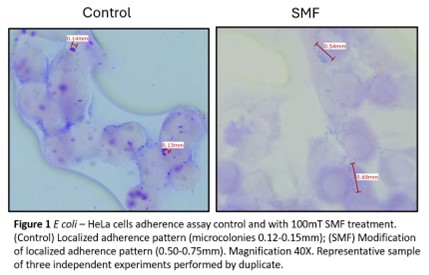
This enables them to begin exploring the microbiome -The microbiome is a collection of all microorganisms that live in the human body- The central challenge in microbiome studies is discovering how specific microbial communities actively influence host health.1 Microbiome studies are very broad and range from identifying and describing the communities of microorganisms present to the details of their interactions. Previous findings suggest that magnetic fields reduce bacterial aggregation, thus diminishing their ability to adhere to and interact with the host,2 but nothing was tested in the host. However, no one has yet determined whether magnetic fields modify the microbiota and, if so, whether this modification could be beneficial to health.
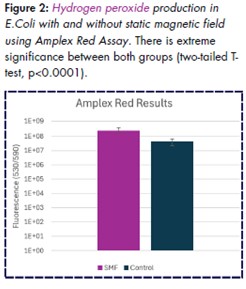 |
Students will learn basic research techniques and apply the techniques acquired at BFRI, seeking to identify the effects of this phenomenon—ranging from modifications in gene expression to phenotypic changes. Some of these techniques include adhesion assays, reactive oxygen species assays, fluorescence microscopy, and protein and gene expression analysis. |
1 Berg, G., Rybakova, D., Fischer, D. et al. Microbiome definition re-visited: old concepts and new challenges. Microbiome 8, 103 (2020). https://doi.org/10.1186/s40168-020-00875-0
2 Quiñones-Peña MA, Tavizon G, Puente JL, Martínez-Anaya C, Hernández-Chiñas U, Eslava CA. Effects of static magnetic fields on the enteropathogenic Escherichia coli. Bioelectromagnetics. 2017 Oct;38(7):570-578. https://doi.org/10.1002/bem.22077
Determining the Importance of the Role of Stress Management in Improving Health Outcomes
Research Stream Mentor/ PI: Dr. Saraswathy Nair
Research Stream Instructor: Dr. Hongxing Lu
Chronic psychological stress is an important factor influencing both metabolic health and health-related behaviors. Prolonged exposure to stress hormones, particularly cortisol, can reduce the activity of key insulin signaling pathways in skeletal muscle cells, leading to impaired glucose uptake and contributing to insulin resistance, excess weight gain, and an increased risk of type 2 diabetes. In addition to these direct physiological effects, chronic stress may also negatively affect dietary habits and physical activity, which are critical determinants of overall health.
Hispanic college students may be especially vulnerable to these effects. Previous studies suggest that Hispanic students experience higher levels of chronic psychological stress than non-Hispanic White students, placing them at greater risk for overweight, impaired glucose metabolism, insulin resistance, and diabetes. Despite these concerns, little is known about how psychological stress changes over the course of a college semester in this population or how those changes may relate to metabolic health and lifestyle behaviors.
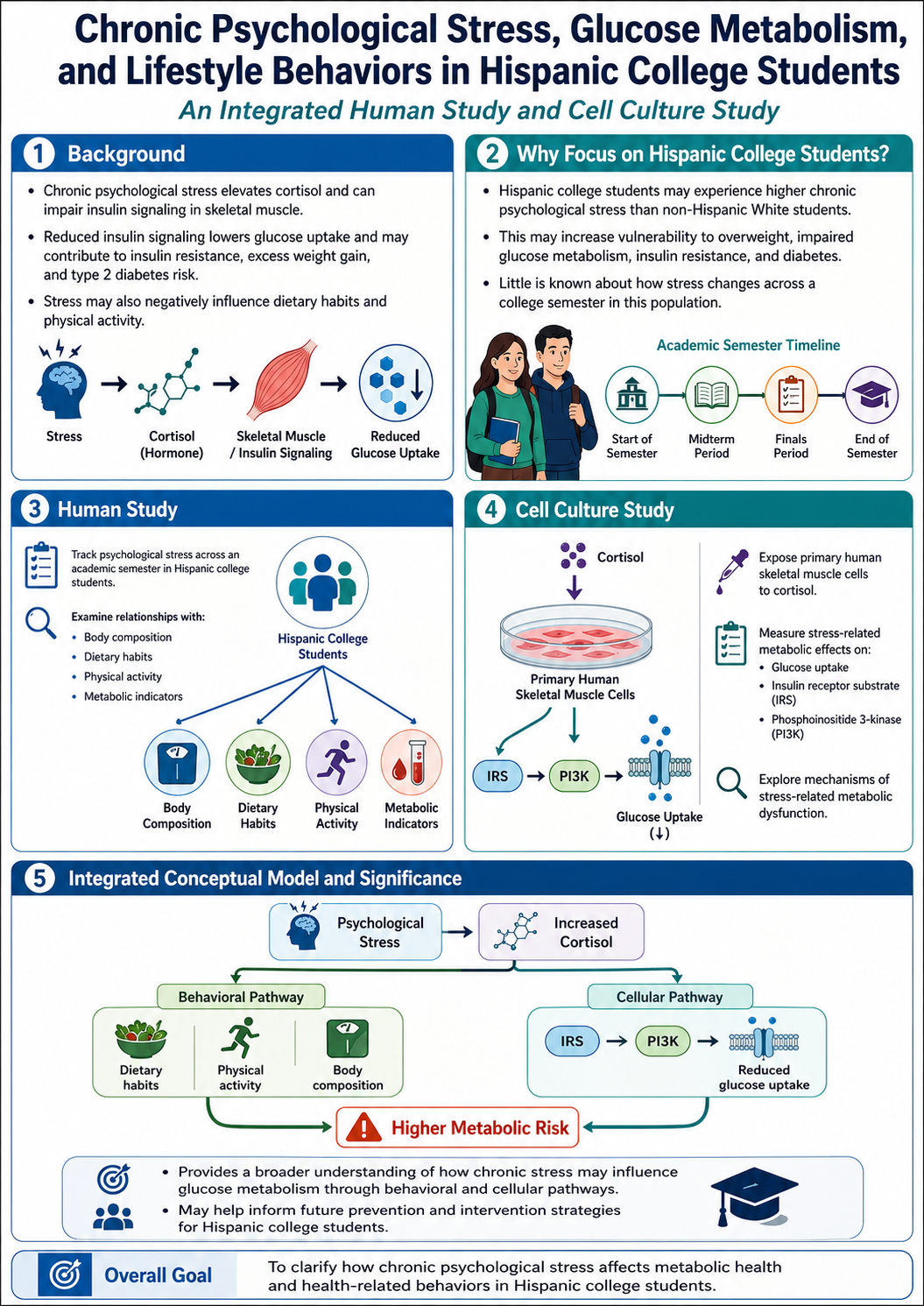
This project is designed to address these gaps through both a human study and a cell culture study. The human study will examine the progression of psychological stress during an academic semester in Hispanic college students and investigate its relationship with body composition, dietary habits, physical activity, and metabolic indicators. The cell culture study will explore the biological mechanisms underlying stress-related metabolic dysfunction by examining how cortisol exposure affects glucose uptake and the expression of key insulin signaling molecules, including insulin receptor substrate (IRS) and phosphoinositide 3-kinase (PI3K), in primary human skeletal muscle cells.
Together, these two components will provide a broader understanding of how chronic psychological stress may influence glucose metabolism through both behavioral and cellular pathways. Findings from this project may help clarify the role of stress in the development of metabolic disorders in Hispanic college students and support future strategies for prevention and intervention.
Biomedical Freshman Research Initiative (BFRI)
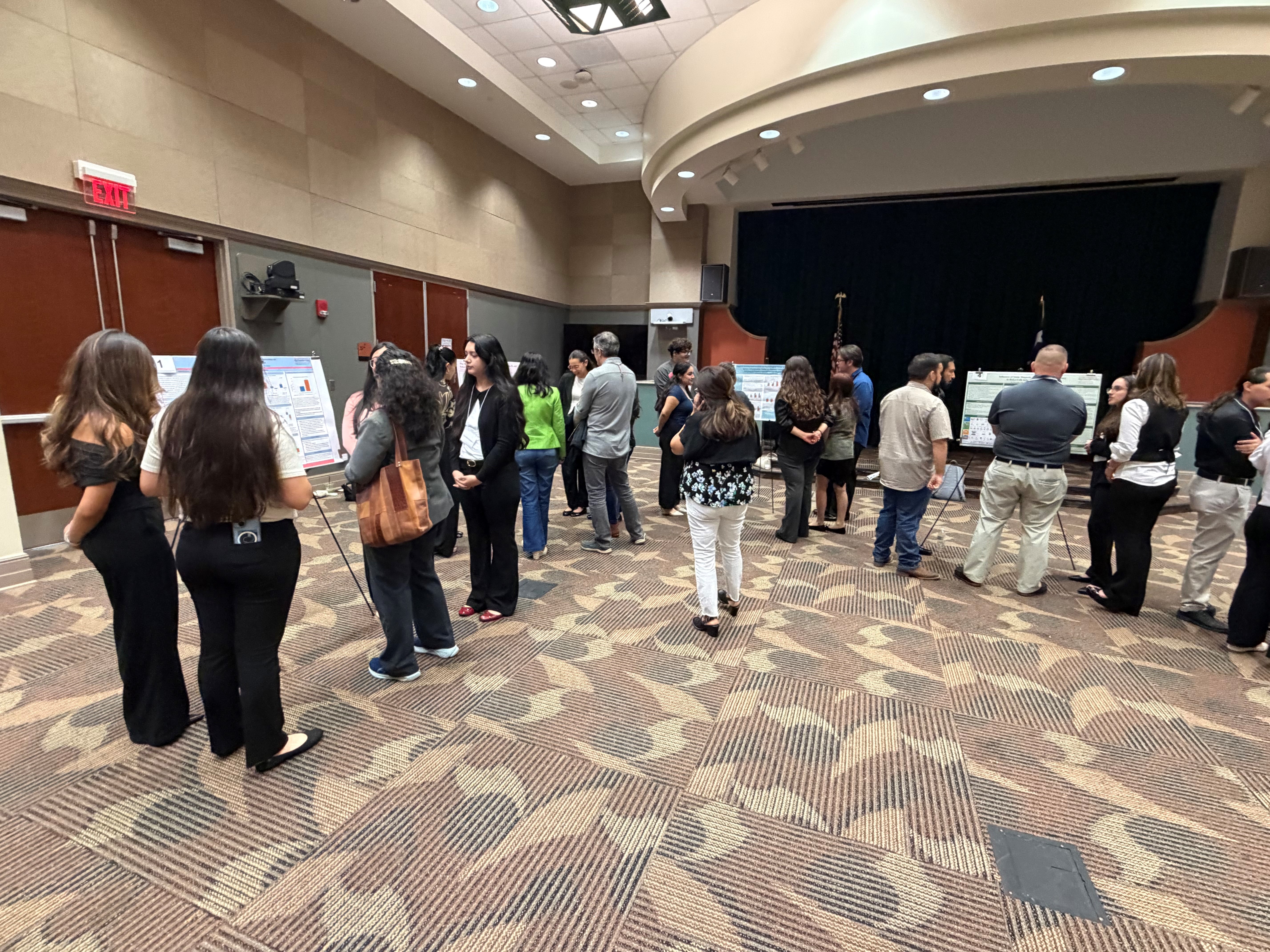
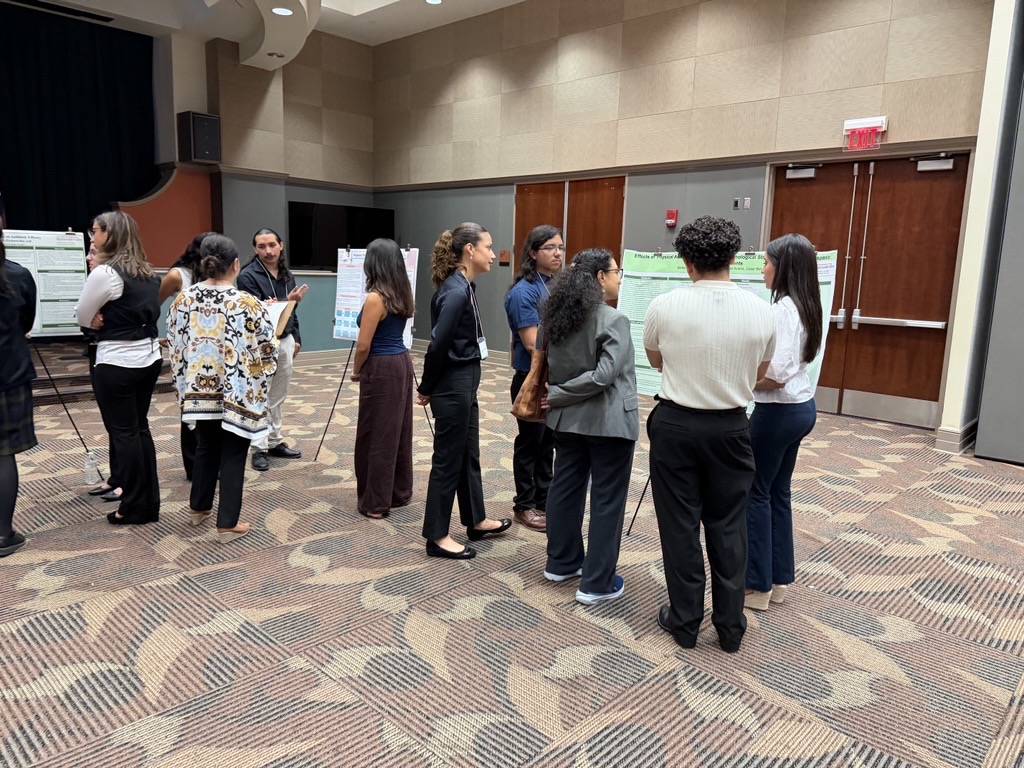
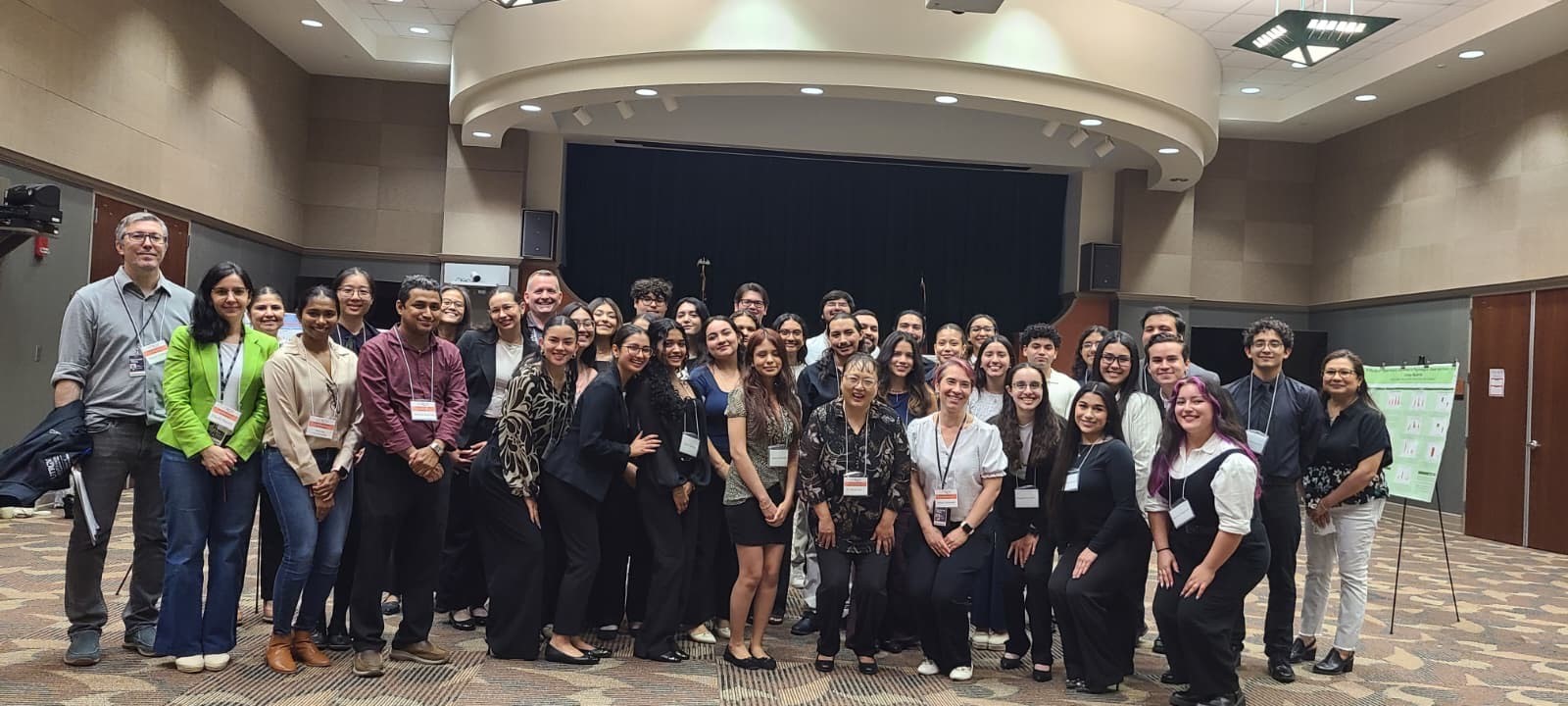
Annual Research Symposium
Biomedical Freshman Research Initiative (BFRI)
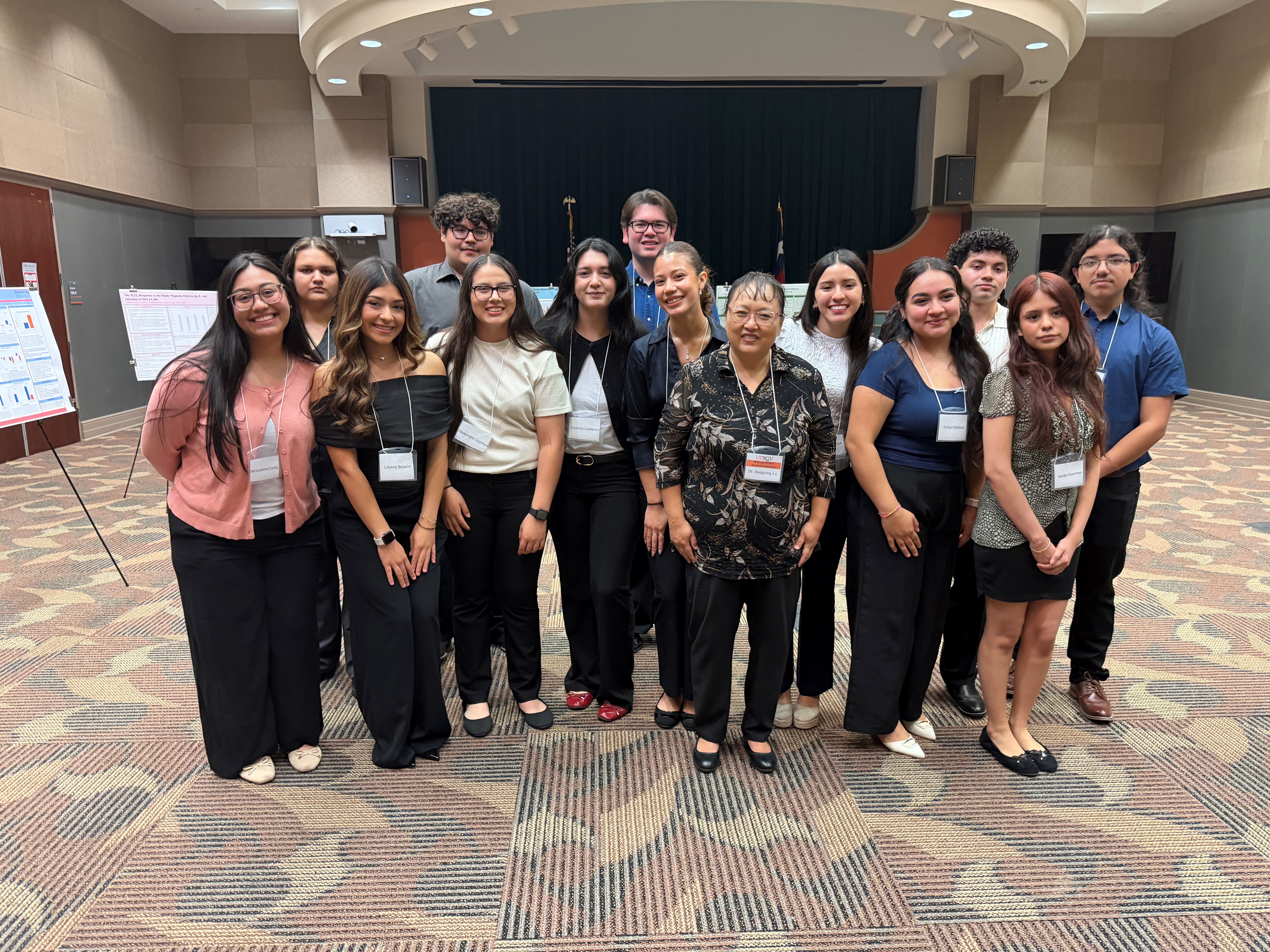
Dr. Hongxing Lu Research Stream
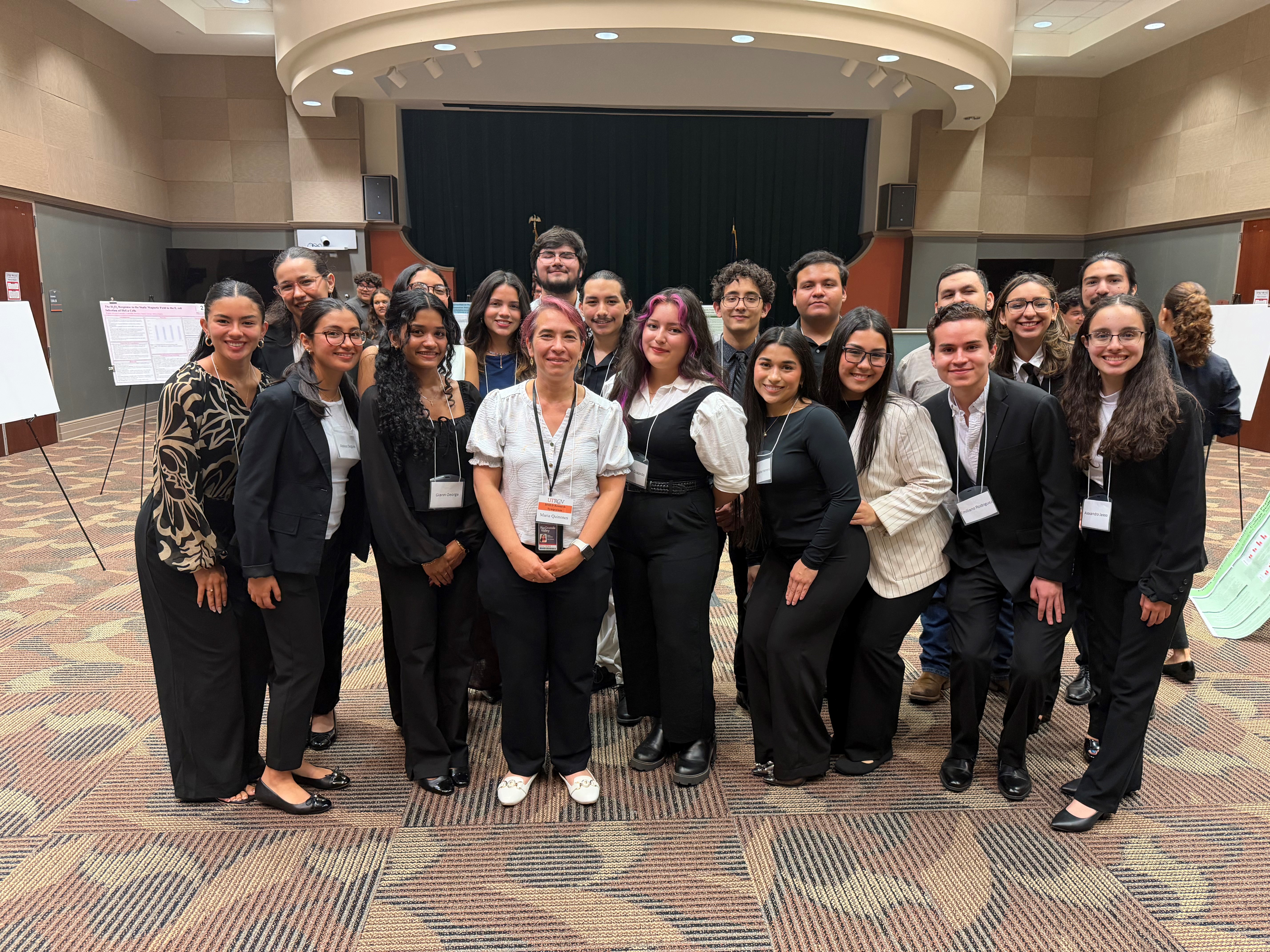
Biomedical Freshman Research Initiative (BFRI)
Dr. Maria Quinones Research Stream