


 rotate(10)'/%3E%3Cpath d='M.038.113v.15l.15.088.15-.088v-.15L.188.025l-.15.088Z' stroke='%23c44900' stroke-width='.0375' transform='rotate(10)'/%3E%3C/svg%3E)
Mission
Academic Programs
Bachelor's
Bachelor's Degree
Biology (BS)
Bachelor of Science in Biology
Program Modality: Campus
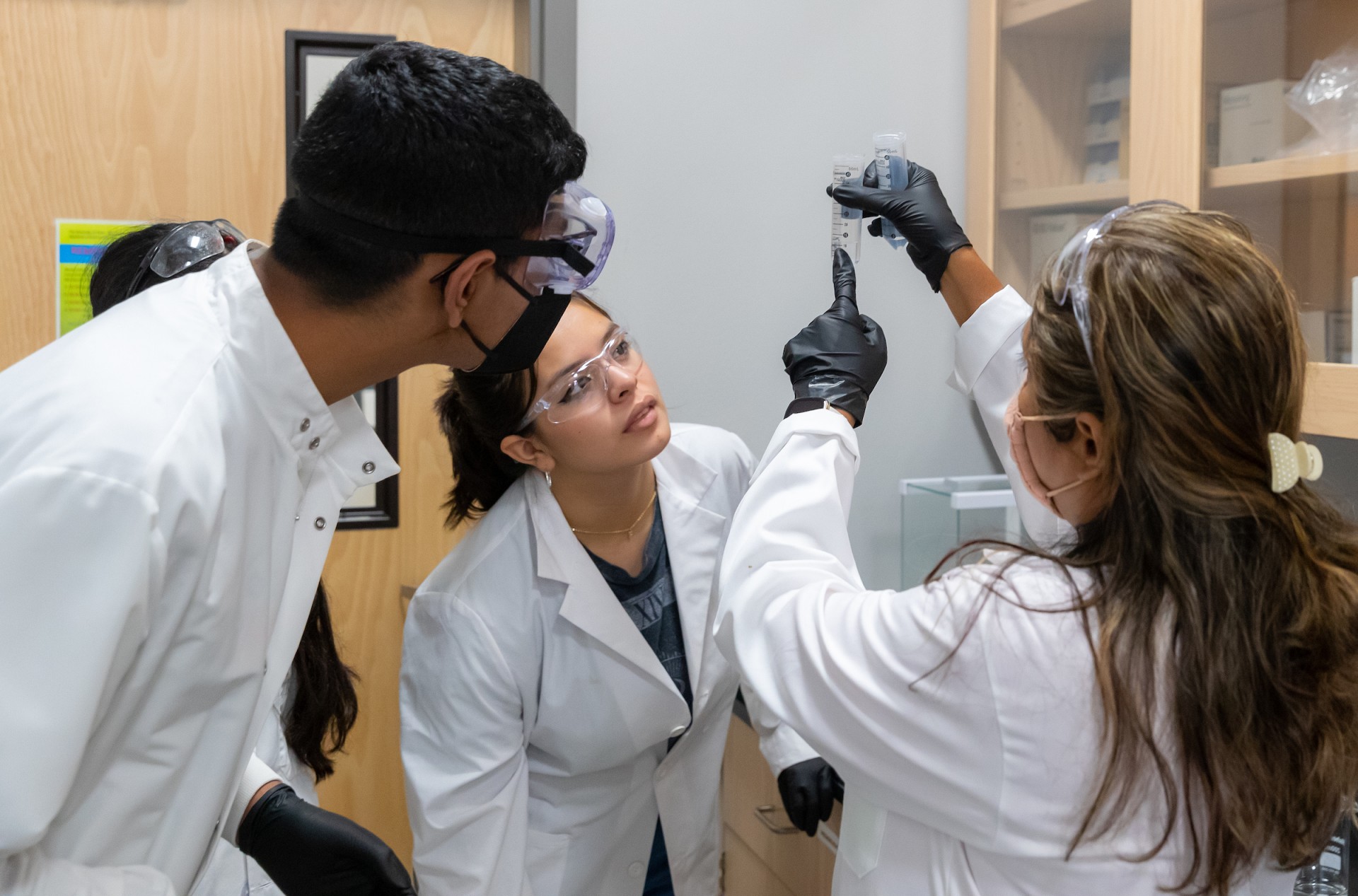
The Bachelor's degree in Biology provides students with a broad-based undergraduate education in biology that will prepare them for graduate study or careers in the field. Topics cover plant, animal, and human life, including molecular biology, cell biology, and human evolution.
A biology minor is also offered:
Bachelor's Degree
Biology - Teacher Certification (BS)
Bachelor of Science in Biology - Teacher Certification
Program Modality: Campus
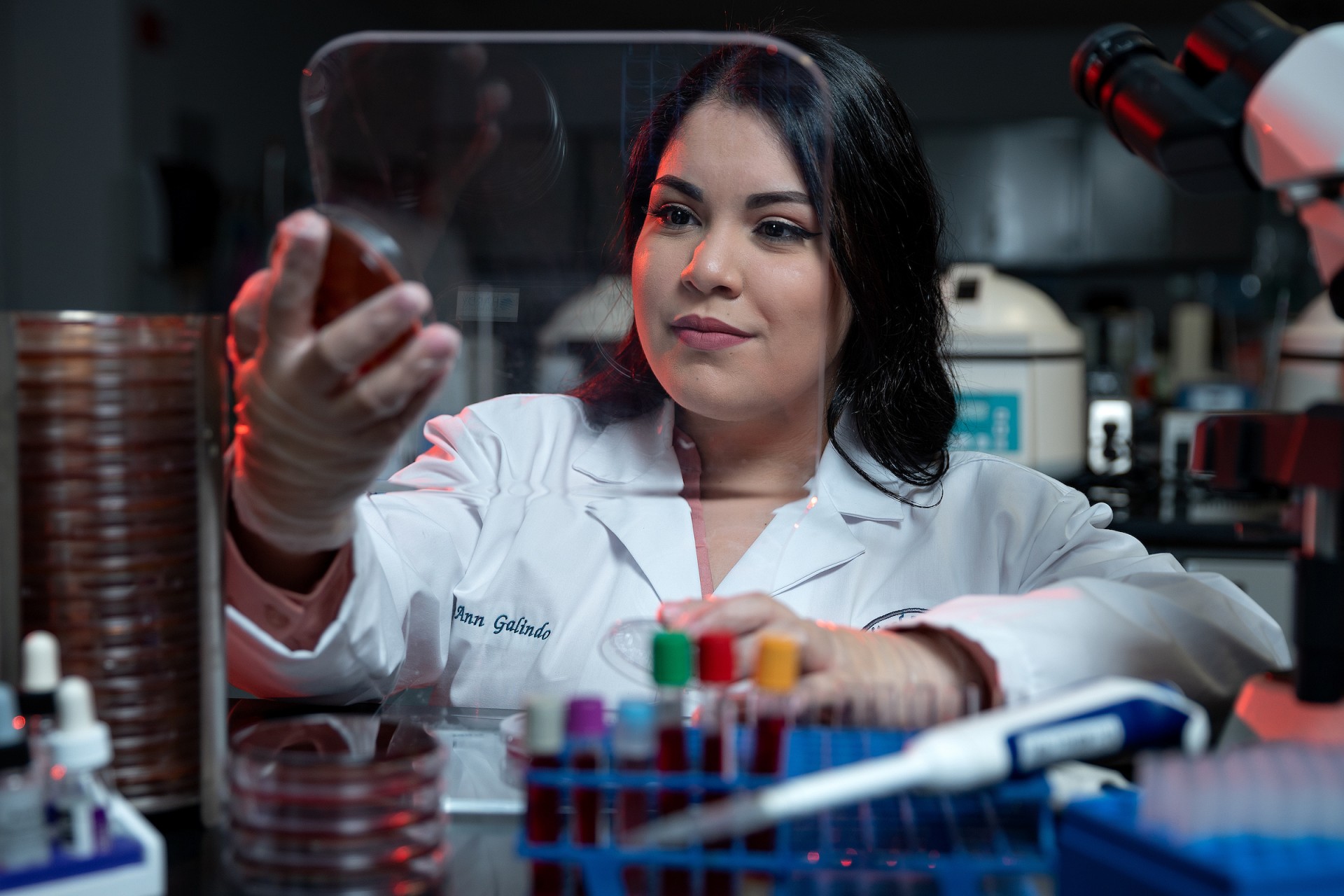
The Bachelor's degree in Biology with Teacher Certification prepares students for careers as science teachers. Students become proficient in the biology field while learning how to educate others. Students may choose from the Biology with Teacher Certification degree which prepares students to become secondary teachers or the Interdisciplinary Studies degree which prepares students to become science teachers in grades 4 to 8. Students who successfully complete all requirements of either of these majors may be eligible to seek teacher certification.
UTRGV is approved by the Texas Education Agency to recommend students who complete all requirements of this degree for teaching certification.
Concentrations:
Bachelor's Degree
Chemistry (BS)
Bachelor of Science in Chemistry
Program Modality: Campus
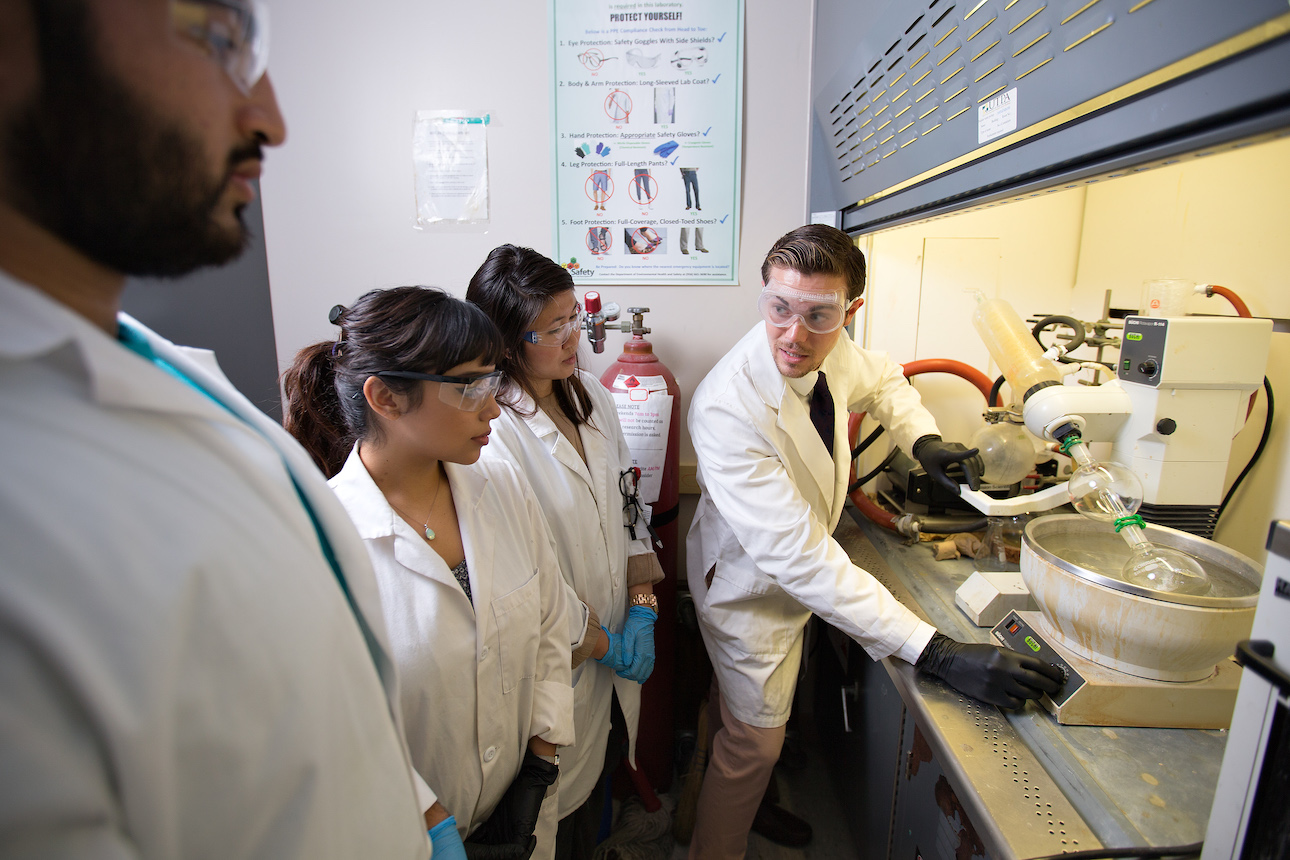
The Bachelor of Science in Chemistry at UTRGV is for those who enjoy learning about the complex ways that the elements on the periodic table combine and have a passion for research. This program will prepare you for a lucrative career in research or to pursue graduate studies in chemistry related disciplines.
Students receiving the BS Degree in Chemistry (broad field Major) can continue their academic studies into masters or doctoral programs in Chemistry or can use the degree to find employment as a chemist. This degree can also be combined with teacher certification work to enter a career as a secondary school teacher of chemistry. The Chemistry (broad field Major) degree is certified by the American Chemical Society. Some of the topics that students will explore include biochemistry, medicinal chemistry, and nutritional and exercise biochemistry.
Bachelor's Degree
Chemistry - Teacher Certification (BS)
Bachelor of Science in Chemistry - Teacher Certification
Program Modality: Campus
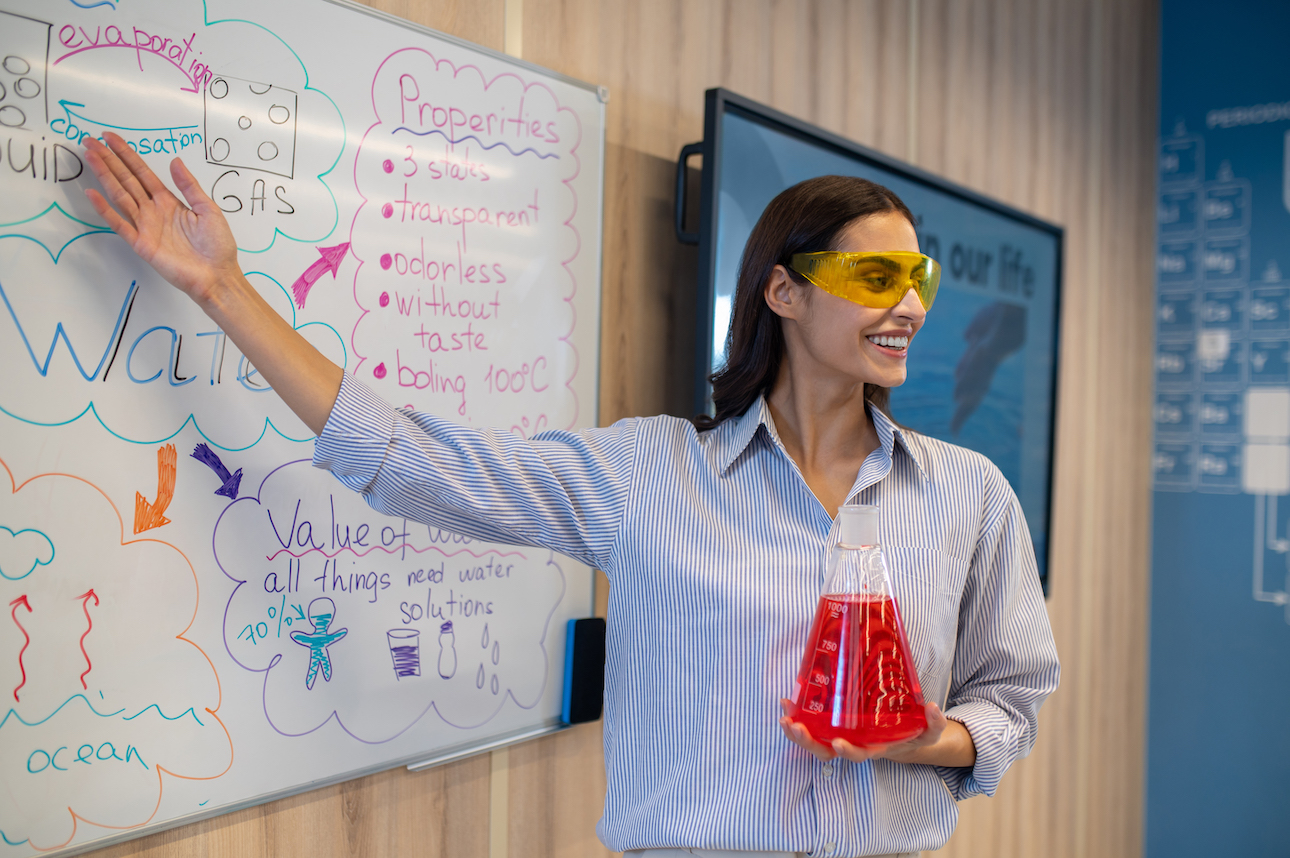
The Bachelor’s degree in Chemistry with Teacher Certification is for students who have a passion for research and enjoy learning about biochemistry, medicinal chemistry, and nutritional and exercise biochemistry. The program provides a pathway for certification as a secondary school chemistry teacher.
UTRGV is approved by the State Board of Educator Certification to recommend students who complete all requirements of this degree for teaching certification.
Master's
Master's Degree
Biochemistry and Molecular Biology (MS)
Master of Science in Biochemistry and Molecular Biology
Program Modality: Campus
The Master’s degree in Biochemistry and Molecular Biology provides an advanced multidisciplinary program of study for students in biochemistry, cell biology, molecular biology, bio-medical research, biotechnology, pharmaceutical, and health care fields. This program provides students with the skills, knowledge, and leadership ability necessary for these careers as well as in education, administration, and healthcare-related areas.
This degree program draws upon expertise and resources from various subjects such as biology, chemistry, physics, mathematics and statistical sciences, environmental and marine sciences, and health professions.
Master's Degree
Biology (MS)
Master of Science in Biology
Program Modality: Campus
The Master’s degree in Biology emphasizes hands-on problem-solving and scientific discovery. Students gain an understanding of how organisms maintain homeostasis, reproduce, evolve, and how they interact with each other and their environment, within the following areas: genetics, evolution, ecology, cellular, and molecular biology, developmental biology, organismal biology, and physiology.
Program graduates are prepared to be competent, confident, and competitive for a variety of careers in the biological sciences.
Master's Degree
Chemistry (MS)
Master of Science in Chemistry
Program Modality: Campus
The Master’s degree in Chemistry covers fundamental chemistry areas including but not limited to environmental chemistry, medicinal chemistry, and materials chemistry. Program graduates are prepared for careers as professional chemists.
Make a Difference by supporting SIBCS
Every donation to UTRGV School of Integrative Biological and Chemical Sciences is a step toward advancing the education of scholars. You can donate to the school or designate a specific lab to support in 'additional comments'