
 rotate(10)'/%3E%3Cpath d='M.038.113v.15l.15.088.15-.088v-.15L.188.025l-.15.088Z' stroke='%23c44900' stroke-width='.0375' transform='rotate(10)'/%3E%3C/svg%3E)
The Pollinator Cantina
On this page
- About the Garden
- Pollinators
- People
- Plants
- Visitors & Photo Gallery
- Events
- Make an Impact with Your Garden
- Thanks
- Contact & Resources
About the Butterfly Garden
The Pollinator Cantina was established in the Spring of 2018 with support from a Transforming Our World grant from the Office of the Provost as part of the UTRGV Strategic Plan. The garden is located on the Brownsville campus between the LHSB and BioMed buildings, next to the resaca.
The purpose of the garden is three-fold:
- 1) the conservation of butterflies and other pollinators
- 2) to act as a platform for experiential learning and research projects for students
- 3) to engage the community by providing information on the importance of pollinators and what they can do to help conservation efforts.
In the spring of 2018, construction of the garden was begun on the Brownsville campus. The initial planning of the garden layout was done in consultation with the UTRGV facilities staff.
A plant layout plan was made for each bed in consultation with Silvia Barr from Quinta Mazatlan. This included taking in to account the amount of sun or shade each bed received, and the final size of the plant.
Compost was layered on top of the turf in the areas that would become the planting beds. The compost was then tilled into the soil.
Students then made borders for each bed with two layers of bricks glued together with construction adhesive.
The beds are not deep because the plants can grow roots into the existing soil. Mainly the bricks are acting as an edge to reduce invasion of the beds by grass and to prevent the soil from being washed away.
Next, drip lines to provide water were installed in each bed. Trenches were dug behind each bed for the main lines, and then three perforated drip lines were extended into each bed.
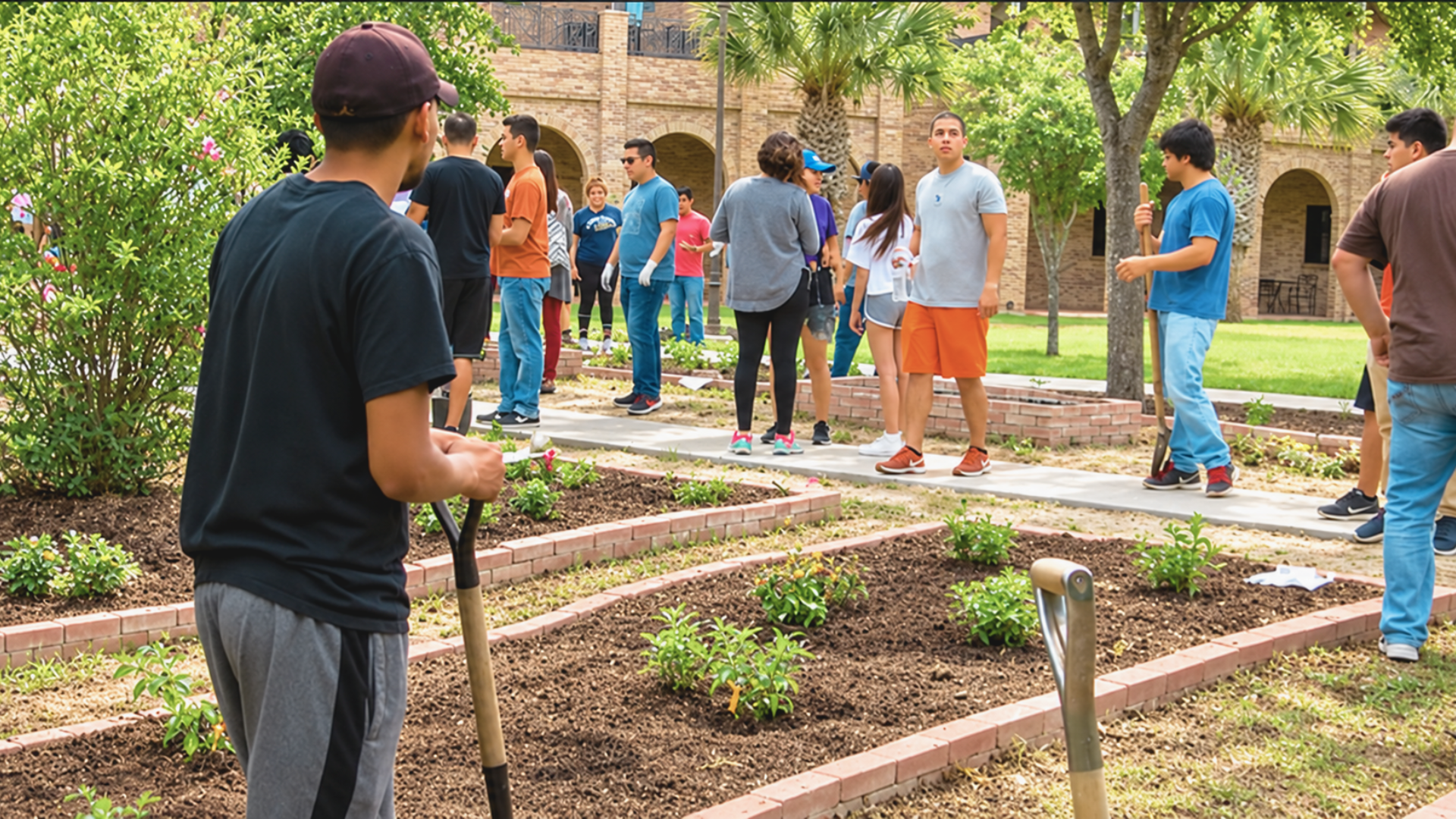
On 30 March 2018 students and members of the wider community came together to plant the garden.
Student volunteers from the Ecology 3409-02S and Biology 1407 courses, as well as the wider community were involved. Students: Jessica Solis, Manny Campos, Carlos Perrez, Damaris Antonio, Porfirio Pelaez, Bryan Villarral, and Oliver Salander played a big part in building the garden.
Pollinators
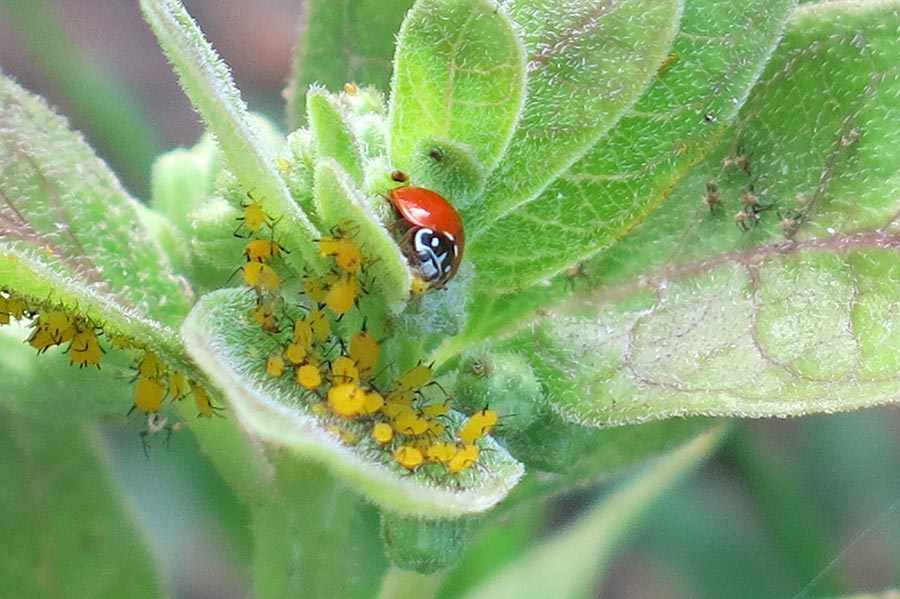
Common pollinators to see in the garden include honey bees, native bees, butterflies, moths, humming birds, flies and mosquitos. Find out more about them with the Texas Pollinator guide (PDF) from Texas Park and Wildlife.
Honey bees
When most people hear the word "pollinator" they usually think of a honey bee first. However, honey bees are not native to the Americas, but were brought over in the 1600s by European farmers. Honey bees themselves are native to Africa, Asia and Europe. The social nature of the honey bee makes them easy to use for pollinating crops. Bring in one colony to your field, and you have more than 10,000 workers!
Native bees
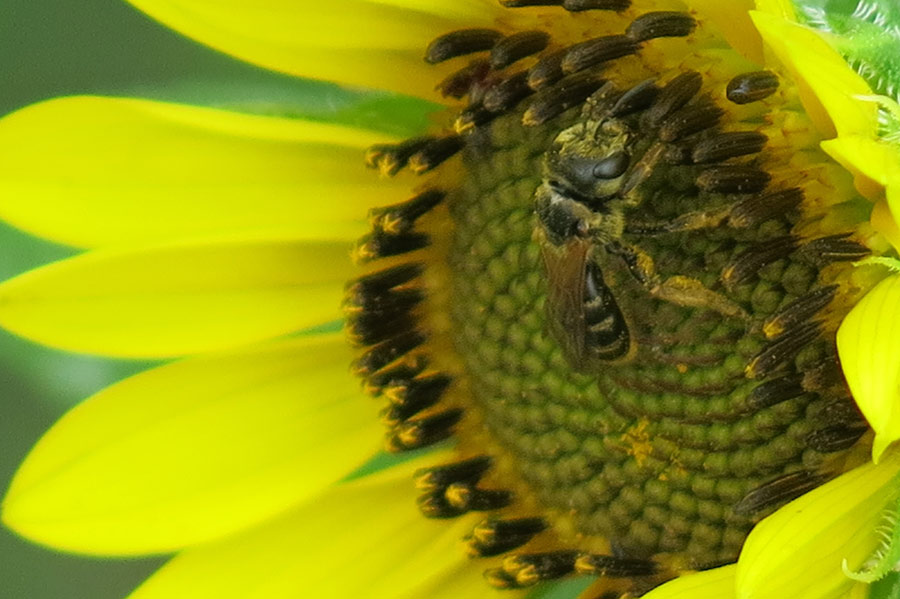
There are lots of different kinds of bees that are native to the region including bumble bees, sweat bees, carpenter bees and mason bees. Most of them are solitary, so they do not form colonies with lots of individuals. Find out more about native bees with this Texas Native Bee Guide (PDF) from the Jha research group at UT Austin.
Learn more about how to identify bumble bees here from Texas Parks and Wildlife
Butterflies and moths
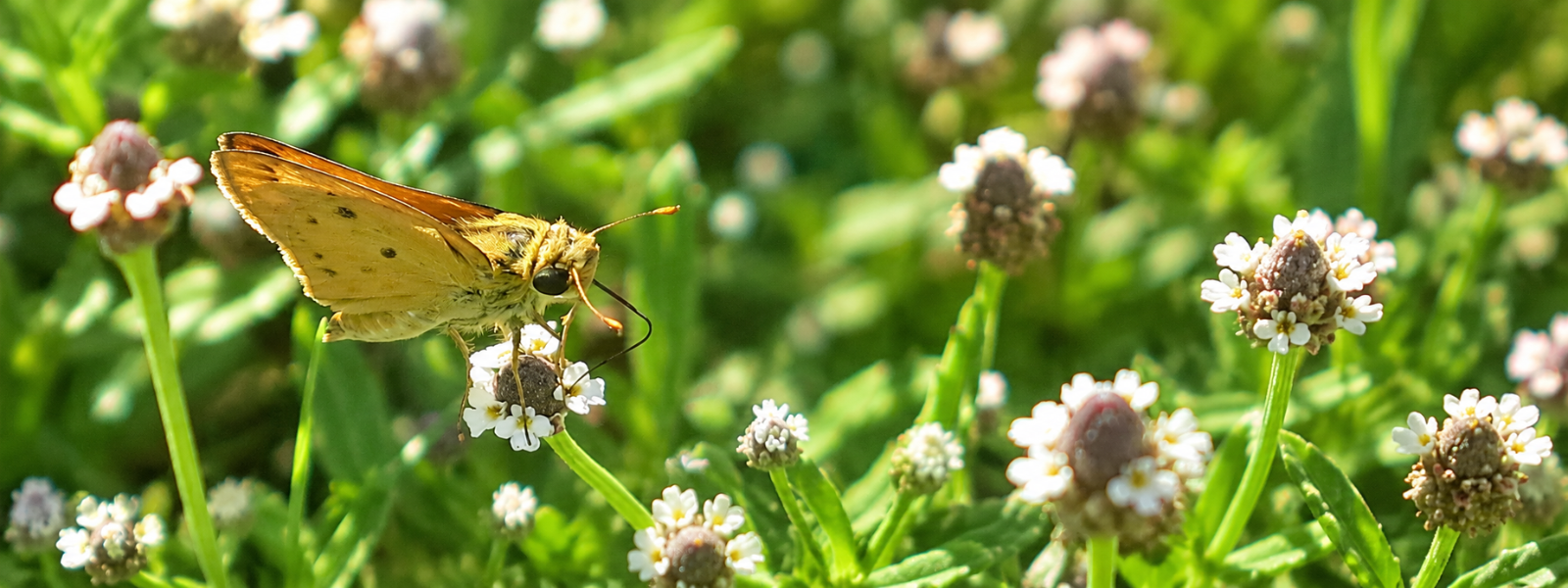
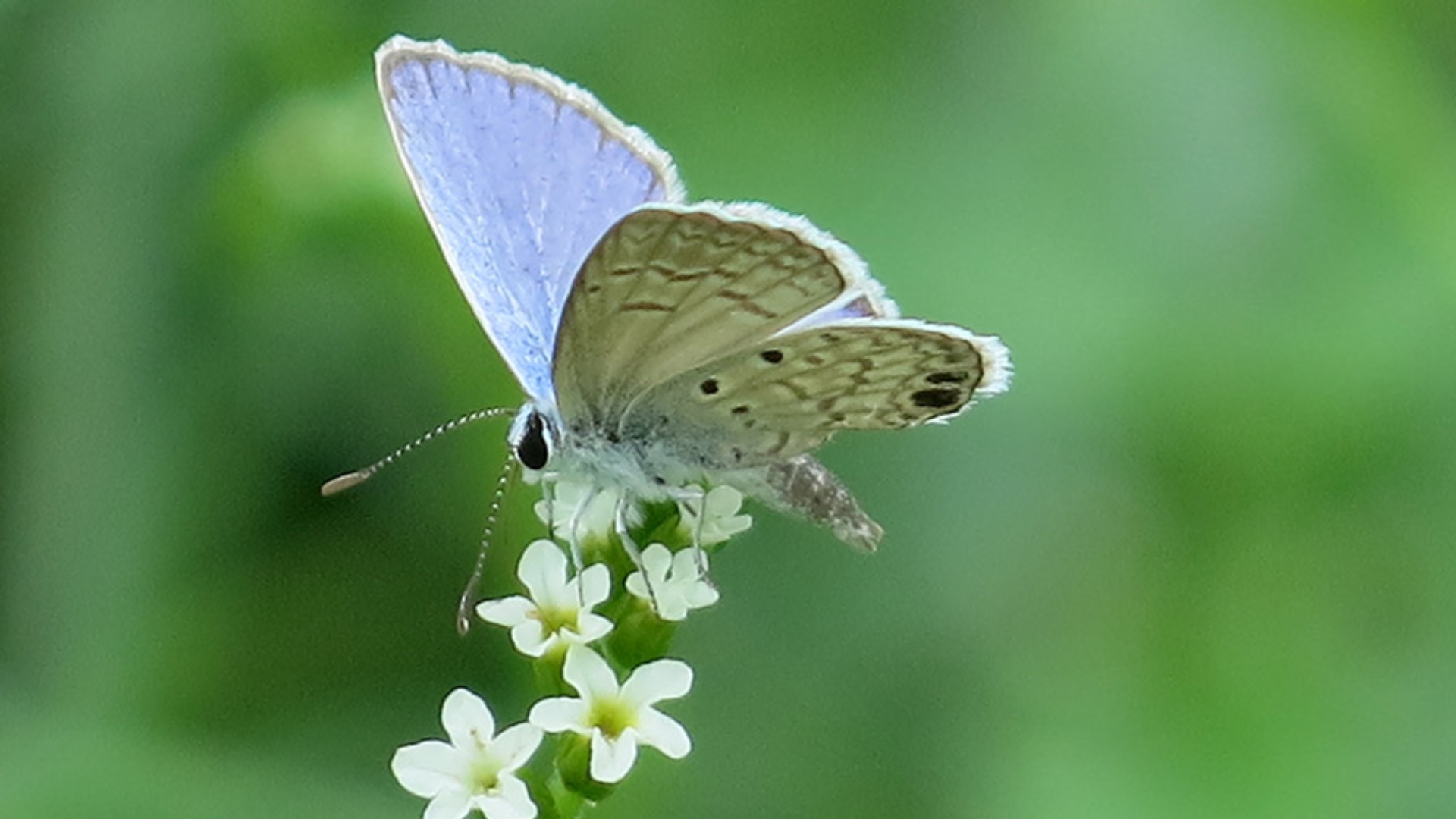
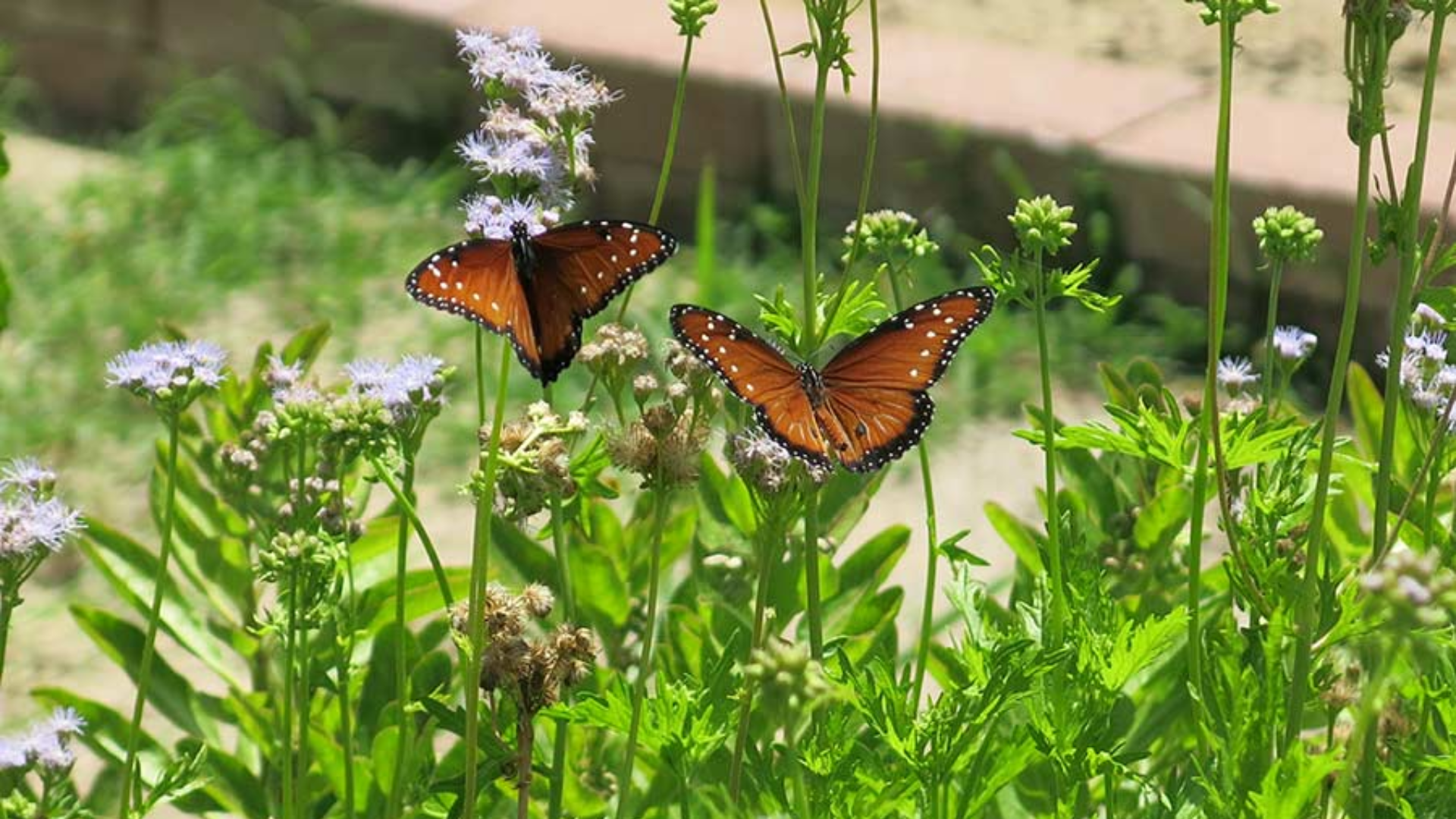
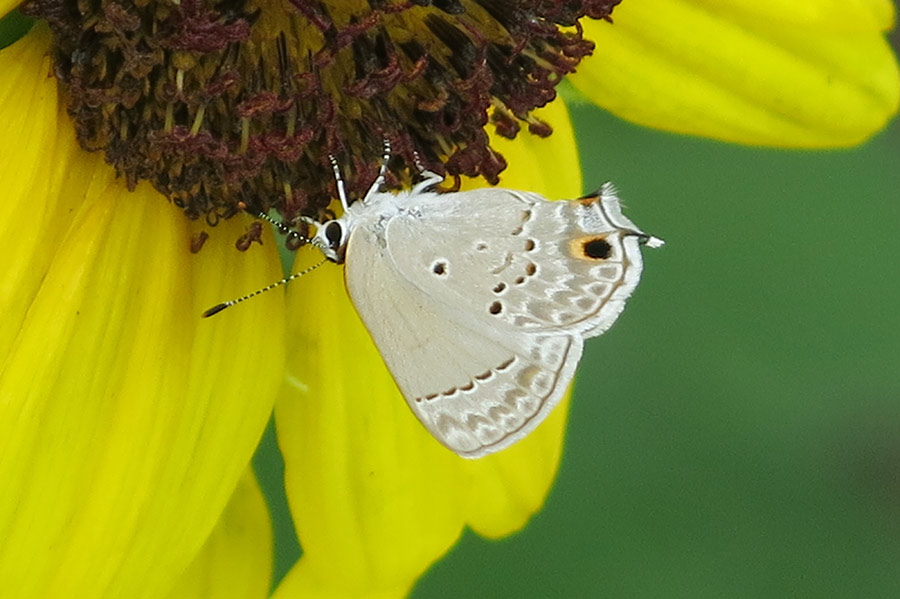
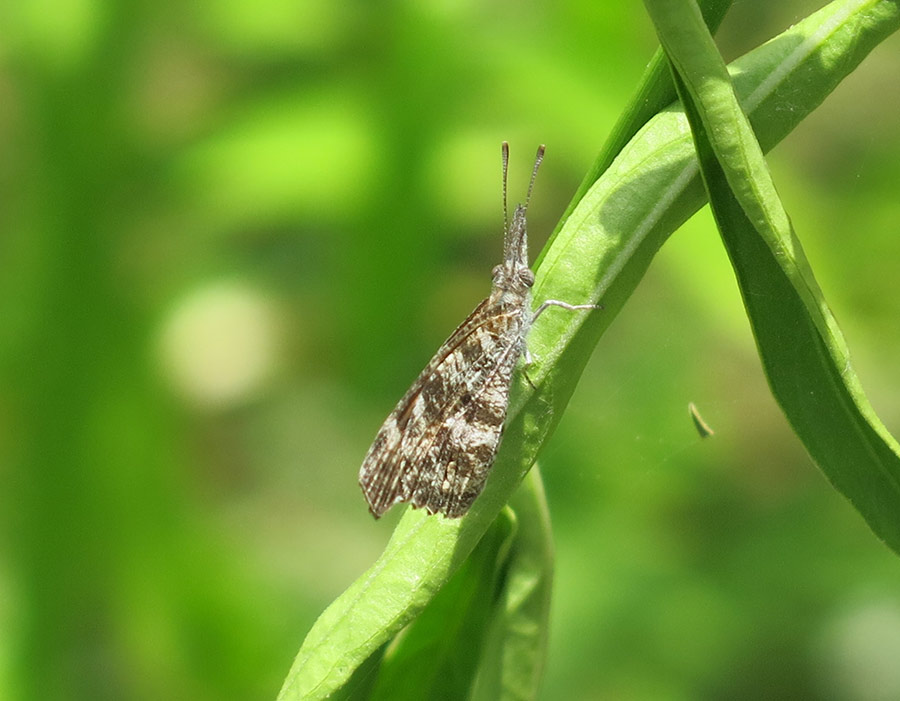
The easiest way to tell a butterfly from a moth is to look at the antennae. Butterflies have narrow antennae with a round bulb on the end. Moths have feathery or thicker antennae that do not have a distinctive round bulb. There are many more different species of moths than butterflies, and some moths are active during the day. Over 300 different species of butterflies have been recorded in south Texas making Cameron, Hidalgo and Starr counties a butterfly hotspot.
The South Texas Chapter of the North American Butterfly Association has a great webpage for identifying many of the local butterflies.
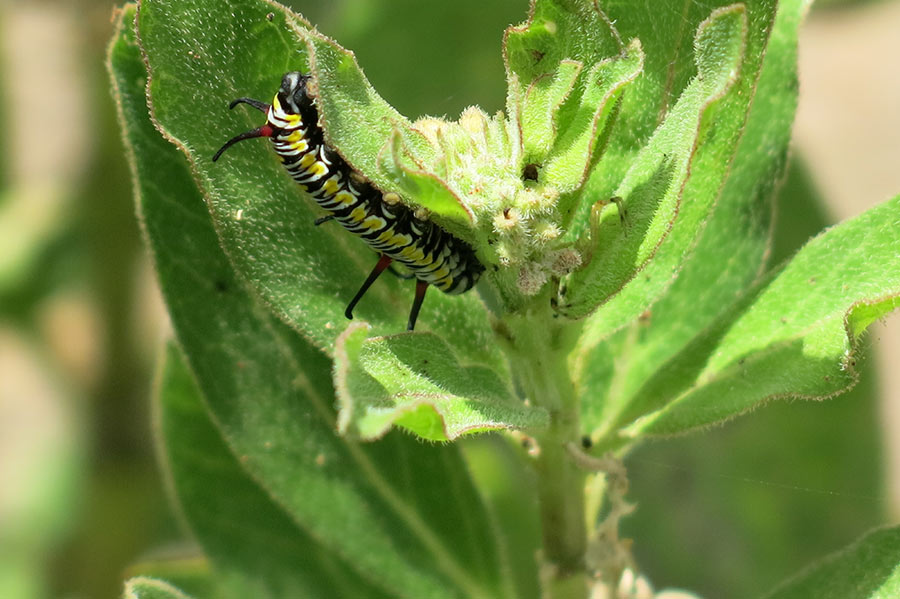
Monarch butterflies pass through Texas on their migration route. We are looking forward to finding some monarchs in the garden this fall. Monarch caterpillars feed only on milkweed, which is why there are several different species of milkweed in the garden.
Find out more about monarch butterflies at the Monarch Joint Venture .
Flies
Flies also visit flowers for nectar. Unlike bees they only have one pair of wings.
Mosquitos
Mosquitos eat nectar from flowers as their main food source. Female mosquitos only bite when they need blood to get the protein that is essential for making eggs. Whether or not mosquitos actually act as pollinators by carrying pollen from one plant to another is currently being studied.
People
Profiles and titles are reproduced as published on the source website; they have not been updated to reflect current appointments.
Dr. Sara Black
Dr. Sara Black is a lecturer in the Biology Department who grew up in Brownsville. She is the coordinator for the Biology 1407 lab course, where students will be using the Pollinator Cantina to produce a digital insect collection. Find out more on Dr. Sara Black's faculty profile page .Dr. Lucia Carreon
Dr. Lucia Carreon Martinez is a lecturer in the Biology Department. She has used the garden in her Ecology course. Find out more on Dr. Lucia Carreon's faculty profile page .Dr. Alejandro Fierro
Dr. Alejandro Fierro Cabo is an Associate Professor in the School of Earth, Environmental and Marine Sciences with a joint appointment in the Biology Department. He is interested in restoration ecology and plant animal interactions. Find out more about his work on Dr. Alejandro Fierro's faculty profile page .Dr. Rupesh Kariyat
Dr. Rupesh Kariyat is an Assistant Professor in the Biology Department at UTRGV, Edinburg campus. Dr. Kariyat’s research is in the area of insect-plant ecology, examining the mechanisms underlying communication between herbivores, pollinators and their host plants in natural and agricultural ecosystems. More details about his research can be found at Dr. Rupesh Kariyat's website .Dr. Julie Mustard
Dr. Julie Mustard is an Assistant Professor in the Biology Department. She studies behavior in honey bees. Find out more about her research on Dr. Julie Mustard's faculty profile page .Plants
The Pollinator Cantina has a selection of native plants on display. Come for a visit to see which plants would work well in your garden.
The Lady Bird Johnson Wildflower Center has a lot of information about native Texas plants.
A list of Rio Grande Valley native plants that provide food for butterflies was compiled by Mike Quinn. Download the list of Rio Grande Valley native plants (PDF) .
List of plants found in the pollinator garden
- Adelia vaseyi (Vasey's wild lime)
- Frog fruit
- Fiddle wood
- Blue creeping sage
- White plumbago
- Texas Baby bonnet
- Carlowrightia
- Runyon’s water willow
- Snake herb
- Tube tongue
- Texas lantana
- Scorpion’s tail
- Scarlet sage
- Spring mistflower
- Crucita
- White mistflower
- Golden rod
- Low croton
- Bettany leaf mistflower
- Texas kidneywood
- Sweet gaura
- Heart leaf hibiscus
- Turk’s cap
- Trixis inula
- Wolly pyramid bush
- White brush
- Hairy wedelia
- Velvet lantana
- Skeleton leaf
- Prairie milkweed
- Tropical milkweed
- Common sunflower
- Coyotillo
- Texas sage
Visitors & Photo Gallery
 |
 |
 |
 |
 |
 |
 |
 |
 |
 |
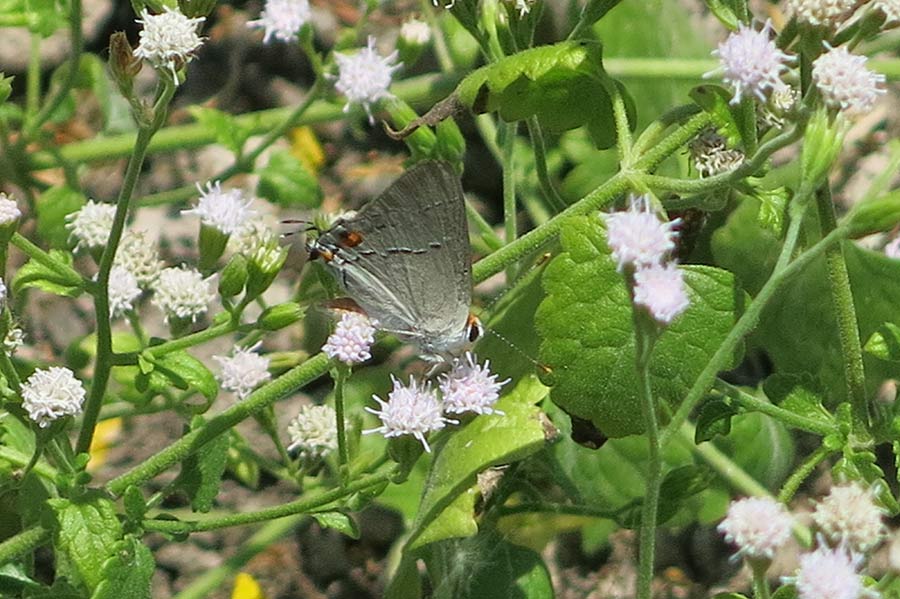 |
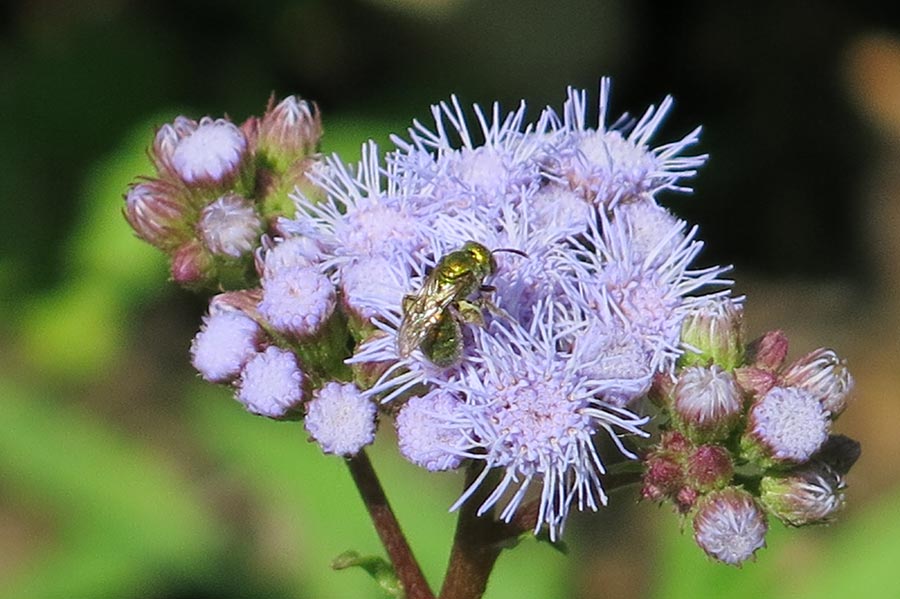 |
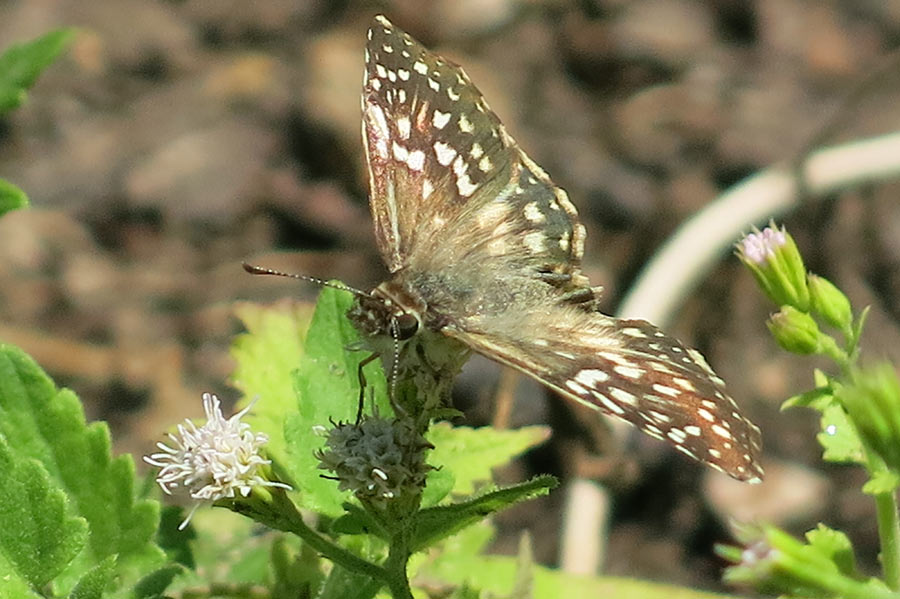 |
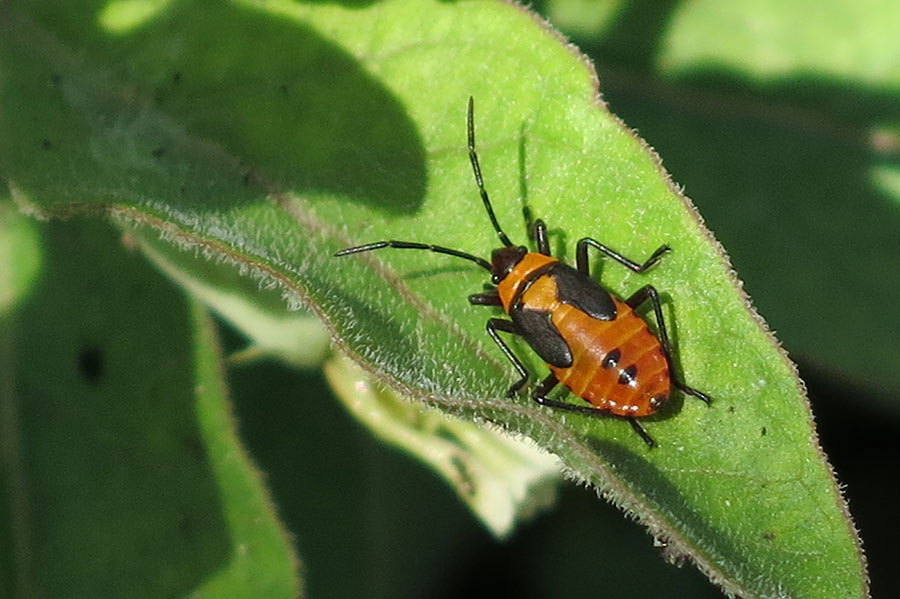 |
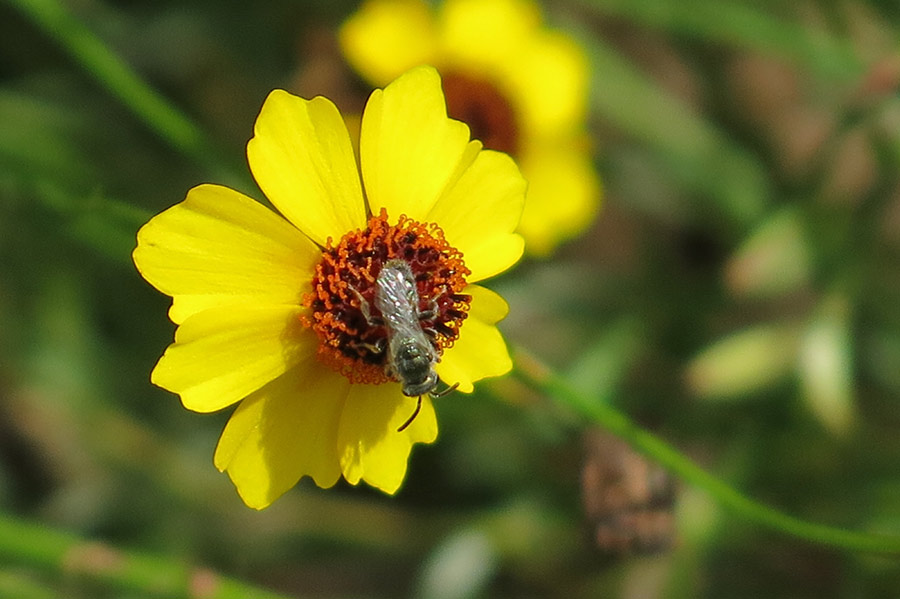 |
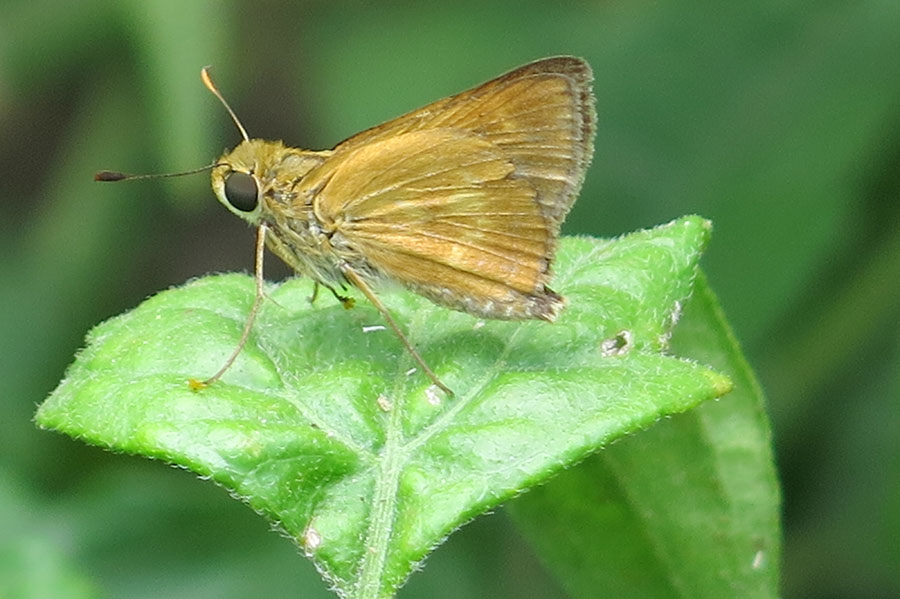 |
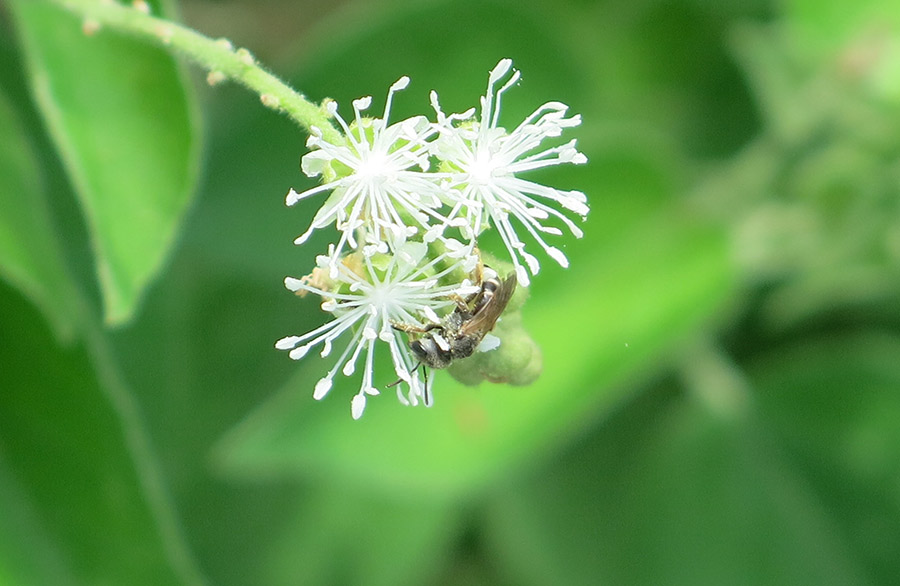 |
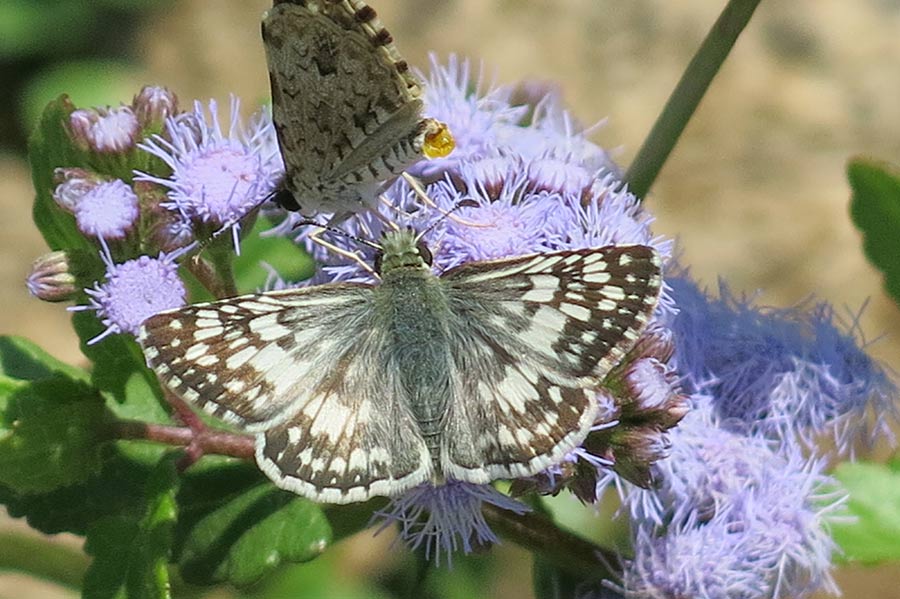 |
 |
 |
Events
No Upcoming Events Yet
Other places with pollinator related activities
National Butterfly Center in Mission TX
Texas parks and wildlife pollinator project
North American Butterfly Association
Make an Impact with Your Garden
Choose native plants
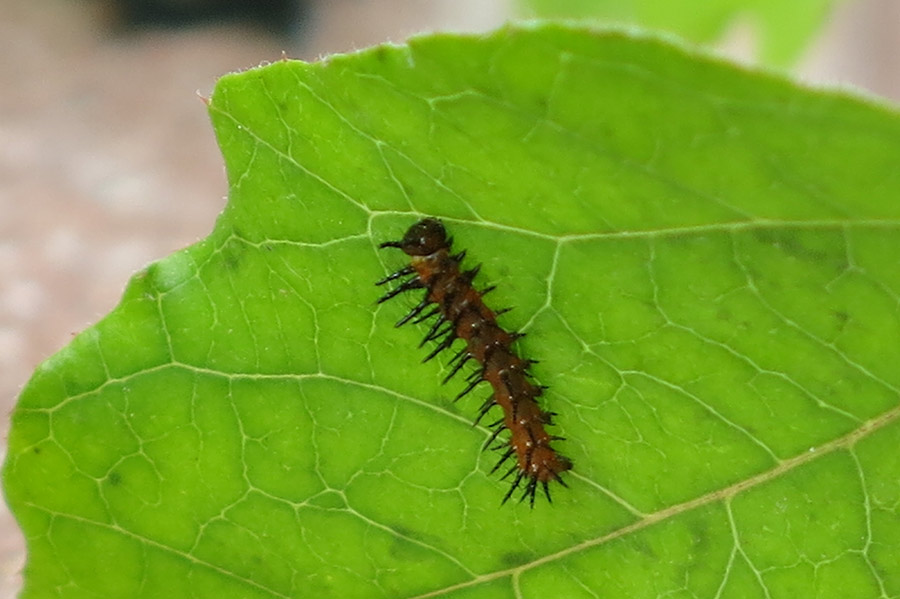
If you have flowers in your yard, but do not see a lot of pollinators or birds, it could be because those plants are not an enticing food for pollinators. Also, many flowering plants used in landscaping have been selected for the color or shape of the flower rather than the amount of nectar they provide. For example, unlike the native Texas lantana, many of the widely sold lantana plants do not provide good nectar. A simple way to increase the number of pollinators visiting your yard is to use plants that are native to this area. Many butterfly caterpillars only eat one kind of plant, such as the American Snout on hackberry, the monarch on milkweed and fritillary butterflies on passion vines. There are many beautiful and easy to care for plants that are native to the lower Rio Grande Valley. Examples can be found in the Pollinator Cantina garden, and a plant list and more information is provided under the "plants" section.
Some native plants can be purchased at large home improvement stores. Here is a list of nurseries that provide many types of native plants:
Composting
You can purchase or make a composter or use a compost heap to return your kitchen scraps and garden waste into food for your garden.
Download the guide on how and what to compost (PDF) .
However, making a simple composter for small yard waste does not have to be complicated. Simply use galvanized mesh (also known as hardware cloth) to make a cylinder. You can use wire ties or zip ties to secure the ends. Put garden waste in the top and, every four months or so, tip the cylinder to rake out the compost that forms on the bottom. We are using this simple type of composter in the Pollinator Cantina.
To get the Pollinator Cantina started, compost was provided by the City of McAllen (thank you!).
View information on Composting with the City of McAllen .
A puddling station
You may see butterflies on the ground sucking up mud. This puddling behavior is so the butterflies can absorb necessary minerals from the mud. Other pollinators also need to collect water. Although there are a lot of resacas around, insects cannot land on the water. Make a small muddy patch in your garden to attract butterflies. Some suggestions for puddling stations are:
- Having a fountain splash on to the ground.
- Filling a bird bath up with gravel and dirt (the top a bird bath can be set on the ground or buried in the dirt).
- Even a small dish can be filled with rocks and dirt, as long as you remember to add water.
Drip irrigation
Installing drip irrigation conserves water and reduces the amount of time spent hand watering trees and shrubs. Watch a video on installing drip irrigation from SARA UTRGV:
Watch: Drip Irrigation for Small Scale Producers (YouTube)
Thanks
We would like to thank:
The UTRGV Provost's office Transforming Our World initiative, which provided the initial funding for establishing the garden.
Lowes Home Improvement Center
The City of McAllen composting facility for donation of compost.
Horticulturist Silvia Barr from Quinta Mazatlan for her invaluable help in choosing plants for the garden.
Thank you to Max Munoz at the National Butterfly Center for advice on garden layout and plants.
Ranger Kelly Cummins from Resaca de la Palma State Park provided some much needed help with tips on butterfly identification.
The UTRGV Brownsville Campus facilities team lead by Abraham Hernandez. They made the paved pathway and the pergola possible!
The facilities staff pour the concrete for the pathway. Photo: LCarreon
The facilities crew put the finishing touches on the pergola. Photo: LCarreon
Dr Frank Benton, UTRGV lecturer, for bringing his tractor and tilling the soil.
Cruz Salinas, Agricultural Specialist with SARA at UTRGV, for his expertise on installing drip irrigation systems.
Jeromy Jeffries for donation of two wishing well structures in the garden.
The many students and community members that have donated their time and effort in constructing and maintaining the Pollinator Cantina. This would not be possible without them!!!
Contact & Related Resources
Contact Us
The Pollinator Cantina
Map: Brownsville Location
Email: PollinatorCantina@UTRGV.edu
Quick Links
- School of Integrative Biological and Chemical Sciences
- School of Earth, Environmental, and Marine Sciences
- Office for Sustainability
- SARA - Center for Sustainable Agriculture and Rural Advancement