
 rotate(10)'/%3E%3Cpath d='M.038.113v.15l.15.088.15-.088v-.15L.188.025l-.15.088Z' stroke='%23c44900' stroke-width='.0375' transform='rotate(10)'/%3E%3C/svg%3E)
STEM Research Conference
Overview
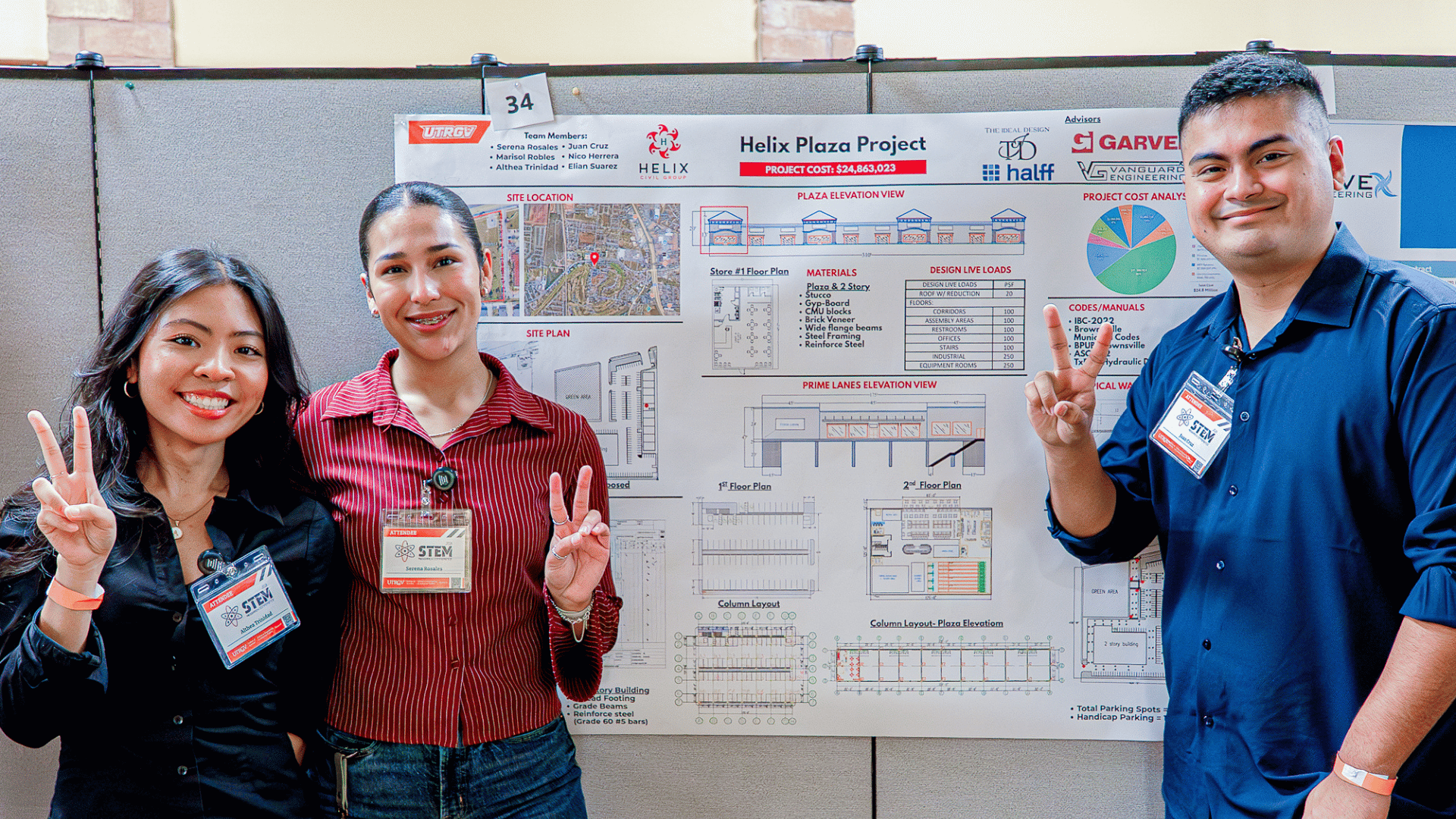
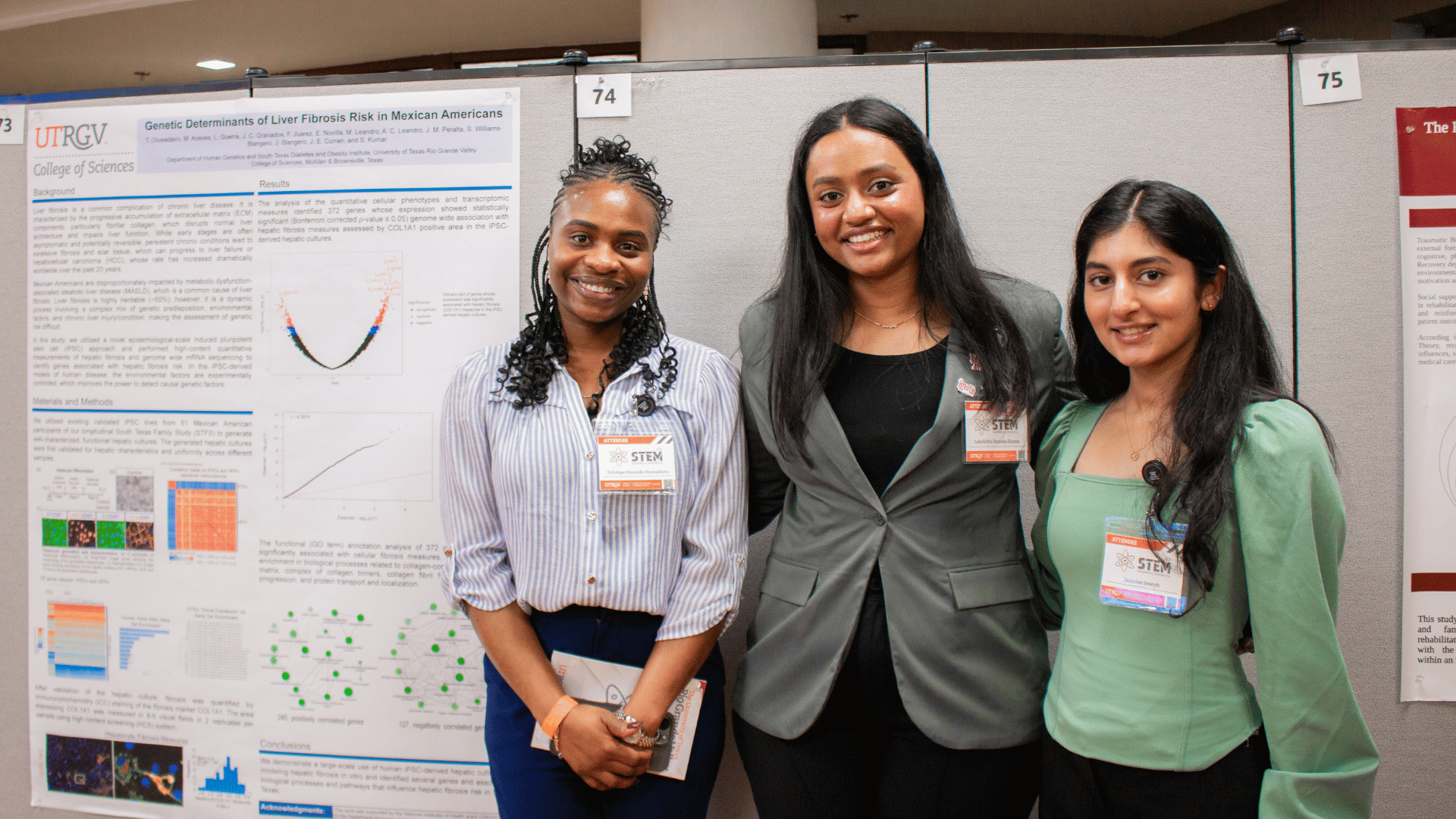
The STEM Research Conference is an academic platform designed to showcase the research achievements of scholars across the full educational spectrum, from high school students and undergraduates to graduate students, postdoctoral researchers, and early-career professionals, as well as faculty mentors who support their work. This annual conference provides participants with an opportunity to present their original STEM research and scholarly work to the university community, fostering a culture of inquiry, collaboration, and academic excellence.
By bringing together researchers at different stages of training and across a wide range of STEM disciplines, the conference fosters a culture of interdisciplinary exchange, mentorship, and professional development. Attendees gain valuable experience presenting in a formal academic setting, receive constructive feedback from faculty and peers, and contribute to UTRGV’s mission of advancing scientific inquiry and innovation.
The STEM Research Conference serves as an important institutional forum for recognizing emerging talent, supporting the development of future STEM professionals, and highlighting the breadth and strength of research activity within the university and surrounding community.
Students and researchers from all STEM-aligned fields are encouraged to participate.
Event Details
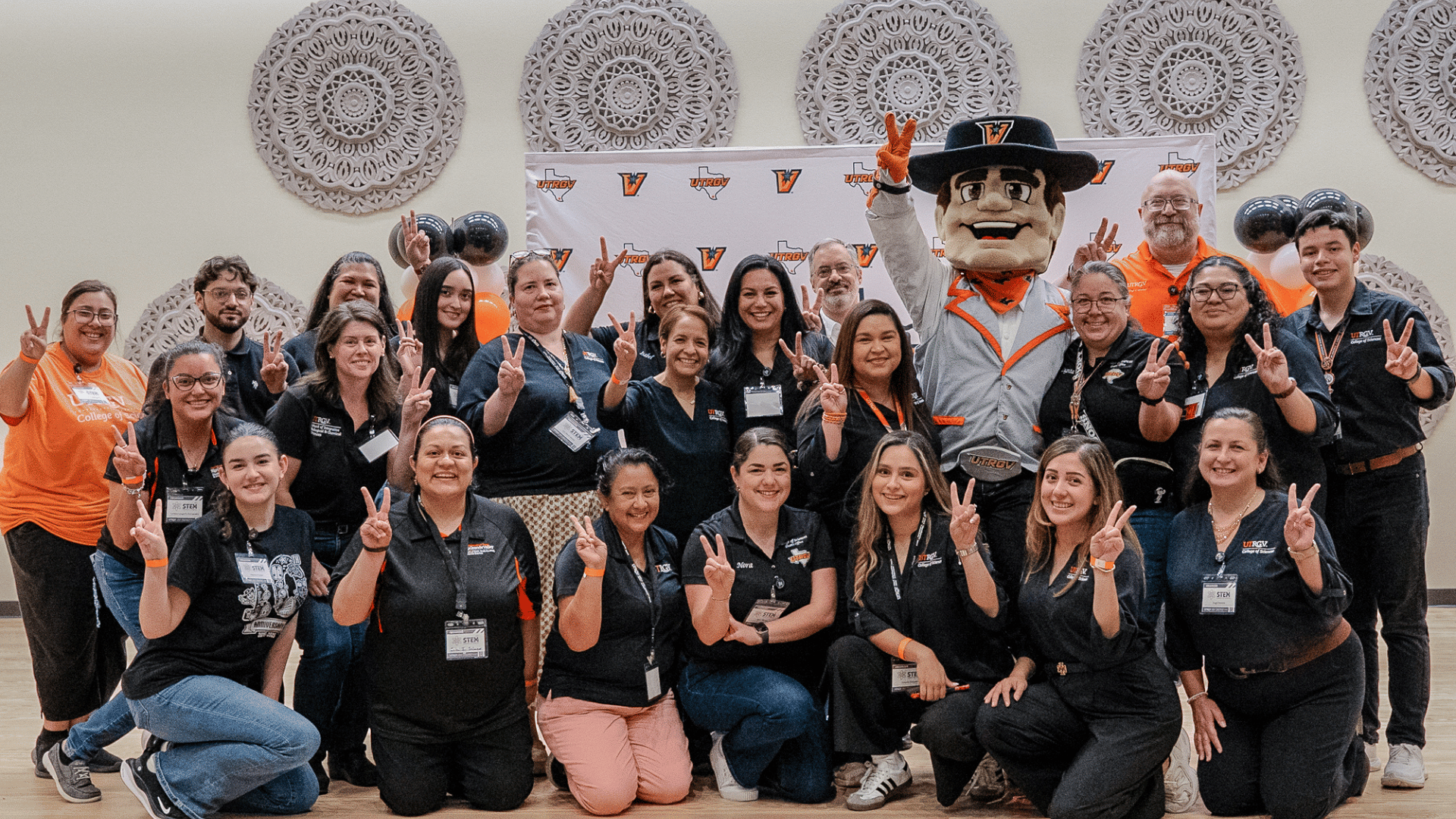
The STEM Research Conference is organized through a collaborative partnership between the College of Sciences, the College of Engineering and Computer Science, and the Division of Research at UTRGV. Each conference cycle brings together presenters, faculty mentors, judges, guests, and university partners for a full academic program centered on student and early-career research.
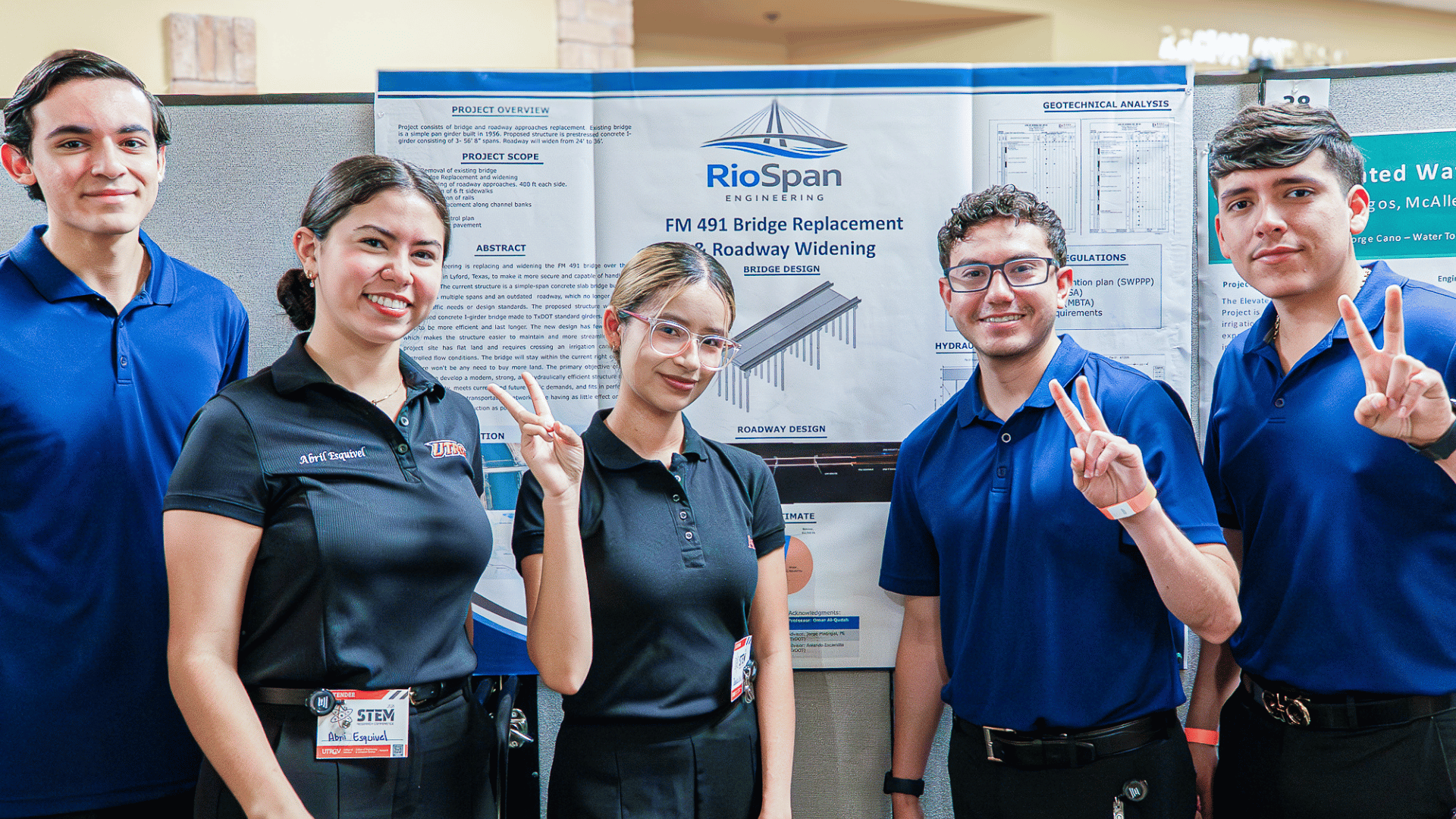
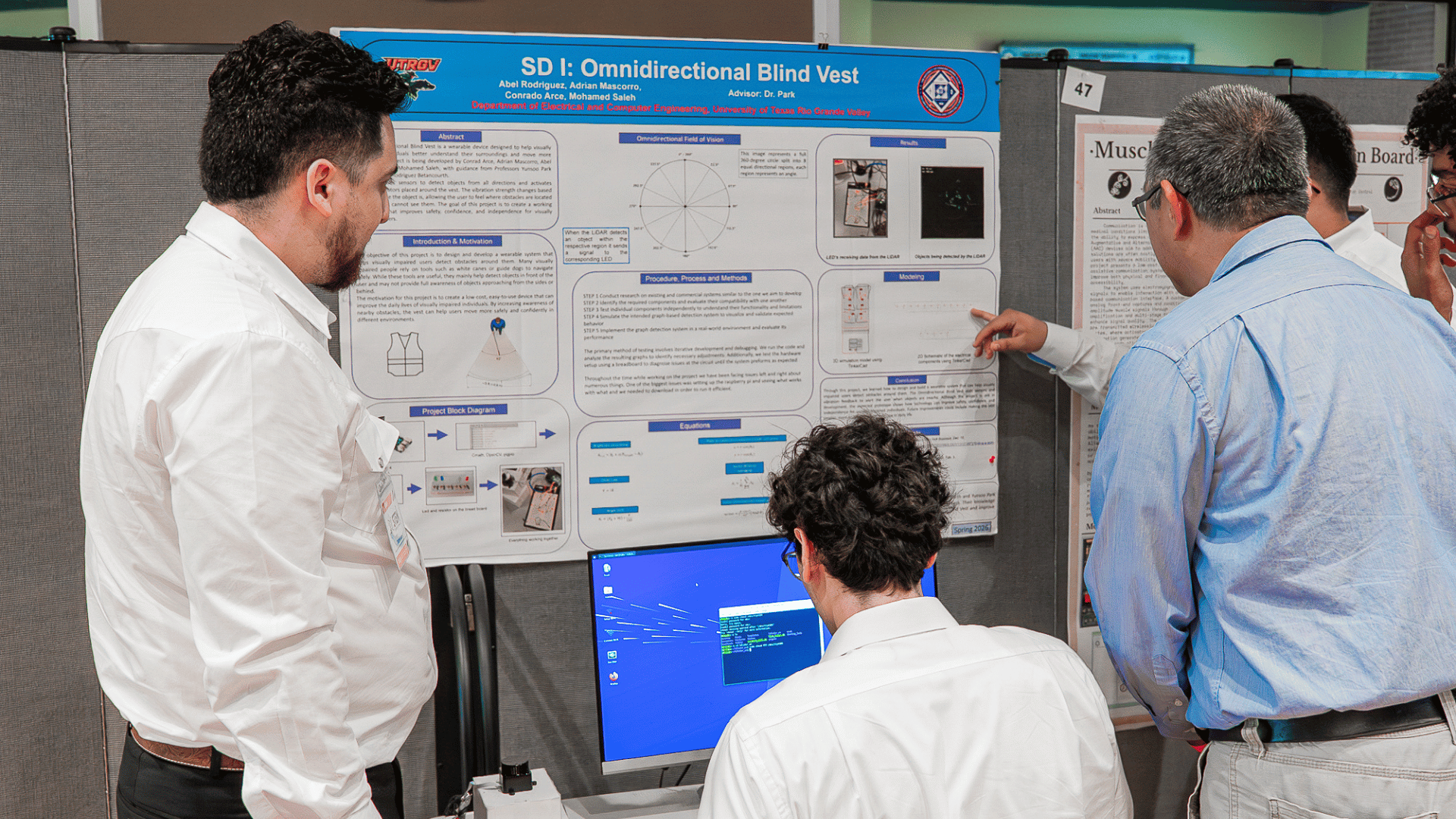
The conference includes oral research presentations, poster sessions, keynote or featured speaker sessions, networking opportunities, and recognition of outstanding scholarly work. Presentation formats and session categories are organized according to the range of submissions received each year, allowing the program to reflect the breadth of STEM research taking place across participating disciplines.
Conference details, including the date, location, registration timeline, agenda, presentation guidelines, and award information, are updated for each conference cycle. Information about the next STEM Research Conference will be posted as it becomes available.