
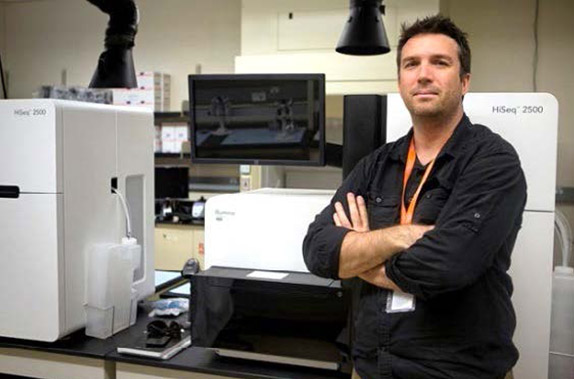
Scientists at the South Texas Diabetes and Obesity Institute (STDOI) are seeking to understand the genetic determinants of risk for eye diseases so that they can contribute to the development of new treatments for eye problems such as cataract, glaucoma and diabetic retinopathy. This work is of particular relevance during this National Diabetes Month, because people with diabetes are at an increased risk of developing vision problems, including blindness. Diabetes-related vision problems are collectively known as diabetic eye diseases and include diabetic retinopathy, diabetic macular edema, cataract and glaucoma. In diabetic retinopathy the blood vessels that feed the retina, the light sensitive area at the back of the inner eye, change in a manner that allows blood and other fluid to leak onto the retina or into the gel-like substance (vitreous humor) within the eyeball. This leakage results in impaired vision. Diabetic macular edema is a consequence of diabetic retinopathy and causes swelling of a specialized area of the retina known as the macula. The macula is responsible for central vision. Individuals suffering from diabetic macular edema are likely to have difficulty reading or recognizing faces. Adults with diabetes are at a higher risk of developing cataract than normal adults, and also are more likely to develop cataract at a much younger age than most people. In individuals with cataract, the lens of the eye is cloudy, and so the light that enters a lens with a cataract is distorted. The distortion prevents a sharp, clear image being formed and results in blurred vision. Adults with diabetes are approximately two times more likely to develop glaucoma than adults without diabetes. Glaucoma causes damage to the optic nerve, which is the bundle of nerve fibers connecting the eye to the brain. Individuals with glaucoma suffer loss of peripheral vision; that is, they experience tunnel vision. Diabetic eye diseases may go unnoticed until significant vision loss starts to occur. In some situations, such as untreated glaucoma, the vision loss cannot be restored. In other situations, such as is the case for diabetic retinopathy, medical therapy can treat or prevent the risk of further loss of eyesight. It is well known that an individual's risk of developing diabetic eye diseases is also influenced by genetic factors. STDOI scientists are trying to identify the genetic mechanisms that influence risk for diabetic eye diseases. The discovery of these genetic mechanisms can provide a basis for developing tests for early detection of risk prior to any vision loss. In addition, such discoveries may trigger the development of new medical treatments to prevent further vision loss or to restore lost vision. STDOI scientists are currently working on studies of diabetic eye disease in Mexican-Americans from San Antonio and in a population living in eastern Nepal. The STDOI's mission is to advance the health of South Texas and the world through cutting edge research on diabetes and obesity-related disorders. Researchers at the STDOI are now working to establish studies in the Rio Grande Valley that will recruit volunteers from the region to participate in research on the genetic mechanisms contributing to diabetic eye disease. Through this research, STDOI scientists hope that ultimately they can contribute to improving vision health in the Valley. Preventive measures like maintaining healthy blood sugar levels and early detection of vision problems are effective ways to protect against vision loss associated with diabetes. Individuals with diabetes should get an annual dilated eye exam to allow for close monitoring of vision health. Dr. Matthew Johnson is an associate professor in the South Texas Diabetes and Obesity Institute. He is a molecular geneticist who has conducted research aimed at understanding the genetic determinants of risk for hypertension in pregnancy. He is now focused on understanding the role of genetics in risk for eye diseases, particularly vision loss associated with diabetes.