Meet the Faculty
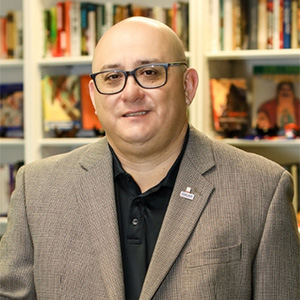
Doctor Alberto Rodriguez
Bio: Dr. Alberto Rodriguez is the current program coordinator/director of Mexican American Studies at UTRGV.As a former migrant farmworker and a first-generation college student, diversity, equity, and inclusion are at the center of my teaching and being. At Texas A&M University-Kingsville (TAMUK) which is a Hispanic-Serving Institutions (HSI), with over 60% Latina/os students, my philosophy has been to promote critical thinking, speaking, and writing through diversity, equity, and inclusion. I understand that students have different learning styles in the classroom as I have taught first-generation students, Deferred Action for Childhood Arrivals (DACA), and non-traditional learners/students. I believe teaching and learning is a two-way street. I learn from my students as much as they have learned from me. Early in my collegiate and academic career, I realized that diversity is only the first step to the success of HSI students. If we are to truly change our higher learning institutions, we must hire diverse people with diverse backgrounds so our students can see themselves in their instructors. We must understand that not all students have access to the same resources before they get to our universities, and the curriculum and classes available to them must be inclusive of their history, backgrounds, and real-life experiences. For my students, it's vital that they see a person of color who looks and sounds like them, shares the same geographical location/experiences, and an advocate for their education and careers. Helping over a dozen students pursue higher education including PHD Schools. Through diversity, equity, and inclusion, our students have an equitable chance to acquire economic, education, and mobility.
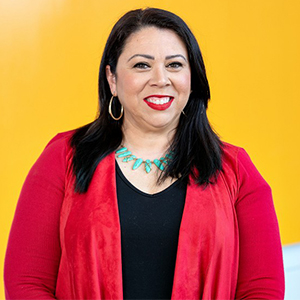
Doctor Stephanie Alvarez
Bio: Dr. Stephanie Alvarez is Professor of Mexican American Studies She served as the founding Director of the Center for Mexican American Studies at University of Texas Río Grande Valley. Alvarez has been recognized by the Carnegie Foundation for Teaching as the U.S. Professor of the Year, the American Association of Hispanics in Higher Education as the Outstanding Latino/a Faculty in Higher Ed award, and the University of Texas System Board of Regents with the Outstanding Teaching Award. As a professor she has been instrumental in the implementation of testimonio as a signature pedagogy in the program, creating service-learning courses for students to engage with the community which has resulted in oral history collections, murals in collaboration with the Smithsonian Institute in the city of San Juan, Texas and multiple collaborations with Pharr San Juan Alamo ISD including a Día de los Muertos Altar Competition She has assisted over a dozen Chicanx/Latinx students in reaching their goal of gaining entrance to a PhD program. She is the co-editor of the book, The AmeRícan Poet: Essays on the work of Tato Laviera, and author of numerous essays on the intersections of education, race, gender, language, identity, and culture.
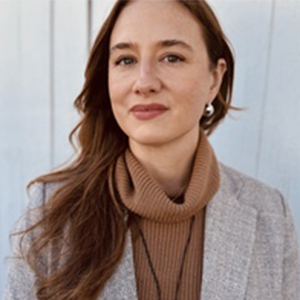
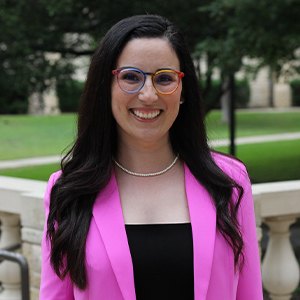
Cathryn Merla Watson
Bio - Cathryn Merla-Watson is an Assistant Professor in Mexican American Studies and Co-Director of Gender and Women’s Studies at the University of Texas-Río Grande Valley. She has published articles in Multi-Ethnic Literatures of the U.S. (MELUS) and Aztlán as well as chapters in The Un/Making of Americans: Citizenship, Cultural Politics, and The Neoliberal State, edited by Eliza Rodriguez y Gibson and Ellie D. Hernández (Palgrave 2014); Research Justice Reader, edited by Andrew Jolivette (Policy Press 2015); and Latina Outsiders: The Remaking of Latina Identity, edited by Grisel Acosta (Routledge 2019). Merla-Watson co-edited (and contributed to) with B.V. Olguín Altermundos: Latin@ Speculative Literature, Film, and Popular Culture (2017). Her current monograph Chicana/o/x Eschatologies: Spiritual Activism in Queer Performance examines how recent queer Chicana/o/x performance deploys the gothic and post/apocalyptic to enact differential affects and eschatologies, thereby engendering social revelation and transformation of the necropolitical.