


 rotate(10)'/%3E%3Cpath d='M.038.113v.15l.15.088.15-.088v-.15L.188.025l-.15.088Z' stroke='%23c44900' stroke-width='.0375' transform='rotate(10)'/%3E%3C/svg%3E)
REU MSE 2026
2026 - REU MSE Fellows:
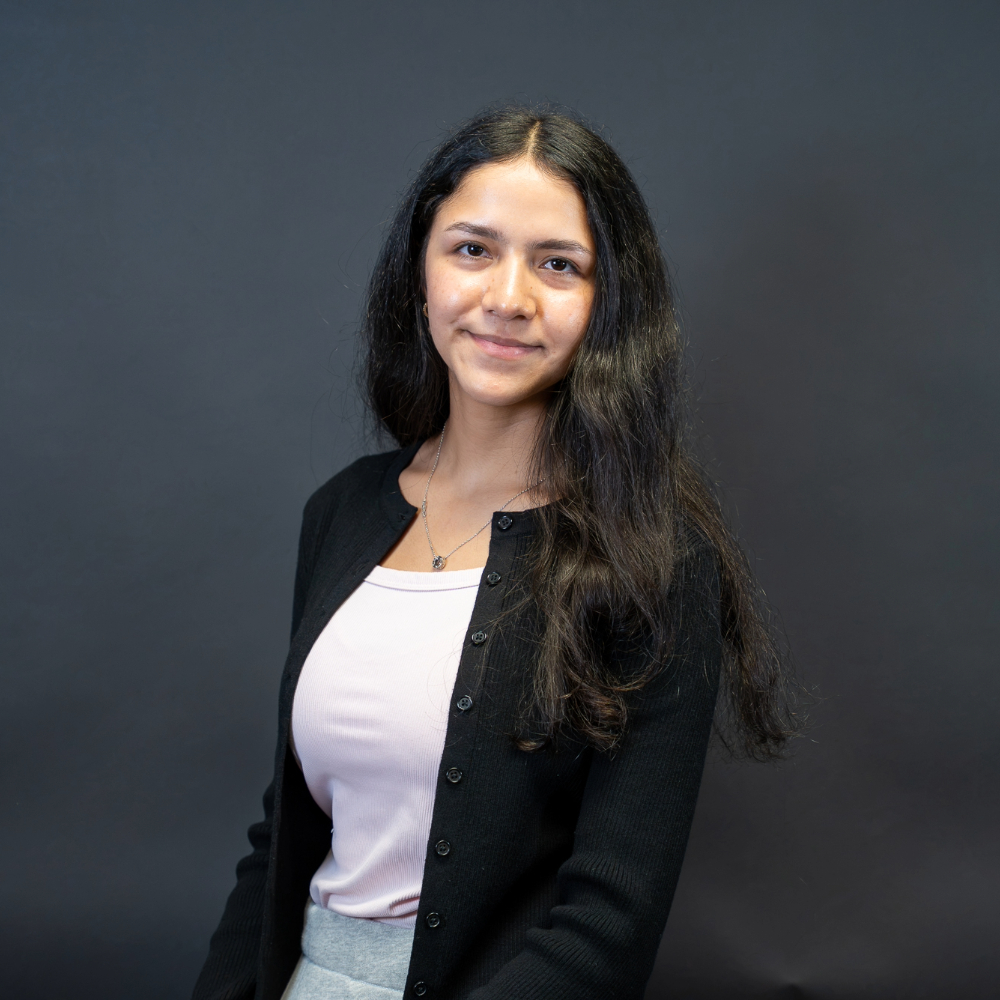
Andrea Fletes
Andrea is an undergraduate student at Vanderbilt University pursuing a Bachelor of Science in Mechanical Engineering. She is currently conducting summer research in Dr. Victoria Padilla’s laboratory, where she is working on activated porous carbon fibers fabricated through centrifugal spinning. Her project investigates how potassium hydroxide (KOH) activation enhances surface area, porosity, and surface chemistry to significantly improve adsorption of aromatic organic compounds compared to non-activated fibers. Previously, she conducted research in Dr. Buchanan’s laboratory at Vanderbilt, studying protein folding dynamics using two-dimensional infrared (2D IR) spectroscopy and synthesizing human islet amyloid polypeptide (hIAPP) to better understand protein misfolding mechanisms.
Andrea is especially interested in applying principles of engineering and physics to solve problems in medicine, with a particular interest in biomedical technologies and medical imaging. She is passionate about translating engineering research into innovations that improve patient care. She will pursue graduate studies following the completion of her undergraduate degree. Outside of academics, she loves baking cookies and homemade granola, reading classic literature, and learning about astronomy.
KOH-Activated Porous Carbon Fibers for Wastewater Treatment
Research objective: Develop activated porous carbon fibers for the adsorption of aromatic contaminants from paper-industry wastewater.
Research approach: PAN-based fibers are fabricated through Forcespinning and treated with potassium hydroxide to introduce porosity and modify their surface chemistry. The materials are characterized using SEM, TGA, and FTIR, with filtration performance evaluated using synthetic wastewater, a syringe filtration system, and UV-Vis spectroscopy.
Scientific significance: This research supports the development of carbon-fiber filtration materials for industrial wastewater treatment.
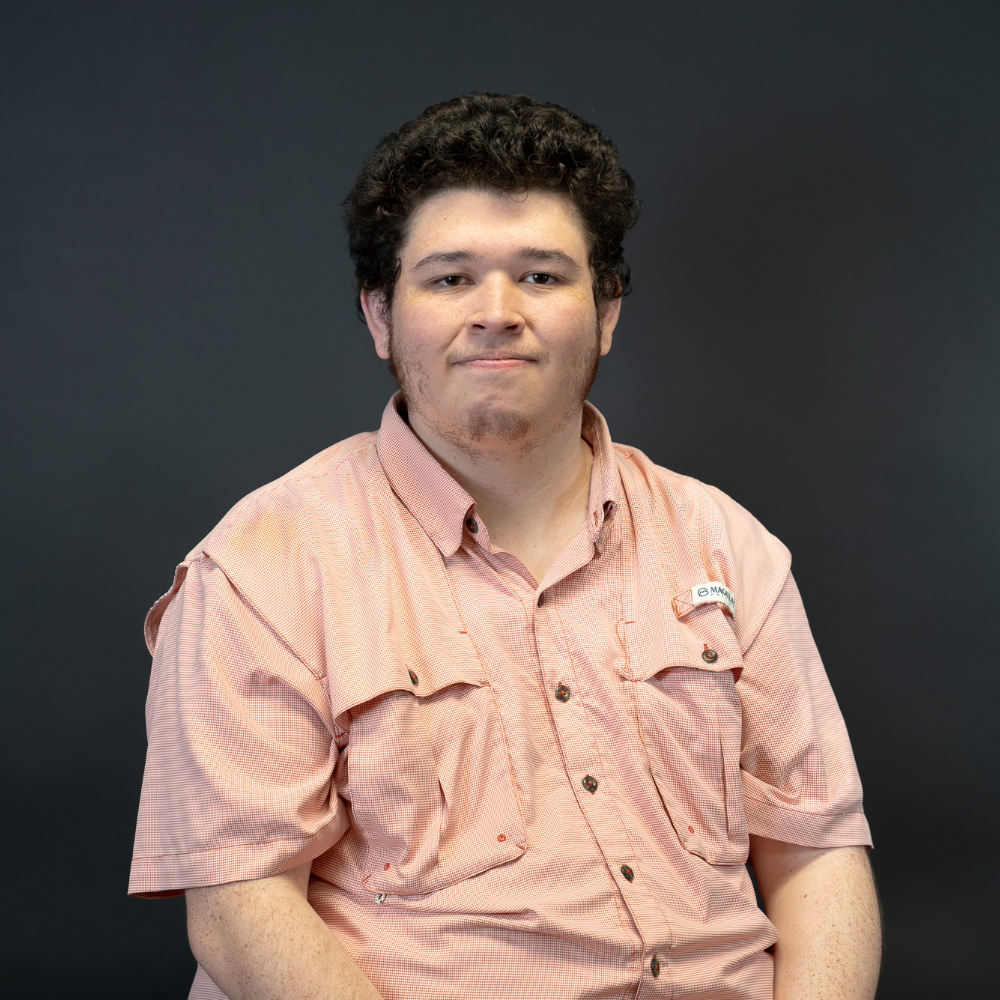
Ethan Hernandez
Ethan Hernandez is a Chemistry student at The University of Texas Rio Grande Valley. Originally from Weslaco, Texas, he graduated from IDEA College Preparatory in Donna and previously studied chemistry at Texas A&M University in College Station before returning to the Rio Grande Valley to complete his bachelor's degree.
Through the NSF Materials Science and Engineering REU, Ethan is gaining hands-on experience in nanomaterials research and developing laboratory techniques that will support his future academic work. He hopes to apply this training to advanced research in chemistry and related materials-science fields.
After completing his undergraduate degree, Ethan plans to attend graduate school and earn a PhD in Chemistry. Outside academics, he enjoys technology, video games, cooking fajitas, and baking brownies.
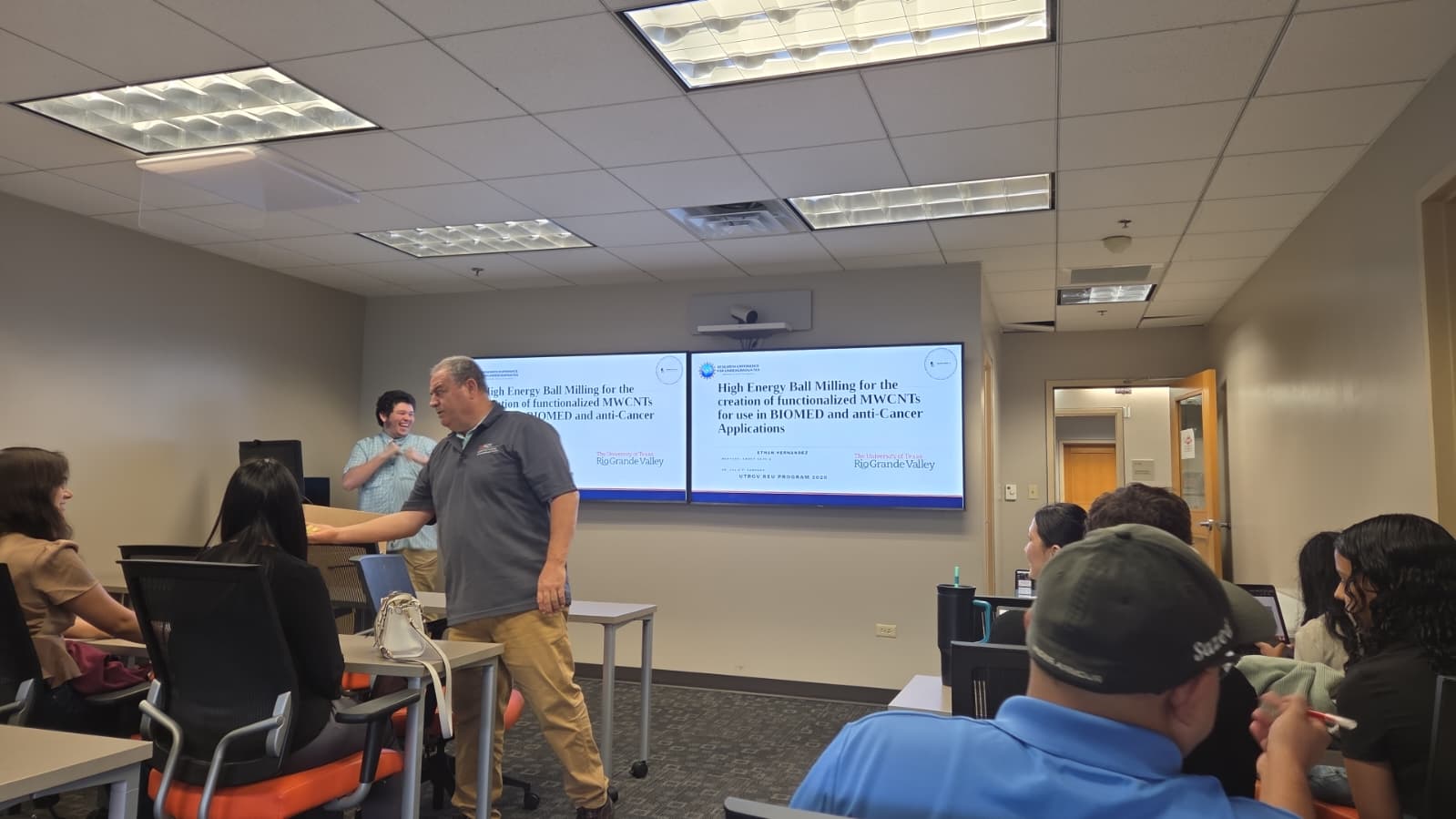
Functionalization of Multi-Walled Carbon Nanotubes through High-Energy Reactive Ball Milling
Research objective: Establish high-energy reactive ball milling as a solvent-minimized and scalable method for functionalizing oxidized multi-walled carbon nanotubes.
Research approach: Oxidized multi-walled carbon nanotubes are mechanochemically functionalized with urea, thiourea, and melamine. Surface modification and structural preservation are evaluated using Raman spectroscopy, XPS, zeta-potential measurements, dispersion testing, and water-contact-angle analysis.
Scientific significance: This research supports a greener route for tailoring carbon-nanotube surface chemistry while preserving the graphitic framework, with potential relevance to biomedical and oncologic material applications.

Faiza Islam
Faiza Islam is a Biology student at The University of Texas Rio Grande Valley. Since June 2025, she has worked as an undergraduate research assistant under Dr. Ahmed Hasnain Jalal, studying sustainable biomaterials for energy and sensing applications.
Her research focuses on fabricating chitosan- and mycelium-based proton exchange membranes. She has gained experience operating Forcespinning® and electrospinning systems to produce nanofiber mats designed for proton conduction. These membranes may support sustainable fuel-cell technologies and power-generation systems for devices such as breathalyzers.
Faiza has presented her work at the UTRGV STEM Research Conference and the SIBCS Research Symposium. She also advanced to the International Science and Engineering Fair, reflecting her commitment to scientific research and innovation.
Sodium Alginate-Pullulan and Chitosan-Pullulan Nanofibrous Proton Exchange Membranes
Research objective: Develop sustainable nanofibrous proton exchange membranes from chitosan-pullulan and sodium alginate-pullulan composites for fuel-cell and sensing applications.
Research approach: Biopolymer solutions are fabricated into nanofiber mats through electrospinning and characterized using scanning electron microscopy, thermogravimetric analysis, Fourier-transform infrared spectroscopy, and X-ray diffraction. The resulting membranes are incorporated into fuel-cell prototypes for electrochemical evaluation.
Scientific significance: Biopolymer-based membranes may provide a lower-cost and more sustainable alternative to conventional proton exchange membranes for power generation and chemical sensing.
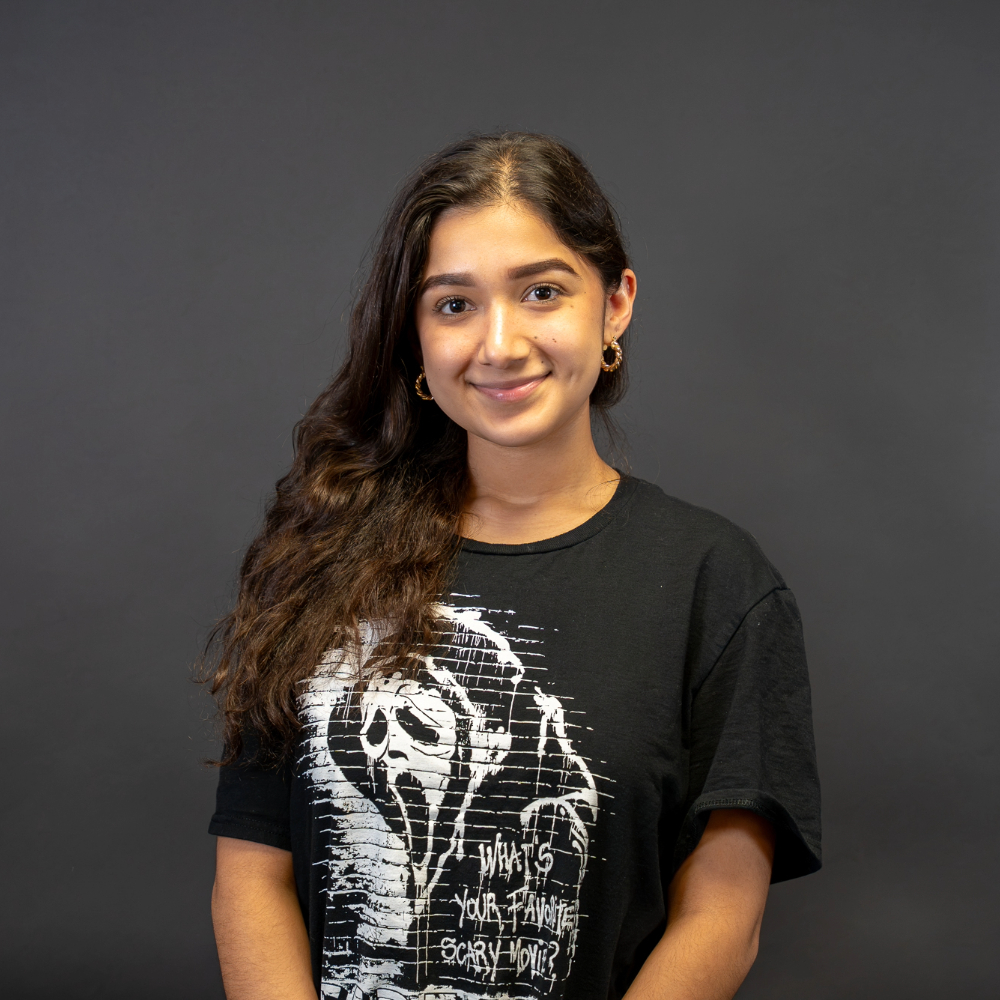
Amanda Lozoya
Amanda Lozoya is an undergraduate student pursuing a Bachelor of Science in Materials Science and Engineering at Texas A&M University, along with a Certificate in Corrosion Engineering. Originally from the Rio Grande Valley, she developed an interest in engineering through hands-on design projects and sustainable energy technologies.
As a participant in the National Science Foundation Research Experiences for Undergraduates program at The University of Texas Rio Grande Valley, Amanda is working under the mentorship of Dr. Gyu Leem. Her research focuses on TiO₂ nanostructured photoelectrodes for photoelectrochemical lignin degradation, including the synthesis and optimization of TiO₂ nanorods and branched nanostructures.
Through this work, she has gained experience in hydrothermal synthesis, thermal annealing, scanning electron microscopy, and photoelectrochemical testing. After completing her bachelor's degree, Amanda plans to pursue graduate study in Mechanical Engineering and a career in sustainable materials research and development.
Photoelectrocatalytic Lignin Depolymerization Using TiO₂ Nanorod Electrodes
Research objective: Optimize TiO₂ nanorod photoelectrodes to improve the photoelectrochemical depolymerization of lignin under mild conditions.
Research approach: TiO₂ nanorod electrodes are fabricated through hydrothermal synthesis and thermal annealing, then characterized using scanning electron microscopy, X-ray diffraction, UV-Vis spectroscopy, and photocurrent measurements. Growth time and reaction conditions are evaluated to determine their effects on charge transfer and photoelectrochemical performance.
Scientific significance: This research supports the sustainable conversion of lignin, an abundant renewable polymer, into higher-value chemical products using light-driven electrochemical processes.
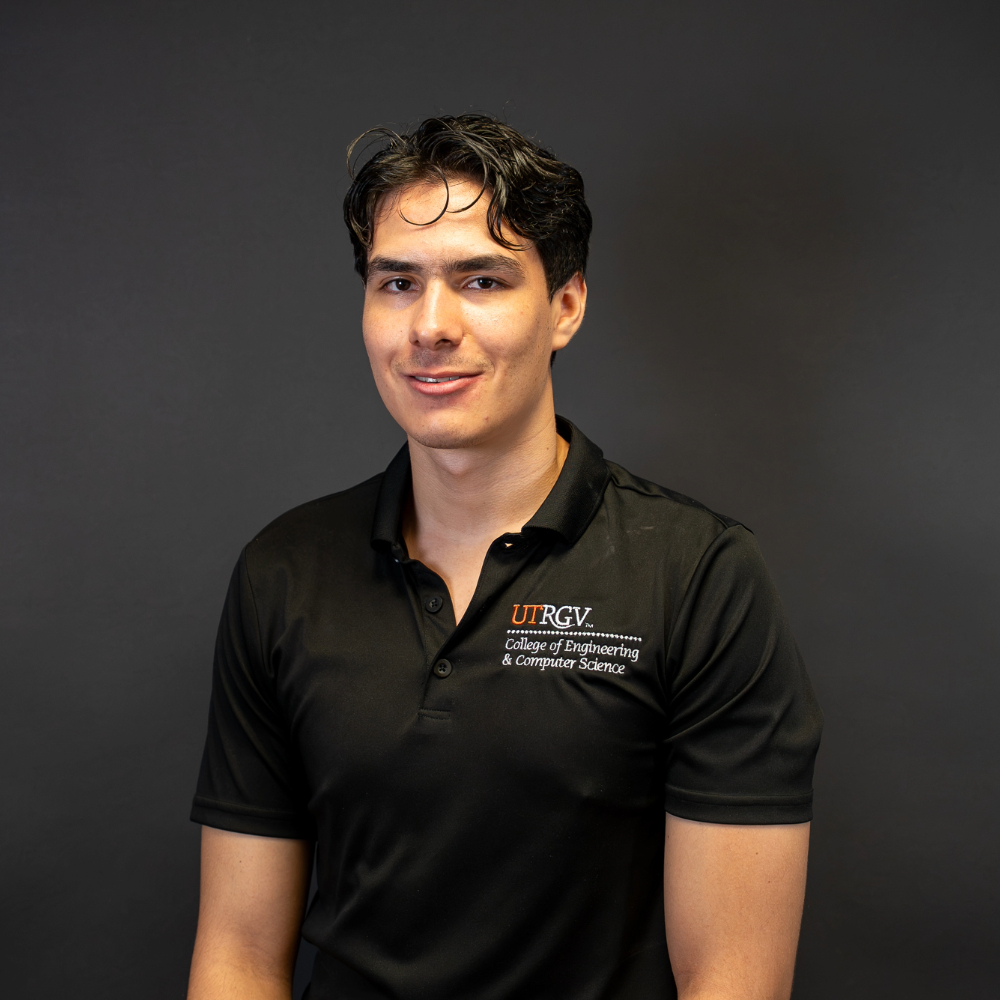
Cairo Molina
Cairo Molina is a Mechanical Engineering student at The University of Texas Rio Grande Valley. Raised between McAllen, Texas, and Reynosa, Tamaulipas, he developed an interest in using science and technology to solve practical problems and create innovative engineering solutions.
In spring 2026, Cairo joined the BioMnM Lab as an undergraduate researcher under the mentorship of Dr. Islam. His research focuses on developing conductive mycelium-based bioadhesives for self-sensing applications, combining sustainable materials with emerging sensing technologies.
Cairo is currently completing his undergraduate degree and preparing to begin his senior design project. After graduation, he plans to pursue a master's degree and contribute to research involving sustainable and innovative engineering materials. Outside academics, he enjoys playing sports and spending time with family and friends.
Conductive Fungal Films Using Mycelium Membranes
Research objective: Fabricate conductive fungal films using mycelium membranes for potential sensing and smart-material applications.
Research approach: Mycelium membranes are coated with a conductive PVA/PEG matrix containing graphene nanoplatelets through repeated dip-coating and freezing cycles. The resulting films are evaluated through physical measurements, electrical resistance testing, and scanning electron microscopy.
Scientific significance: This work supports the development of sustainable, biologically derived materials that combine electrical conductivity with the structural properties of fungal membranes.
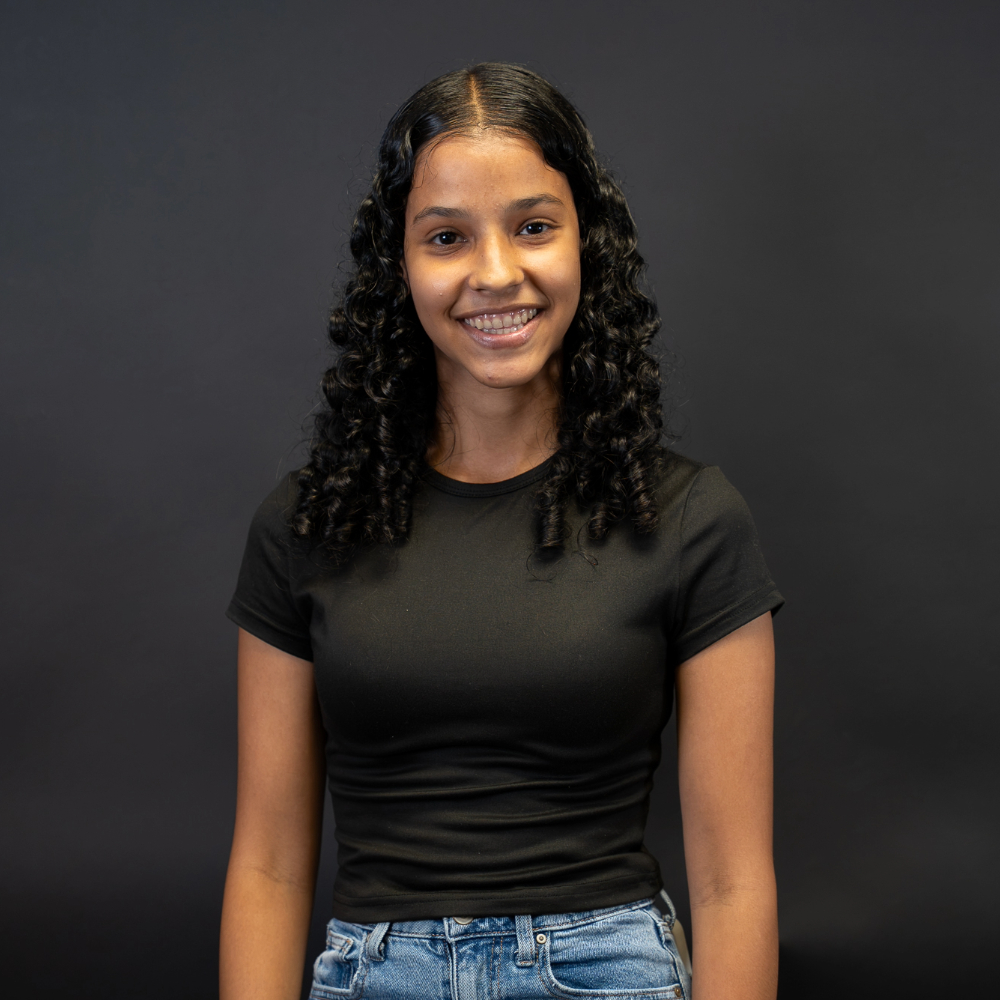
Yaneiska Ruiz Torres
Yaneiska M. Ruiz Torres is an undergraduate Chemistry student at Universidad Ana G. Méndez, Cupey Campus, in Puerto Rico. She began conducting undergraduate research in 2023 under the mentorship of Dr. Lymari Fuentes-Claudio, developing interests in nanomaterials, surface chemistry, and materials characterization.
During the 2026 NSF Materials Science and Engineering REU at The University of Texas Rio Grande Valley, Yaneiska is working under Dr. Julie P. Vanegas in the Nanoworld Vanegas Lab. Her project investigates the solvent-free mechanochemical functionalization of Ti₃C₂Tₓ MXene with molecular ligands and examines how ball-milling conditions affect ligand attachment, surface chemistry, and the structural integrity of the MXene layers.
Through this work, Yaneiska has gained experience with SEM, XRD, DLS, EDS, and XPS characterization. After completing her bachelor's degree, she plans to pursue graduate study in chemistry or materials science and a research career developing advanced functional materials through sustainable fabrication methods.
Mechanochemical Modulation of Surface Chemistry in Ti₃C₂Tₓ MXene
Research objective: Control the surface termination chemistry of Ti₃C₂Tₓ MXene through mechanochemical activation while preserving its layered structure.
Research approach: MXene is ball milled with dopamine and thioglycolic acid under controlled processing times, followed by centrifugation, drying, and characterization using SEM, DLS, XRD, EDS, and XPS. The effects of milling time and ligand type on particle size, morphology, structure, and surface chemistry are evaluated.
Scientific significance: This work establishes a solvent-minimized strategy for tailoring MXene surfaces for potential applications in energy storage, catalysis, and chemical sensing.
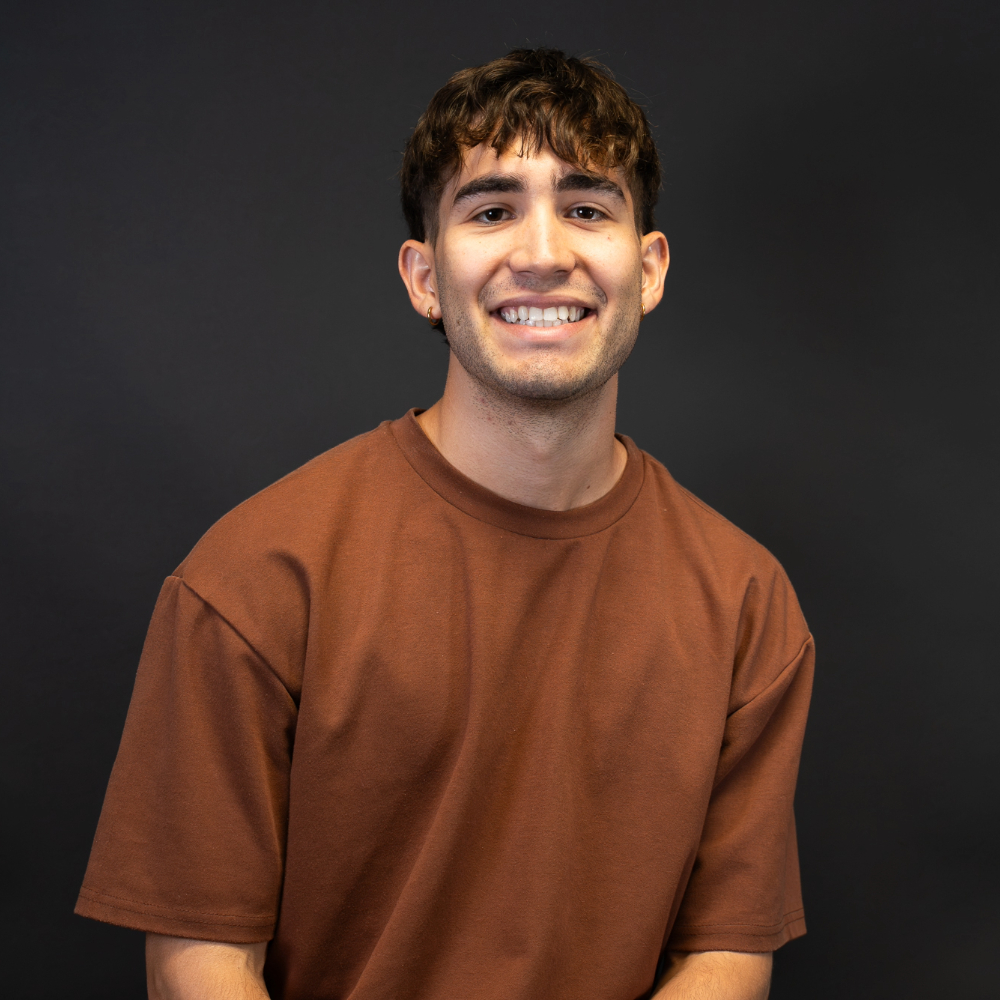
Eduardo Luis Sánchez Santos
Eduardo Luis Sánchez Santos is an Industrial Chemistry student at the University of Puerto Rico at Humacao, where he is expected to graduate in 2028. His interest in research began in high school after representing Puerto Rico at the International Science and Engineering Fair with an engineering project focused on improving the safety of flood-prone bridges.
Eduardo has since gained research experience in nanotechnology and drug delivery through programs at the University of Pennsylvania and the University of Minnesota, as well as NSF-funded research at his home institution. During the 2026 NSF Materials Science and Engineering REU at The University of Texas Rio Grande Valley, he is working under Dr. Fahmida Alam to develop a SPEEK/PVA membrane for recovering valuable aromatic compounds from depolymerized lignin.
Beyond research, Eduardo has served on his university's American Chemical Society Student Chapter board and participated in STEM outreach. He plans to pursue an MD or MD-PhD and become a physician-scientist developing nanotechnology-based drug delivery systems to improve patient care.
SPEEK/PVA Nanofiber Membranes for Aromatic Compound Separation
Research objective: Fabricate a SPEEK/PVA nanofiber composite membrane for the selective separation of aromatic compounds.
Research approach: Sulfonated PEEK membranes are combined with electrospun PVA nanofiber mats and characterized using scanning electron microscopy and X-ray diffraction. Membrane performance is evaluated through continuous-flow filtration of aromatic mixtures, followed by chemical analysis of the collected fractions.
Scientific significance: This work supports the development of sustainable membrane technologies for recovering valuable aromatic compounds from chemically complex mixtures.
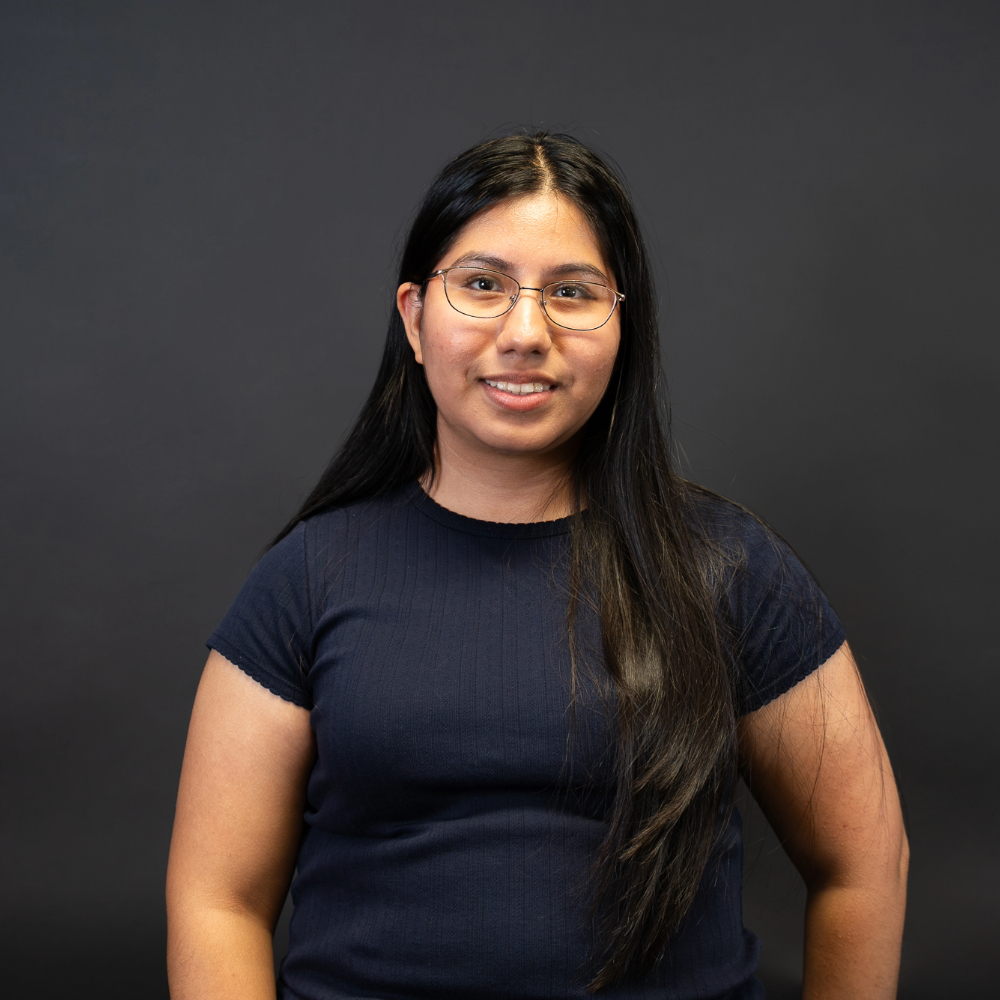
Valeria Tirado
Valeria Tirado is a Mechanical Engineering student at The University of Texas Rio Grande Valley and a research assistant studying silicon anodes for lithium-ion batteries. She is also the second author of a published research paper focused on the characterization of silicon nanofibers.
Valeria previously earned an Associate of Science in Engineering from South Texas College through a dual-enrollment program. Her research experience includes investigating the effects of biochar on water retention in crops at the Texas A&M AgriLife Extension Center and reverse engineering a helicopter rotor at Texas A&M University–Kingsville using SolidWorks, motion analysis, and 3D printing.
Valeria plans to pursue a career in research and contribute to the development of innovative engineering technologies. Outside academics, she enjoys watching movies, gardening, baking, and painting.
Binder Engineering for High-Capacity SiOₓ Anodes
Research objective: Improve the energy density and cycling stability of SiOₓ-based lithium-ion battery anodes through binder optimization and fiber-structure engineering.
Research approach: Silicon oxide anodes are fabricated using controlled PAA/PVDF binder ratios, cured under selected conditions, assembled into coin cells, and evaluated through electrochemical cycling. The influence of binder composition and silicon oxide fiber morphology on specific capacity and cell stability is examined.
Scientific significance: Optimizing binder chemistry and electrode morphology may reduce capacity loss in high-capacity silicon-based anodes and support more durable lithium-ion batteries.