By News and Media Relations
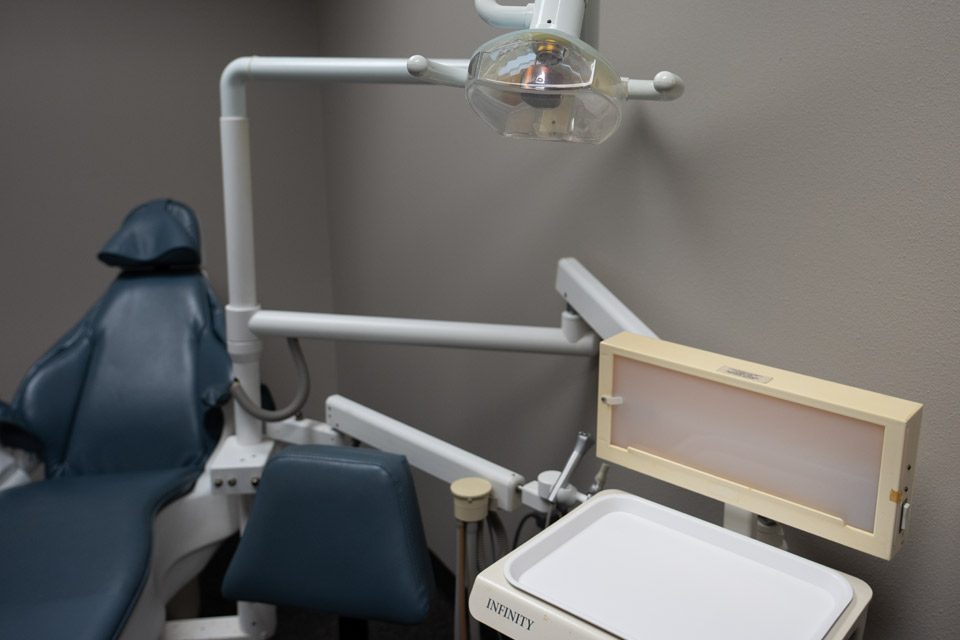
RIO GRANDE VALLEY, TEXAS – NOV. 5, 2026 – Behind a door on the UTRGV campus is a space designed to look and feel like a dental office. The setting is part of a clinical trial aimed at helping children and adolescents overcome dental phobia — an intense fear of dental visits or procedures that can lead people to delay or avoid care.
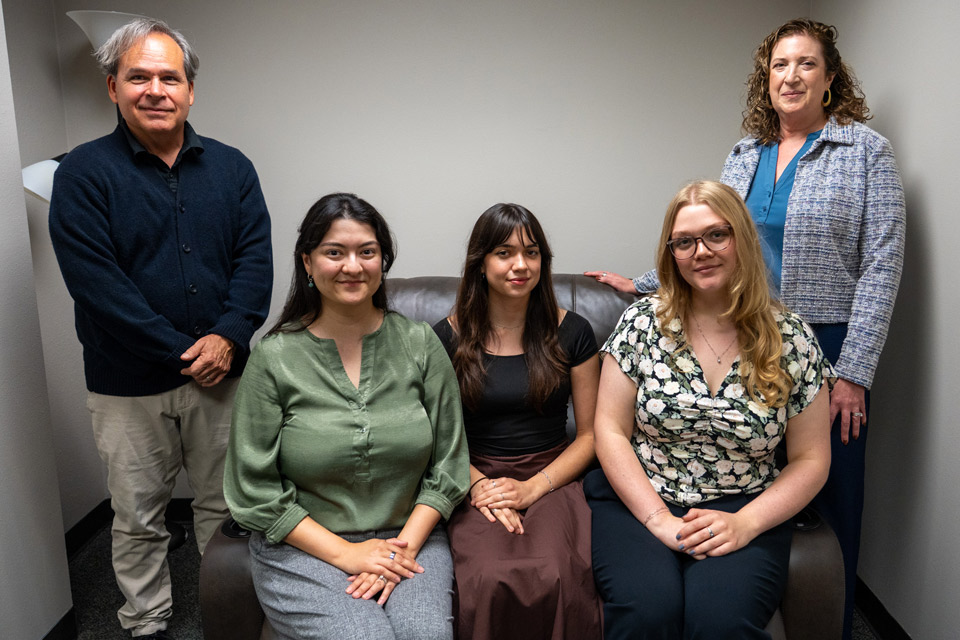
Dr. Laura Seligman and Dr. Joseph Hovey, professors of psychological science in the UTRGV College of Liberal Arts, received a $3 million grant from the National Institute of Dental and Craniofacial Research, part of the National Institutes of Health, for the Study of Anxiety-Free Experiences at the Dentist, or SAFE-D.
As the study’s principal investigators, Seligman and Hovey will lead the four-year trial comparing two evidence-based treatments for children and adolescents with dental phobia. The grant supports the research through April 2030.
The UTRGV team is collaborating with Valley community members and researchers from Arizona State University, Virginia Tech, Yale University, the University of Florida, the University of Toledo and Children’s Hospital Los Angeles.
Seligman said the collaboration highlights UTRGV’s growing research enterprise and demonstrates how research institutions can work with community partners to address real-world challenges.
REMOVING BARRIERS TO DENTAL CARE
About 5% to 20% of children and teens experience high levels of dental anxiety, according to the SAFE-D study team. When fear leads them to avoid appointments, dental problems can go untreated. The study will focus on children ages 7 to 16 who experience severe dental fear or dental phobia.
“Dental phobia isn't simply about being afraid of the dentist,” Seligman said. “For many children, it becomes a barrier to receiving essential healthcare. Our goal is to identify the treatment that works best so children can receive the care they need now and avoid more serious health problems later in life.”
Participants will be randomly assigned to one of two evidence-based treatments rooted in cognitive behavioral therapy. Researchers will compare the approaches to determine which is more effective at reducing dental fear and helping children receive routine oral health care.
Each treatment will be delivered in a single session by a registered dental hygienist under the supervision of clinical psychologists. The study includes five visits, with follow-up assessments one week, six months and 12 months after treatment.
Having dental hygienists deliver the treatments could make them more accessible and support their future use in dental offices.
ROOTED IN THE VALLEY
The research began when Seligman arrived in the Valley a decade ago and community members shared concerns about children whose fear of the dentist prevented them from receiving proper oral health care.
Since then, the team has completed multiple preliminary grant phases required by NIH before securing funding for the full clinical trial.
“This project really grew out of a collaboration between members of the community and faculty researchers at UTRGV,” Seligman said. “While we expect the findings to have a national impact, they're especially important for the Rio Grande Valley because this community helped shape the research from the very beginning.”
Hovey said the community’s involvement extends beyond study participation.
“The community informed the development of the project, serves on our community advisory board and is fully integrated into the research,” he said. “Having dental hygienists provide the treatment creates a direct bridge between research and the people who need it.”
The findings could give dental professionals nationwide a practical, evidence-based approach to helping children overcome dental phobia, with potential benefits beyond oral health.
“Oral health affects much more than your teeth,” Hovey said. “When children avoid dental care because of phobia, they're putting themselves at risk for health problems later in life. By treating the fear early, we're hoping to improve both oral health and long-term overall health.”
HOW FAMILIES CAN PARTICIPATE
SAFE-D is currently seeking participants. Families can begin with a brief phone screening to determine whether a child may qualify. If eligible, the child can be scheduled for a study visit during the same call.
Children must be ages 7–16 and have a suspected dental phobia. Study visits take place on UTRGV’s Edinburg and Brownsville campuses.
For more information, contact the study team at 956-665-3500, email safe-d@utrgv.edu or visit utrgv.edu/safe-d.
UTRGV — The Valley’s University
The University of Texas Rio Grande Valley is The Valley’s University, deeply rooted in the communities it serves and committed to improving lives and expanding opportunities across the region. From keeping a high-quality education affordable and expanding healthcare services to preparing the workforce, advancing research, and supporting economic growth, UTRGV is putting its people, expertise and resources to work for the Rio Grande Valley. The Valley and UTRGV rise together, building a healthier, stronger and more prosperous region.