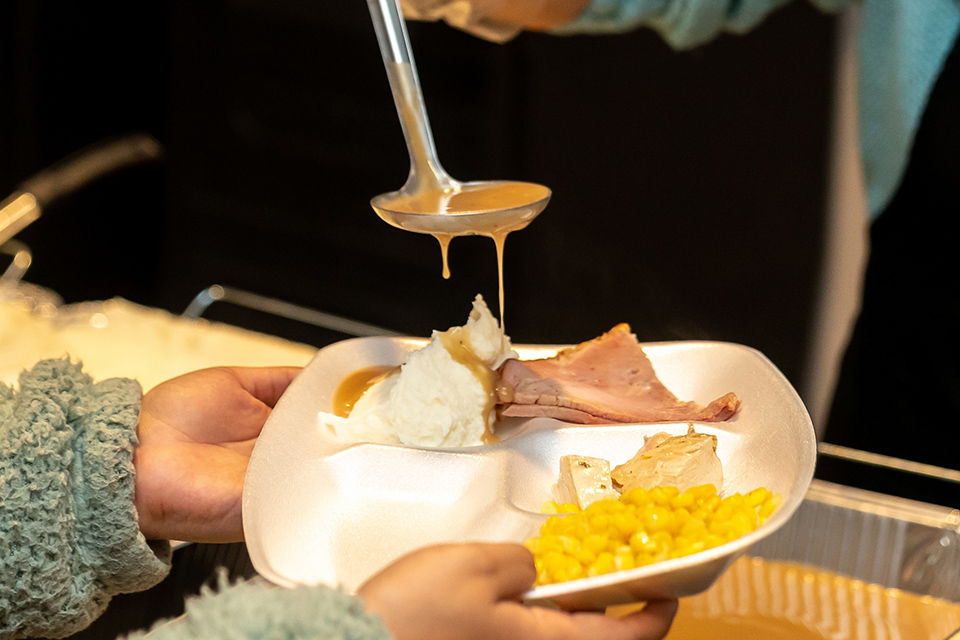
Holiday meals often feature rich foods and generous portions. UT Health RGV gastroenterologist Dr. Juliana Yang says eating in moderation and listening to your body can help prevent reflux, bloating and discomfort. (UTRGV Photo)

News Release | Health
Holiday meals often feature rich foods and generous portions. UT Health RGV gastroenterologist Dr. Juliana Yang says eating in moderation and listening to your body can help prevent reflux, bloating and discomfort. (UTRGV Photo)
Friday, November 20, 2026
Community, Health
By Heriberto Perez–Zuñiga
RIO GRANDE VALLEY, TEXAS — NOV. 23, 2026 — You only get abuela's holiday cooking a few times a year. The mashed potatoes are calling your name, the pumpkin pie isn't going to eat itself, and nobody wants to be the person who skips their favorite dish at Thanksgiving dinner.
But when it comes to holiday eating, knowing when to slow down can make a difference in how you feel long after the meal is over.
Dr. Juliana Yang, gastroenterologist at UT Health RGV, said enjoying the holiday meal doesn't have to mean spending the rest of the evening dealing with heartburn, bloating or indigestion.
Her advice is simple: enjoy the foods you love but pay attention to how much you eat and how your body feels.
"With the holidays coming, no one should deprive themselves," Yang said. "However, it's important to eat in moderation."
TURKEY TROT
Holiday meals often include rich foods, desserts and larger portions than people typically eat. While these dishes are part of what makes the season special, eating too much at once can contribute to acid reflux, bloating and a feeling of fullness or discomfort. 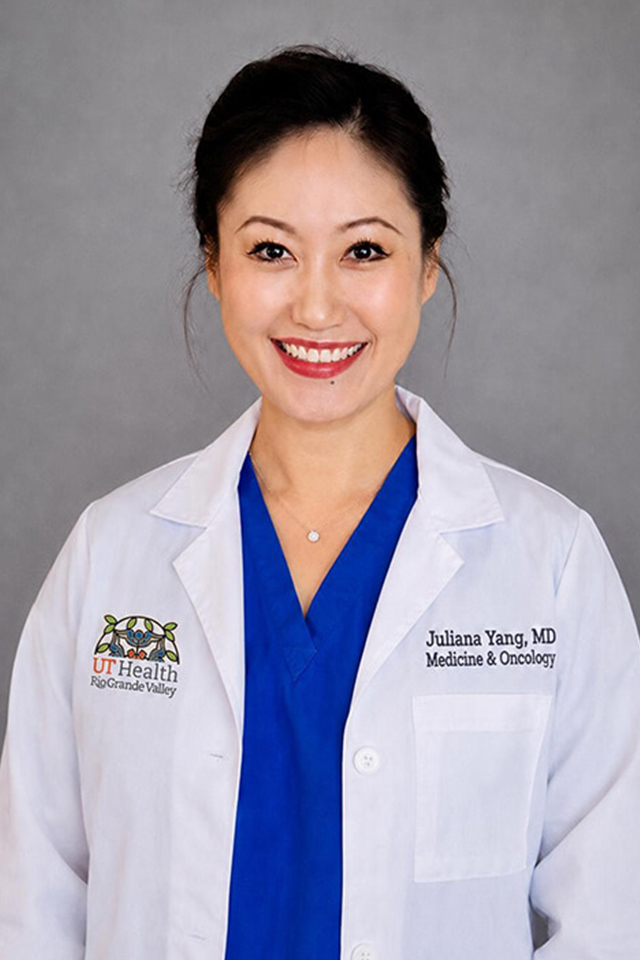 Dr. Juliana Yang, gastroenterologist at UT Health RGV, emphasizes preventive care and early detection to help patients manage digestive conditions. (UTRGV Photo)
Yang recommends eating until about 70% full, rather than waiting until the stomach feels completely full. Eating earlier in the day, drinking plenty of water and avoiding large amounts of spicy, fatty or carbonated foods at once can also help reduce digestive discomfort.
Lying down immediately after a meal may worsen acid reflux, so people should stay upright for at least two to three hours before bed. A short "turkey trot" walk after dinner can help keep people moving and encourage healthy digestive habits.
For Yang, moderation also means making room for nutritious foods, even when the holiday table is filled with traditional favorites.
"Don't forget your fruits, your vegetables, your water, and make sure to also lower your salt intake," she said.
High-sodium meals can contribute to fluid retention and leave people feeling swollen or uncomfortable. Including fruits and vegetables, drinking water throughout the day and balancing richer dishes with lighter options can help people maintain healthier eating habits during the holiday season.
BEYOND THE DINNER TABLE
While heartburn and bloating may be common after a large meal, digestive health affects more than how people feel after eating.
Yang said the digestive system is interconnected with other body systems. The gut microbiome, the microorganisms living in the digestive tract, plays a role in processes that support overall health and well-being.
A balanced diet is key to maintaining digestive health. Yang said one misconception she often encounters is the idea that simply eating less automatically makes someone healthier.
Instead, she emphasizes eating a variety of foods and maintaining a balanced diet.
In the Rio Grande Valley, Yang said, some of the common gastrointestinal conditions she sees include:
Diets high in fat and low in fiber, fruits and vegetables can contribute to digestive health concerns. Gradual changes to eating habits can help people build routines that last beyond the holidays.
KNOW THE SIGNS
Occasional indigestion after a large meal may not be cause for concern, but recurring symptoms should not automatically be attributed to overeating.
Yang encourages people to seek medical evaluation when they notice changes in their usual well-being, including persistent nausea, vomiting, abdominal pain, bloating or acid reflux.
UT Health RGV offers gastrointestinal services ranging from routine and surveillance colonoscopies to upper endoscopy and advanced procedures used to diagnose and treat certain conditions, including cancers of the digestive system.
She also emphasizes preventive care, including colorectal cancer screening. For people at average risk, screening is recommended beginning at age 45, although those with a family history or other risk factors may need to begin earlier. Patients should speak with their health care provider about the screening schedule appropriate for them.
The holiday season is a good time to enjoy meals with family and friends, but Yang encourages people to stay attentive to their health year-round.
For her, the goal isn't to give up favorite foods, but to find a balance that lets people enjoy their meals and feel their best afterward.
For more information about digestive health or to schedule an appointment with a UT Health RGV gastroenterologist, visit www.uthealthrgv.org.
UTRGV — The Valley's University
The University of Texas Rio Grande Valley is The Valley's University, deeply rooted in the communities it serves and committed to improving lives and expanding opportunities across the region. From keeping a high-quality education affordable and expanding healthcare services to preparing the workforce, advancing research, and supporting economic growth, UTRGV is putting its people, expertise and resources to work for the Rio Grande Valley. The Valley and UTRGV rise together, building a healthier, stronger and more prosperous region.