By Heriberto Perez–Zuñiga
RIO GRANDE VALLEY, TEXAS – NOV. 12, 2026 – The moments that matter the most are not always the big ones.
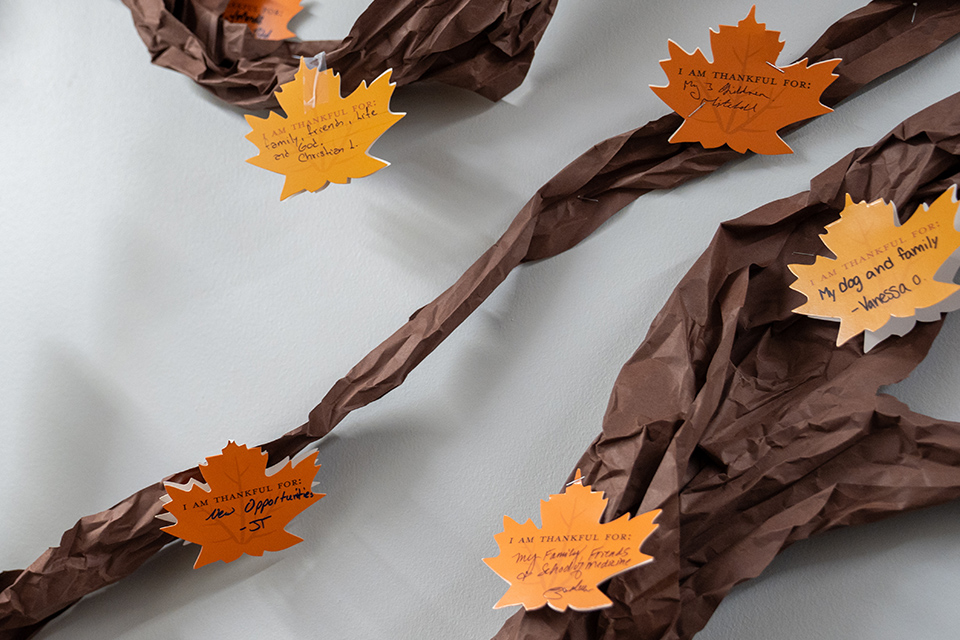
For people experiencing anxiety, depression or uncertainty, it can be easy to lose sight of their strengths, available support and ability to work through difficult situations.
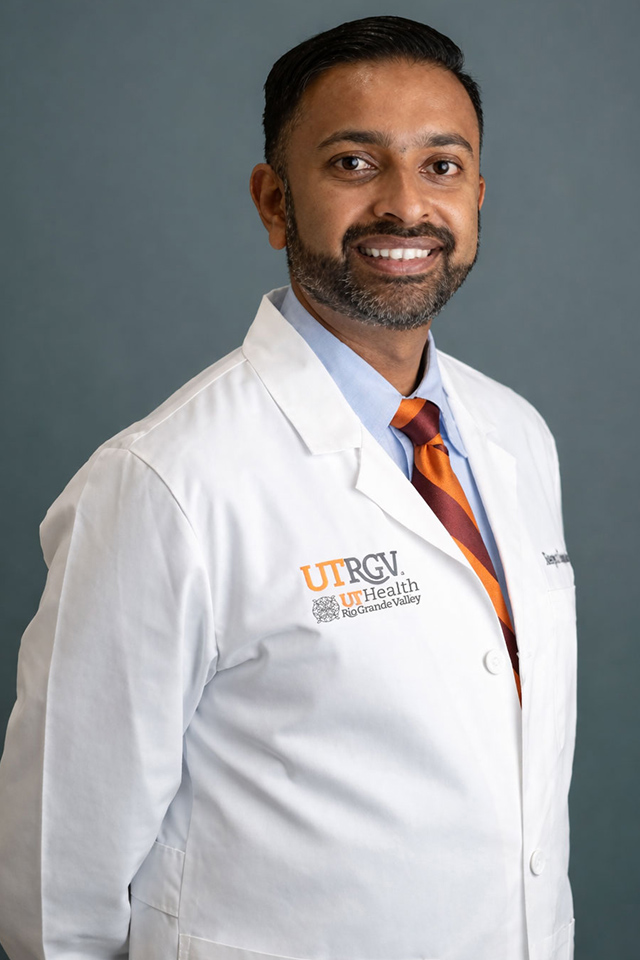
Dr. Deepu George, primary care behavioral health consultant and licensed marriage and family therapist at UT Health RGV, said practicing gratitude can help people reconnect with the positive experiences and relationships they may overlook during stressful times.
"Gratitude brings us to the present moment," George said. "Remembering the things we are thankful for can shift how we feel in that moment by expanding our psychological and emotional bandwidth. It can be grounding and bring us a sense of peace, which are essential ingredients for our resilience and growth."
BUILDING RESILIENCE
Making gratitude part of everyday life can help people recognize those resources and approach challenges with a different perspective, he said.
However, George stressed that practicing gratitude does not mean ignoring sadness, frustration or grief. He cautioned against the expectation that people should always maintain a positive outlook, even when facing difficult circumstances.
"Two things can be true at one time, such as feeling gratitude and also acknowledging that life might not be going well right now," George said.
"Acknowledging things as they are and leaning into all emotions is part of being resilient. When uncertainty or loss enters our lives, the goal is not to increase certainty, especially when we are not able to. Gratitude helps in keeping you afloat amidst the difficulty."
He said people can experience difficult emotions while still appreciating the small things that bring comfort, such as connecting with someone, taking a walk outside or receiving a hug.
CARING FOR YOUR HEALTH
And while gratitude can help people stay in the present moment, it can also influence how they approach their health and the steps they take to maintain it.
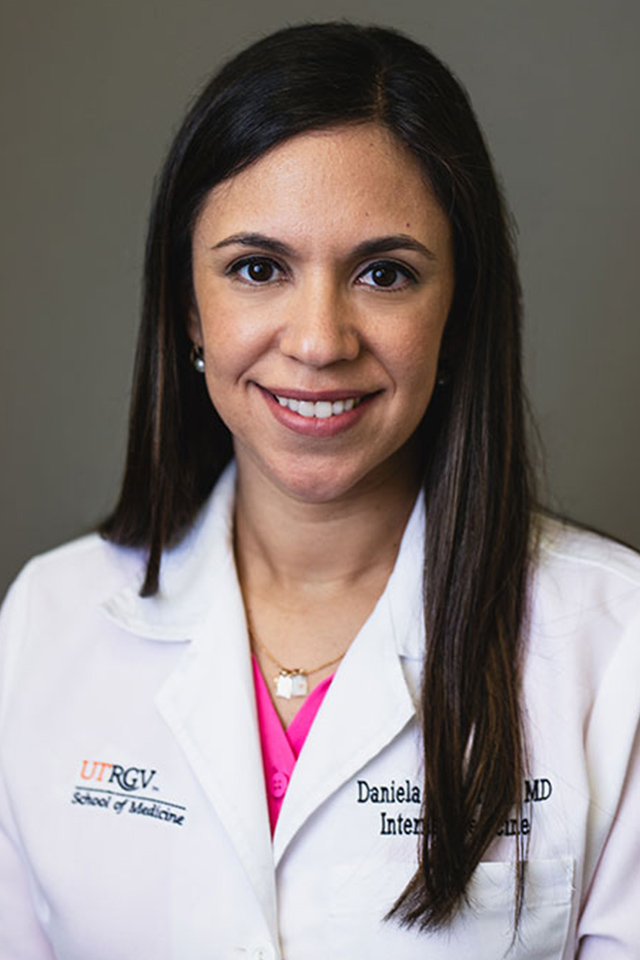
For Dr. Daniela Hernandez, internal medicine physician at UT Health RGV, something as simple as waking up another day and spending time with family and friends is reason enough to be grateful.
She said that appreciation can also influence how people approach their health and the steps they take to maintain it.
"When you appreciate the health that you have, you want to take care of it," Hernandez said.
As families gather around the table this Thanksgiving, many will take a moment to reflect on what they are thankful for. But practicing gratitude throughout the year can also help people manage stress or navigate health challenges.
For patients living with chronic conditions or facing difficult diagnoses, that perspective can be especially valuable. Hernandez said recognizing what they can do and the steps they can take to manage their health can help patients stay committed to their care.
"We often see it in patients who are grateful for the things they can do and take control of. That really moves into having a healthier life and managing those chronic conditions," Hernandez said.
A difficult diagnosis can often bring uncertainty and make it harder for patients and families to navigate everyday life.
However, Hernandez said recognizing the things they can control can help them stay focused on their health and follow through with their treatment plans.
That includes taking medications as prescribed, getting enough sleep, following a healthy diet and staying physically active.
"Lifestyle is so important in the care of any medical condition," Hernandez said.
She also said that recognizing and accepting support from others can make a meaningful difference.
"We cannot do this by ourselves," she said. "Family, friends and health care professionals can all play an important role, particularly when someone is navigating a chronic illness."
EVERYDAY GRATITUDE
Both physicians encourage people to make gratitude part of their daily routines rather than limiting it to the holiday season.
"A grateful heart doesn't need a calendar," Hernandez said. "It's the everyday gratefulness that makes a big impact, even for the little things."
George also suggests keeping a gratitude journal for 21 days, writing down three new things to be thankful for each day and why they are meaningful.
"The less significant you think it is, the better it is. It could be the smallest thing: ability to speak, have a friend, ability to breathe, ability to have a good night’s sleep," George said. "Even in moments of difficulty, you can find moments of grace and privilege."
He encourages people to look beyond major milestones and recognize the small moments that bring comfort and happiness to everyday life.
"Taking a moment to recognize these experiences can help people shift their perspective," Hernandez said. "Appreciate the support around you and stay connected to what matters most, even during challenging times."
As Thanksgiving approaches, both physicians encourage families to make time for gratitude and remember that caring for their health also means recognizing the people, experiences and everyday moments that make life meaningful.
For more information about primary care services, visit UTHealthRGV.org.
UTRGV — The Valley's University
The University of Texas Rio Grande Valley is The Valley's University, deeply rooted in the communities it serves and committed to improving lives and expanding opportunities across the region. From keeping a high-quality education affordable and expanding healthcare services to preparing the workforce, advancing research, and supporting economic growth, UTRGV is putting its people, expertise and resources to work for the Rio Grande Valley. The Valley and UTRGV rise together, building a healthier, stronger and more prosperous region.