By Maria Gonzalez
RIO GRANDE VALLEY, TEXAS – SEPT. 16, 2026 – UTRGV graduate interns have provided school-based mental health services to more than 23,600 Rio Grande Valley students through three federally funded projects designed to expand access to care and strengthen the region’s mental health workforce.
As students return to classrooms for the new school year, the initiatives will continue placing interns from UTRGV’s counseling, school psychology and social work programs in local schools. The projects are funded through December 2027.
From fall 2023 through spring 2026, 191 interns served pre-K-12 students across 12 partner school districts. More than 23,600 students received individual or group counseling. That figure does not include assessments, classroom interventions, crisis services, prevention programs or presentations also provided by the interns.
The projects are supported by three U.S. Department of Education grants, under the Mental Health Service Professional Demonstration Grant (MHSP) Program, totaling $17.1 million.
The MHSP Program provides competitive grants to support and demonstrate innovative partnerships to train school-based mental health service providers for employment in schools and local educational agencies.
“Through these Department of Education grants, UTRGV is increasing the number of school-based mental health professionals serving the Rio Grande Valley,” said Dr. Can Saygin, interim provost and executive vice president for Academic Affairs, senior vice president for Research, and dean of the Graduate College. “By investing in our graduate students and working alongside local school districts, we are building a workforce that will continue serving our communities well into the future.”
THREE FEDERAL GRANTS
The three U.S. Department of Education grants are:
- Project Mental Health Services (MHS) ACCESS: Accessing Mental Health Services – $5.7 million
- Project MHS ACCESS 2: Accessing Mental Health Services – $5.6 million
- Project Mental Health Services Demonstration Grant Program (MHS DGP): A Mental Health Initiative Demonstration Grant Program for Non-traditional Schools in the Rio Grande Valley – $5.8 million
Project MHS ACCESS began in January 2023. The other two projects began in April 2023.
MHS ACCESS partners with Edcouch-Elsa, Harlingen, McAllen, Mission, PSJA and Sharyland school districts. MHS ACCESS 2 works with Edinburg, La Feria, Laredo and Mercedes school districts, while MHS DGP partners with IDEA Public Schools and South Texas Independent School District.
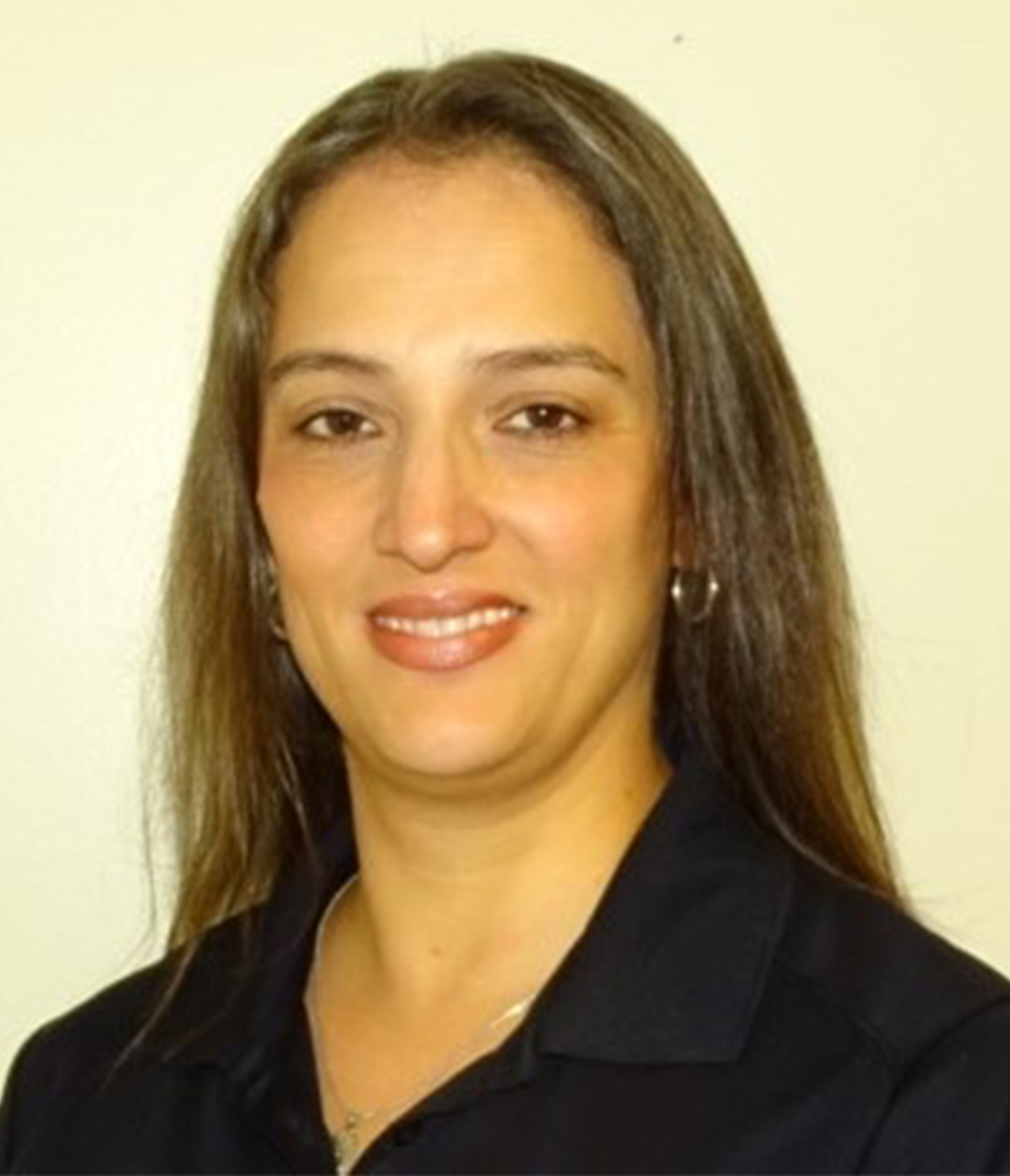
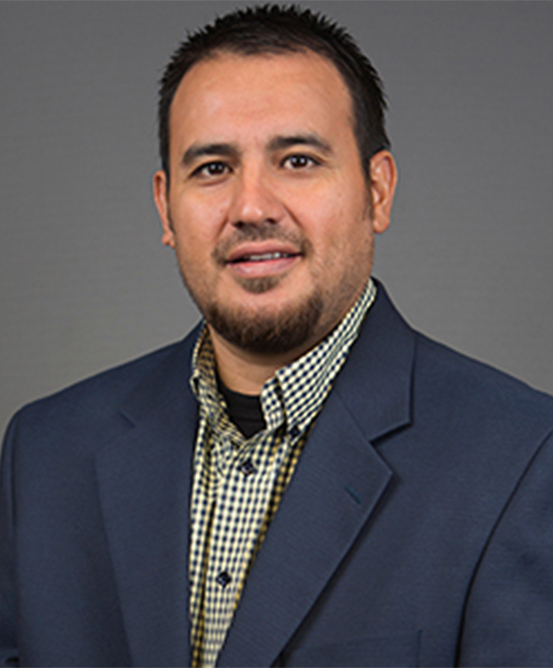
Dr. Nancy Peña Razo, clinical professor in UTRGV’s Department of Human Development and School Services, is principal investigator for the two ACCESS projects and co-principal investigator for MHS DGP. Dr. Noe Ramos, an associate professor in the department, is principal investigator for MHS DGP and co-principal investigator for the ACCESS projects.
Razo said the interdisciplinary model helps interns and district staff understand how counseling, school psychology and social work can complement one another.
“The most successful districts have learned to have school psychology, counseling and social work interns work together and learn from each other in order to make the greatest impact on kids,” she said.
TRAINING THE NEXT GENERATION
The projects give graduate students experience working alongside professionals from related fields while helping districts coordinate services. Federal funding also provides intern stipends, reducing the need for students to work additional jobs during their training.
At least 33 former interns have been hired in the Rio Grande Valley, according to project leaders. Employment information for some recent participants is still being collected.
UTRGV graduate Natalie Mora completed a two-semester internship at South Texas Independent School District. She said the experience strengthened her counseling, communication and organizational skills and increased her confidence working with a range of people and cases.
“I walked away with much more than a degree or an internship experience,” Mora said. “I walked away with greater confidence in myself and, most importantly, a growing belief that I can do hard things.”
Mora said the stipend eased her financial stress and allowed her to focus on her training. She has since passed the National Counselor Examination and received her LPC-Associate license.
Ramos, who oversees implementation of Project MHS DGP and helps lead the other two initiatives in collaboration with UTRGV faculty, grant staff and partner school systems, said participating districts are integrating mental health services into their schools, so students receive consistent support before concerns escalate into crises.
“When student mental health is addressed consistently, on a weekly basis rather than only in moments of crisis, schools feel calmer, more responsive and more connected,” he said.
MHS DGP researchers track three indicators associated with positive mental health: life satisfaction, hope and grit. Ramos said many participating students have shown clinically significant improvement in those areas. The research has resulted in one published manuscript, with two additional manuscripts in the publication-review process.
IDEA Public Schools is among the participating school organizations. Dr. Ashley Wheeler, senior vice president of special programs at IDEA Public Schools, said the partnership is strengthening the support systems students need to feel secure and ready to learn.
“Having UTRGV graduate interns in our schools has expanded our capacity to provide our scholars with timely, school-based mental health support,” Wheeler said. “Their presence gives our teams additional support to identify students who may need help, connect families with resources and provide interventions earlier.”
ADDRESSING A REGIONAL NEED
Razo said placing graduate interns in schools is especially important because the Health Resources and Services Administration (HRSA) has designated the Rio Grande Valley as a Health Professional Shortage Area (HPSA), reflecting the region’s shortage of mental health professionals. Having counseling, school psychology and social work interns readily available also can help reduce the stigma associated with seeking care.
“The grant interns have helped break the stigma so more students can receive help,” she said. “Once the interns graduate, the goal is for them to be hired as school-based mental health professionals and continue helping children in the Rio Grande Valley.”
The projects will continue placing and training UTRGV graduate interns in partner districts through December 2027.
UTRGV – THE FUTURE OF TEXAS
The University of Texas Rio Grande Valley is shaping The Future of Texas by delivering a high-quality, affordable university experience centered on student success, academic excellence, research, healthcare and community impact. With tuition among the lowest in Texas, UTRGV gives its 35,000 students the opportunities of a major university, including Division I athletics and a new football program, while delivering exceptional value for Texas families. The only university in Texas with schools of Medicine, Podiatric Medicine and Optometry, UTRGV serves South Texas across nine communities while driving innovation and developing the talent that will move Texas forward.