By Heriberto Perez–Zuñiga
RIO GRANDE VALLEY, TEXAS – APRIL 7, 2026 – You wake up after surgery expecting to feel sore. What surprises you is how suddenly simple tasks – opening a jar, lifting a grocery bag or typing – become difficult and overwhelming.
For many patients recovering from injury or surgery, regaining strength and mobility takes time. According to the American Occupational Therapy Association, occupational therapy helps people of all ages recover or maintain the skills needed for everyday activities and independence.
As Occupational Therapy Awareness Month begins in April, UT Health RGV experts urge Rio Grande Valley residents not to wait until pain or limited mobility interferes with daily life. The advice is especially important in a region with some of the highest diabetes and obesity rates in Texas – conditions closely linked to joint pain and loss of function.
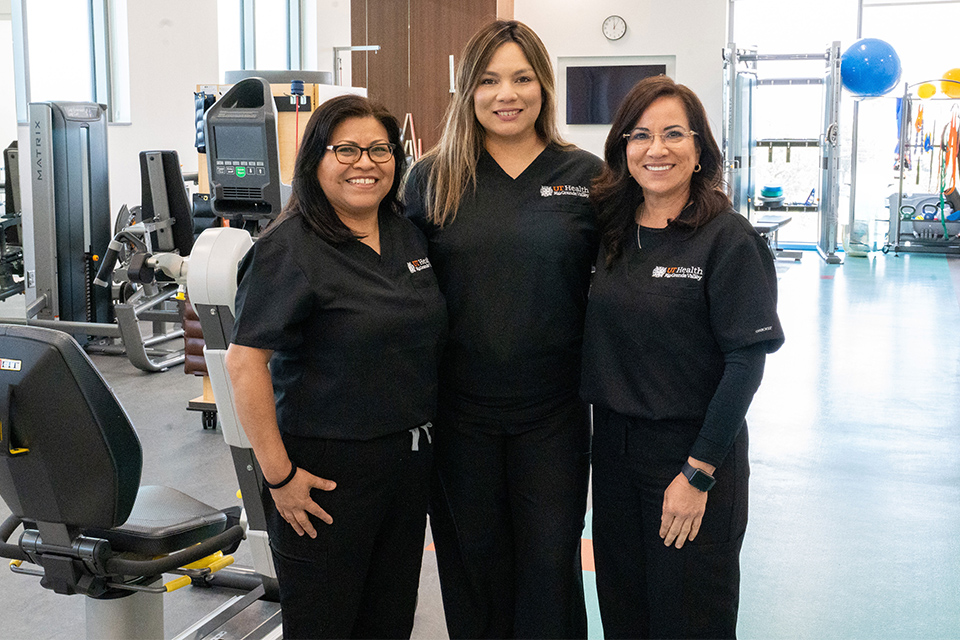
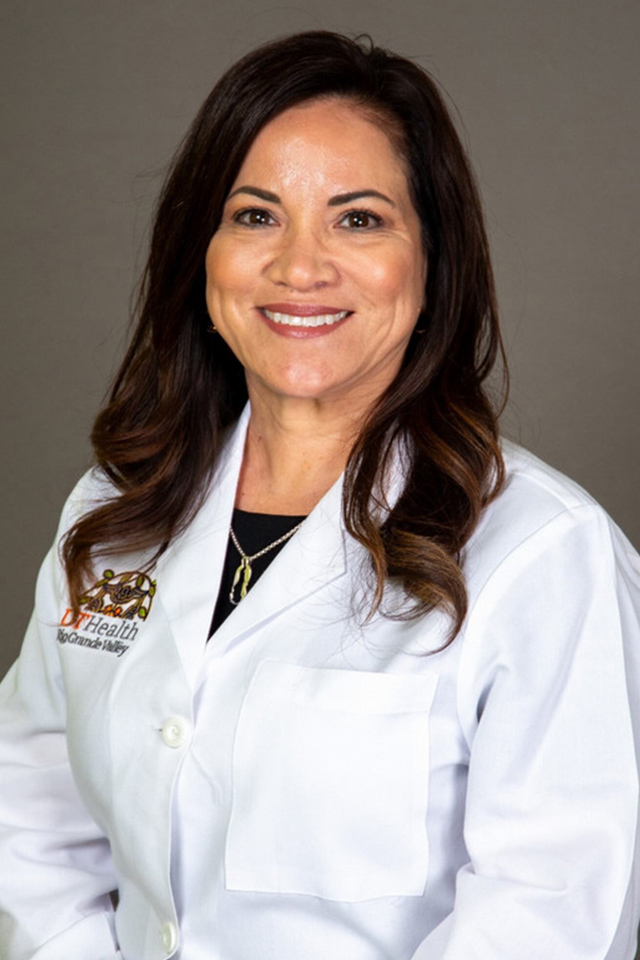
Dr. Dorinda Rodriguez, clinical rehab manager at UT Health RGV, said occupational therapy is an important resource for residents dealing with pain, limited mobility or recovery after injury or surgery.
"Occupational therapists work with people of all ages who may have difficulty performing daily tasks due to injury, weakness, pain or limited mobility," Rodriguez said. "Our goal is to help patients regain the ability to perform everyday activities safely and return to the routines that are important to them."
RESTORING EVERYDAY FUNCTION
Nereida Montanez, occupational therapist at UT Health RGV, said therapy helps patients rebuild the strength, coordination and mobility needed to perform daily tasks that many take for granted. During therapy, occupational therapists guide patients through targeted exercises and treatments designed to restore movement and strength while reducing swelling and discomfort.
"We work on activities that help patients regain range of motion, improve strength and return to daily activities like holding a mug, brushing their hair or returning to work," Montanez said.
Dr. Alysa Herrera, occupational therapist at UT Health RGV, said patients come from a wide range of backgrounds and medical conditions.
"We see patients recovering from injuries, surgeries or chronic conditions affecting the shoulder, elbow, wrist or hand," Herrera said. "This can include fractures, tendon injuries, nerve conditions, arthritis or swelling related to lymphedema."
Patients do not need a major injury or surgery to benefit from therapy.
"Many patients come to us with pain, weakness, stiffness or difficulty performing tasks like gripping objects, typing or lifting," Herrera said. "Early intervention can help prevent symptoms from worsening and improve overall function."
Occupational therapy can also address more complex rehabilitation needs through specialized care such as hand therapy and lymphedema management.
"Our lymphedema program provides comprehensive care including manual lymphatic drainage, compression therapy, skin care education and individualized home programs," Herrera said. "These treatments help patients manage swelling, prevent complications and improve comfort and function."
Lymphedema – swelling caused by disruptions in the lymphatic system – is commonly associated with cancer treatments such as lymph node removal or radiation therapy.
Offering these services locally helps Rio Grande Valley patients access specialized rehabilitation close to home.
TAKING THE FIRST STEP
For community members experiencing pain, limited mobility or difficulty using their hands or arms, Rodriguez recommends starting with a primary care provider or specialist.
"Your provider can evaluate your concerns and provide a referral for an occupational therapy evaluation," she said.
During an initial evaluation, therapists assess range of motion, strength, coordination, pain, swelling and the patient’s ability to perform daily activities. From there, therapists develop a personalized treatment plan to restore function and improve independence.
"Many patients begin working on exercises or home programs during their first visit," Rodriguez said. "Little by little, they start gaining confidence again and getting back to the things they enjoy doing.”
To learn more about rehabilitation services at UT Health RGV, visit UTHealthRGV.org.
ABOUT UTRGV
Celebrating its 10th anniversary during the 2025-26 academic year, The University of Texas Rio Grande Valley is on a mission to serve the Rio Grande Valley and beyond via an innovative and unique education dedicated to student access and success. As one of the country’s largest Hispanic-Serving Institutions and Seal of Excelencia-certified university, UTRGV has earned national recognition for its academic excellence, social mobility, and student success since opening in fall 2015. Ranked among the Best Colleges for Your Tuition (and Tax) Dollars in 2025 by Washington Monthly (No. 7 nationally; No. 1 in Texas), UTRGV continues to break enrollment records, launch new academic and athletics programs, and progress toward achieving R1 research status. Additionally, UTRGV holds the Carnegie Community Engagement Classification, awarded in 2020 and 2025, reflecting its commitment to strengthening community ties and addressing local challenges.
The only university in Texas with schools of Medicine and Podiatric Medicine, UTRGV’s regional footprint spans South Texas — with locations, teaching sites, and centers established in Edinburg, Brownsville, Rio Grande City, McAllen, Weslaco, Harlingen, Laredo, Port Isabel and South Padre Island.