By Heriberto Perez–Zuñiga
RIO GRANDE VALLEY, TEXAS – APRIL 16, 2026 – Before starting radiation therapy, Bruce Curry planned to travel to San Antonio for care. After weeks of waiting and weighing the costs of travel and time away from home, he decided to try treatment closer to the Rio Grande Valley and stayed.
“When I got here, people were wonderful. The facility was great, and the people are engaging,” Curry said.
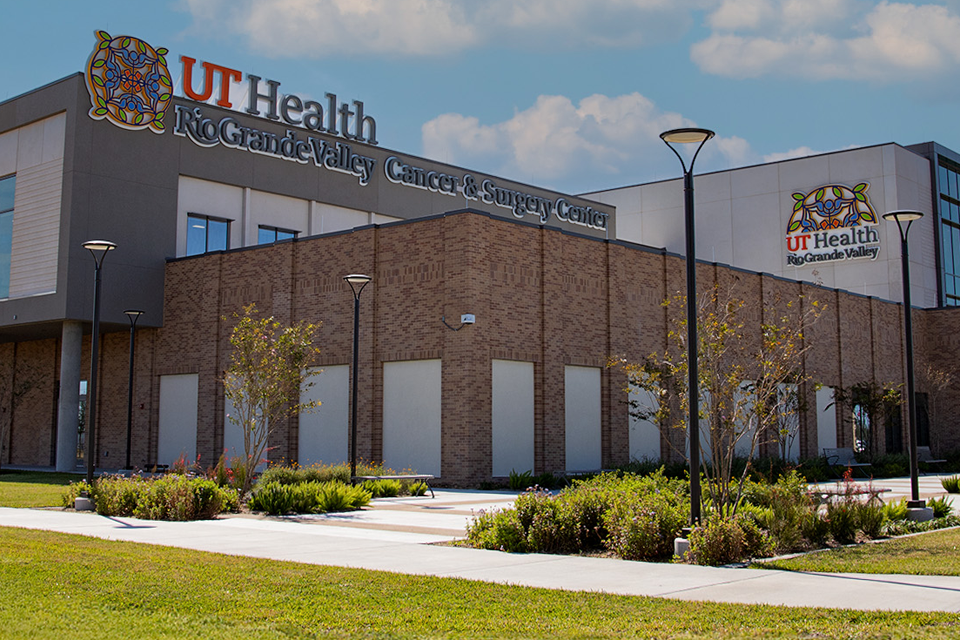
He is now completing his final week of radiation at the UT Health RGV Cancer and Surgery Center, one of many patients benefiting from expanded radiation oncology services in the Valley.
As April marks National Cancer Control Month, physicians at UT Health RGV said improved access to advanced treatment locally is an important step toward earlier diagnosis and treatment.
CARE CLOSER TO HOME
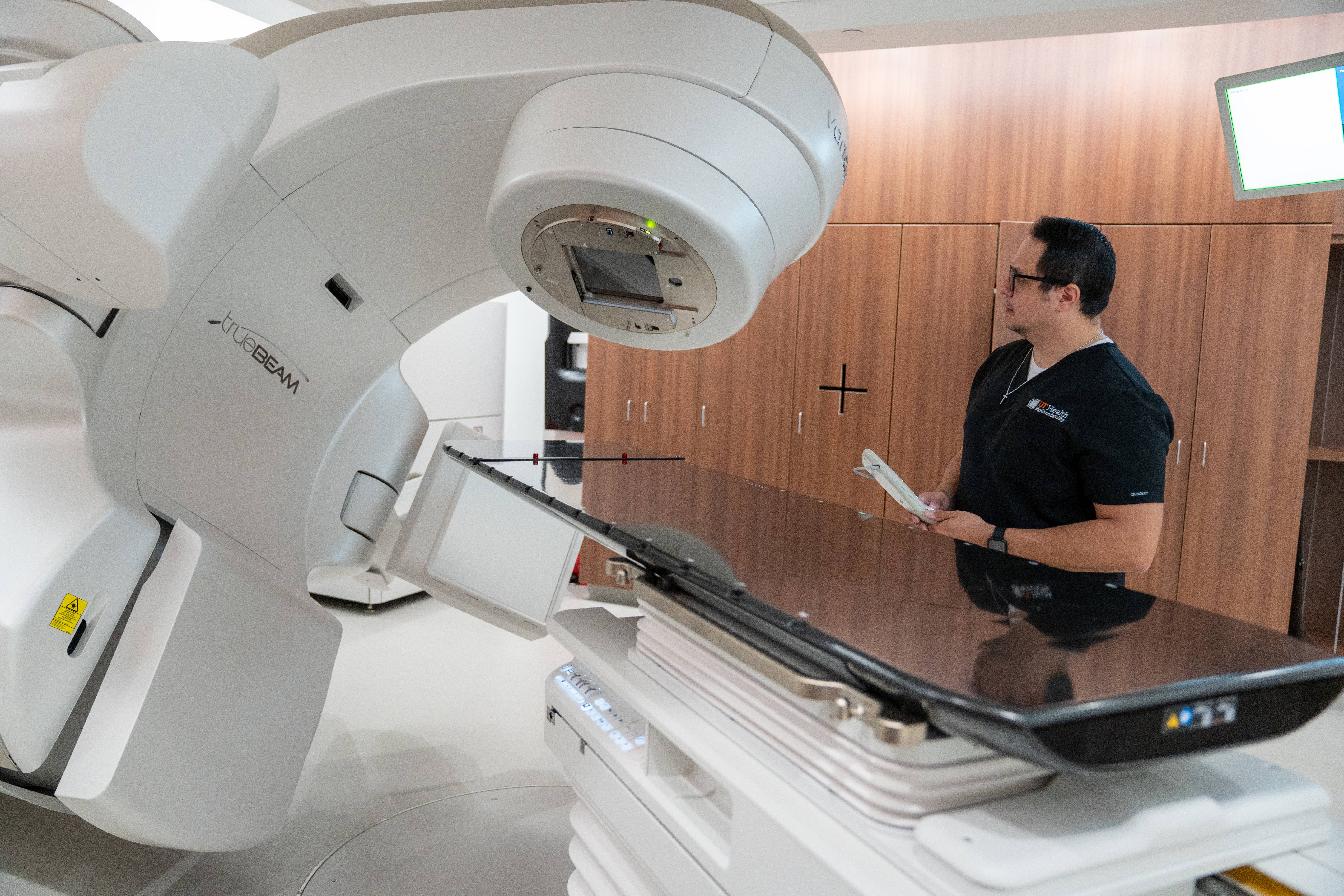
The UT Health RGV Cancer and Surgery Center recently installed a Varian TrueBeam linear accelerator, allowing physicians to deliver highly complex, precision-targeted radiation therapy.
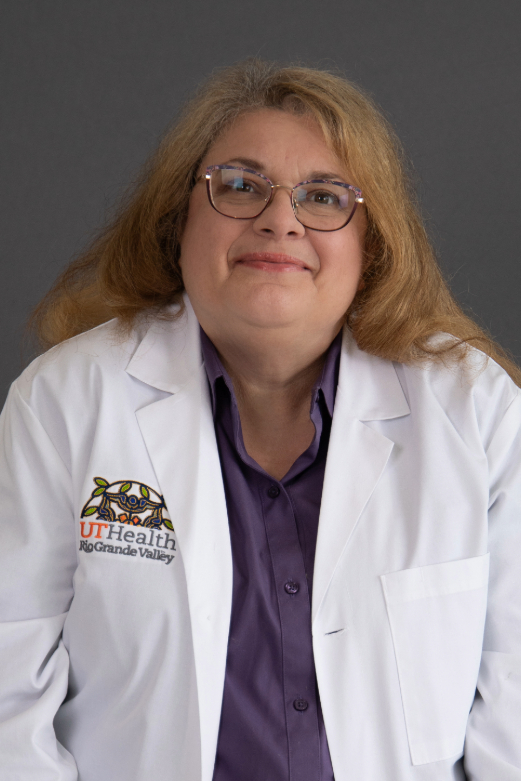
Dr. Theresa Pagliuca, radiation oncologist at UT Health RGV, calls the technology a major advancement for the region.
"This technology is capable of everything from very basic, straightforward treatment to highly complex, precision-targeted treatment," Pagliuca said. "For some, even complex treatment can be completed in about 10 minutes per session."
The system can treat tumors as small as three millimeters, about half the size of a pencil eraser, allowing physicians to safely target tissue near critical structures such as the optic nerves or spinal cord. Built-in imaging and integration with MRI and PET scans during planning help ensure accuracy.
"In practical terms, it means that patients can get very sophisticated treatment without having to travel," Pagliuca said.
Radiation therapy is part of more than half of all cancer treatments and is used for cancers including breast, prostate, lung and gastrointestinal.
"For most people, cancer is a chronic illness," Pagliuca said. "If treatment is only available hours away, plane trips, long car rides and hotel stay enter the mix. It makes a huge difference if people can be at home, with their family and friends."
COMPREHENSIVE AND COORDINATED CARE
Curry praised the care team for coordinating his schedule and making treatment seamless.
"They work together to give me the best schedule I could have ever gotten," he said.
For patients who feel nervous about radiation therapy, Pagliuca said that the process is far more controlled and manageable than many would expect.
"Popular culture paints 'radiation' as something very dangerous," she said. "But used in a very controlled, methodical process, radiation treatment is both safe and effective."
Treatments are carefully planned to target tumors while protecting healthy tissue and designed to be efficient and minimally disruptive.
Curry, now at the end of his treatment, hopes others in the Valley will feel confident seeking care close to home.
"I think it's wonderful that I don't have to commute," he said. "I live maybe 15 minutes from the center, and it's high-quality care, the same kind of care I got in San Antonio."
To learn more about cancer care services at UT Health RGV, visit UTHealthRGV.org.
ABOUT UTRGV
Celebrating its 10th anniversary during the 2025-26 academic year, The University of Texas Rio Grande Valley is on a mission to serve the Rio Grande Valley and beyond via an innovative and unique education dedicated to student access and success. As one of the country’s largest Hispanic-Serving Institutions and Seal of Excelencia-certified university, UTRGV has earned national recognition for its academic excellence, social mobility, and student success since opening in fall 2015. Ranked among the Best Colleges for Your Tuition (and Tax) Dollars in 2025 by Washington Monthly (No. 7 nationally; No. 1 in Texas), UTRGV continues to break enrollment records, launch new academic and athletics programs, and progress toward achieving R1 research status. Additionally, UTRGV holds the Carnegie Community Engagement Classification, awarded in 2020 and 2025, reflecting its commitment to strengthening community ties and addressing local challenges.
The only university in Texas with schools of Medicine and Podiatric Medicine, UTRGV’s regional footprint spans South Texas — with locations, teaching sites, and centers established in Edinburg, Brownsville, Rio Grande City, McAllen, Weslaco, Harlingen, Laredo, Port Isabel and South Padre Island.