By Heriberto Perez–Zuñiga
RIO GRANDE VALLEY, TEXAS – MARCH 3, 2026 – In many Rio Grande Valley families, conversations about health often happen after something feels wrong.
Stomach discomfort, changes in bowel habits, or occasional bleeding that people hope will go away on its own are symptoms many brush off or keep private.
However, physicians note that these signs may indicate a more serious condition.
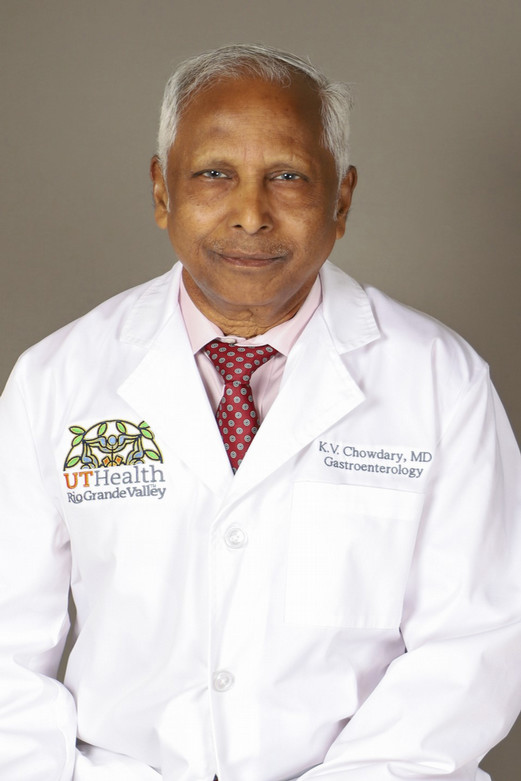
March is Colorectal Cancer Awareness Month, and Dr. Kondapavuluru Chowdary, a gastroenterologist at UT Health RGV with nearly four decades of clinical experience, is urging Valley residents not to wait for symptoms before getting screened.
"Colon cancer is one of the most common cancers in the United States and around the world," Chowdary said. "Approximately 140,000 people are diagnosed each year, and about 50,000 pass away from it. This is a very serious health issue."
He says what makes colorectal cancer especially dangerous is that it can develop quietly.
"Many patients feel completely normal," he said. "That's why screening is so important. We are looking for problems before they cause symptoms."
SCREENINGS SAVE LIVES
Colorectal cancer screening is recommended for adults even when they feel healthy and have no digestive concerns.
According to the Centers for Disease Control (CDC), routine colonoscopies should begin at age 45 for people at average risk and continue through age 75. If no concerns are found, screenings are typically repeated every 10 years.
For adults between 76 and 85, screening decisions depend on overall health and individual risk factors.
"The goal is prevention and early detection through screenings," Chowdary said, "because screenings save lives."
A colonoscopy allows physicians to examine the colon closely and remove precancerous polyps before they have a chance to develop into cancer.
But colonoscopies are not the only option.
Stool-based tests, including fecal immunochemical tests (FIT) and stool DNA tests, can also help detect early signs of cancer and are recommended for some patients.
Chowdary says the most important step is to talk with a healthcare provider about which screening option is right and to stay consistent with recommended screening schedules.
KNOW THE WARNING SIGNS
While screening is meant to catch problems early, Chowdary says it's still imperative to monitor changes in digestive health.
Warning signs can include:
- Abdominal pain or bloating,
- Changes in bowel habits such as constipation or diarrhea,
- Alternating constipation and diarrhea,
- Rectal bleeding.
"These symptoms don't always mean cancer," he said. "But they should never be ignored."
In the Rio Grande Valley, where many families juggle work, caregiving and busy schedules, preventive care can sometimes take a back seat.
But Chowdary says a single screening could make a life-changing difference.
"Screening colonoscopy is one of the most effective tools we have, " he said. "When colorectal cancer is found early, treatment is more successful and survival rates improve."
At UT Health RGV Cancer and Surgery Center, patients have access to specialized care, advanced endoscopic procedures and coordinated support close to home.
Chowdary says having these services in the Valley helps remove barriers that sometimes delay screening and treatment.
"We provide endoscopic and colonoscopy studies, and we are here to see patients for any of their concerns," Chowdary said.
To learn more or schedule a screening, visit UTHealthRGV.org.
ABOUT UTRGV
Celebrating its 10th anniversary during the 2025-26 academic year, The University of Texas Rio Grande Valley is on a mission to serve the Rio Grande Valley and beyond via an innovative and unique education dedicated to student access and success. As one of the country’s largest Hispanic-Serving Institutions and Seal of Excelencia-certified university, UTRGV has earned national recognition for its academic excellence, social mobility, and student success since opening in fall 2015. Ranked among the Best Colleges for Your Tuition (and Tax) Dollars in 2025 by Washington Monthly (No. 7 nationally; No. 1 in Texas), UTRGV continues to break enrollment records, launch new academic and athletics programs, and progress toward achieving R1 research status. Additionally, UTRGV holds the Carnegie Community Engagement Classification, awarded in 2020 and 2025, reflecting its commitment to strengthening community ties and addressing local challenges.
The only university in Texas with schools of Medicine and Podiatric Medicine, UTRGV’s regional footprint spans South Texas — with locations, teaching sites, and centers established in Edinburg, Brownsville, Rio Grande City, McAllen, Weslaco, Harlingen, Laredo, Port Isabel and South Padre Island.