
skip to main content

Univerisy of Texas Rio Grande Valley logo

UMC Blog 3.0

banner 1.png
UMC Blog 3.0 » 2018

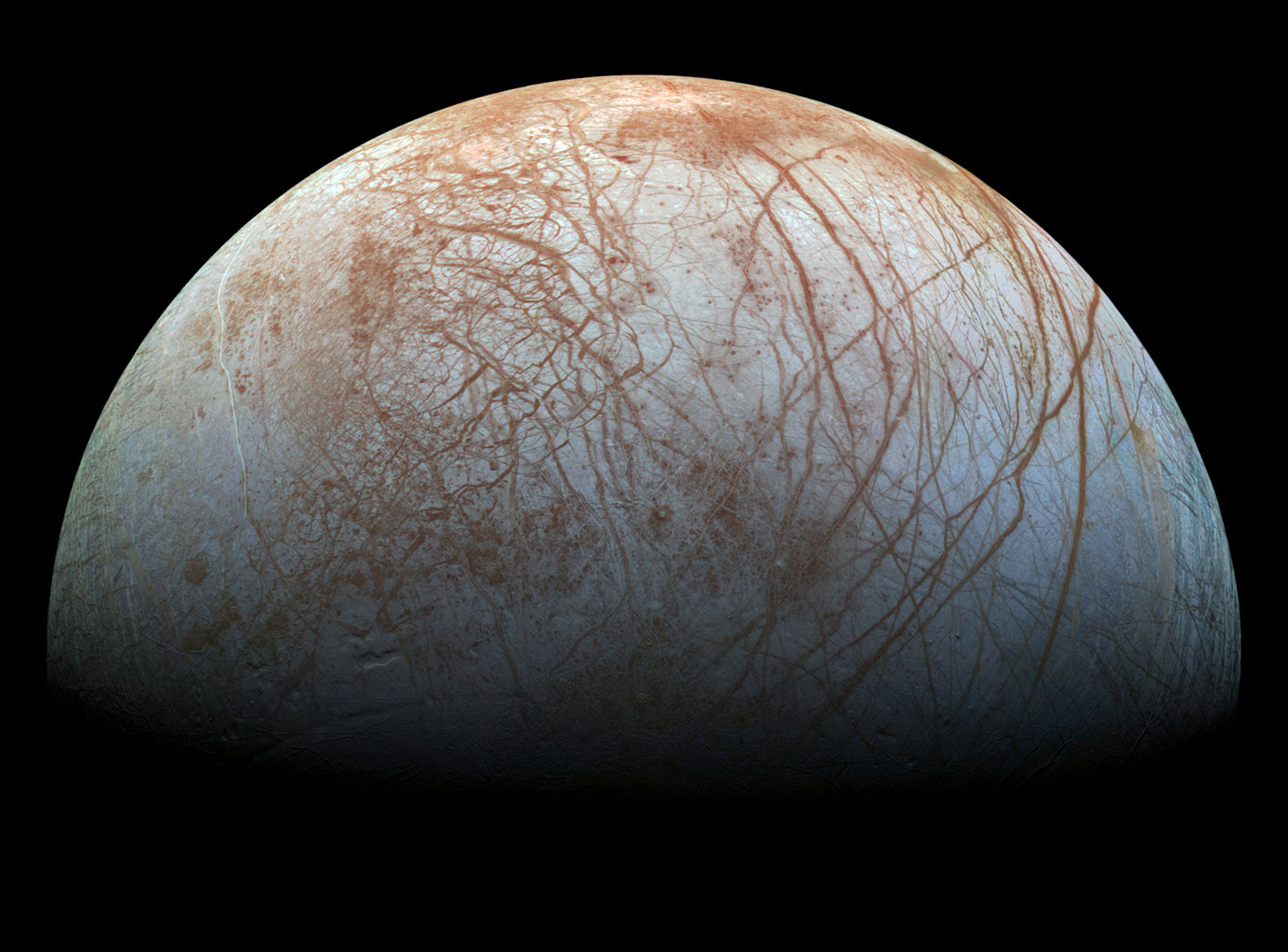
Can ice on Europa and Enceladus help us find extraterrestrial life?

Posted: Sunday, October 14, 2018, 12:00 AM
Can ice on Europa and Enceladus help us find extraterrestrial life? post content graphic.

In the late 1990s, photographs from the Galileo spacecraft showed an ice-covered surface on Europa, one of the Galilean moons orbiting Jupiter. In early 2018, studies of the data reported that “giant jets of water are spouting more than 100 miles off that moon’s surface.”Is Europa’s icy shell covering a liquid ocean teaming with life? Or might we find life in the water beneath the ice on Saturn’s moon Enceladus?Professor of Space Physics...
Read the full post

By: Rion Nakaya

Category: Announcements

Florida’s mangrove swamp ecosystem illustrated

Posted: Sunday, October 14, 2018, 12:00 AM

Florida’s mangrove swamp ecosystem illustrated post content graphic.

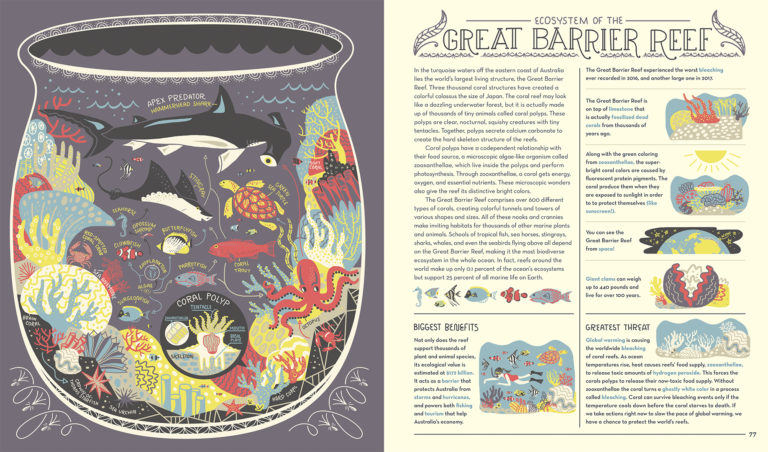
Go on an illustrated adventure through a Florida mangrove swamp. New York Times best-selling author Rachel Ignotofsky has teamed up with animator Leo Thom and The Mangrove Action Project for this quick animated introduction: Ecosystem of the (Florida) Mangrove Swamp.Highly recommended in The TKSST Gift Guide, Ignotofsky’s picture book The Wondrous Workings of Planet Earth depicts the world’s diverse ecosystems—Rainforest, Desert, Arctic Sea, Red Wood Forest,...

Read the full post

By: Rion Nakaya

Category: Announcements

Leptocephalus, a transparent eel larva in the wild

Posted: Sunday, October 7, 2018, 12:00 AM

Leptocephalus, a transparent eel larva in the wild post content graphic.

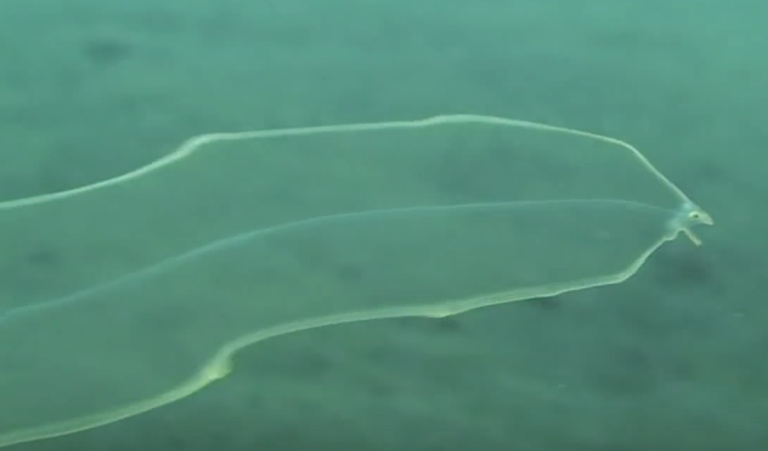
A pale liquid in the ocean currents? Plastic pollution? An eel’s ghost? An eel larva! This undulating creature is a large Leptocephalus, a not-often-seen eel in its larval stage. It was filmed by Barry Haythorne and Rob Rutgers while they were scuba diving in Bali.The six-minutes of footage provides a look at the swimming eel larva’s tiny head and face and its long transparent body. More from Scientific American:You can see through them because their bodies are radically...

Read the full post

By: Rion Nakaya

Category: Announcements

Categories


© 2022 All rights reserved. Powered by UTRGV - IT Enterprise Systems.