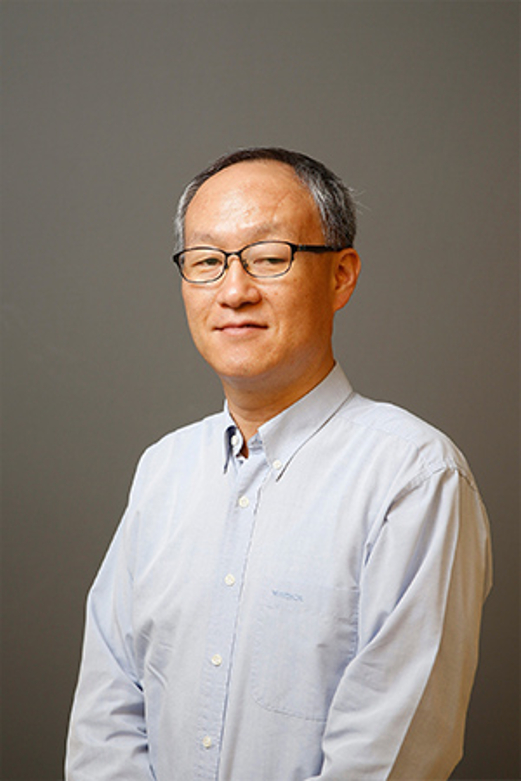
Dae Joon Kim is an Associate Professor in the Department of Medicine and Oncology at the University of Texas Rio Grande Valley School of Medicine. He obtained his PhD in molecular toxicology from Pennsylvania State University and completed a post-doctorate in molecular carcinogenesis at the University of Texas MD Anderson Cancer Center.
Dr. Kim has spent over 20 years studying the cell signaling pathways involved in the development of skin cancer and the effects of skin cancer-causing agents on these pathways. Dr. Kim’s laboratory is interested in defining the functional role of protein tyrosine phosphatases in carcinogenesis. His early work focused on Stat3, a well-known cancer-associated protein, showing that Stat3 plays a critical role in the development of skin tumors produced from exposure to ultraviolet B radiation or chemical toxins. More recently, Dr. Kim has demonstrated that T cell protein tyrosine phosphatase (TC-PTP) is involved in the inactivation of the Stat3 protein in skin cells following treatment with UVB radiation. Current research has linked a variety of protein tyrosine phosphatases, or PTPs, to the development and progression of tumors, therefore PTPs such as TC-PTP are prospective targets for the creation of novel anti-cancer therapies.
Dr. Kim’s laboratory is also interested in defining the molecular mechanism of chemoresistance in cancers including squamous cell carcinoma and osteosarcoma and its therapeutic application. Chemoresistance is a major limitation that diminishes the efficiency of chemotherapeutic drugs in clinical use. It can arise in various ways, such as increased ability of DNA damage repair and induction of specific genes and signaling pathways that promote cancer cell survival. Dr. Kim’s research interest is to identify the specific molecular targets that contribute to drug resistance and to improve the overall efficacy of chemotherapy.